Taking stock of the first tumultuous year of Trump 2.0
The fairest way to take stock of this first year is, not so much by weight and bulk, but by reviewing the degree to which he has delivered on what were his star promises during the 2024 campaign.
Published
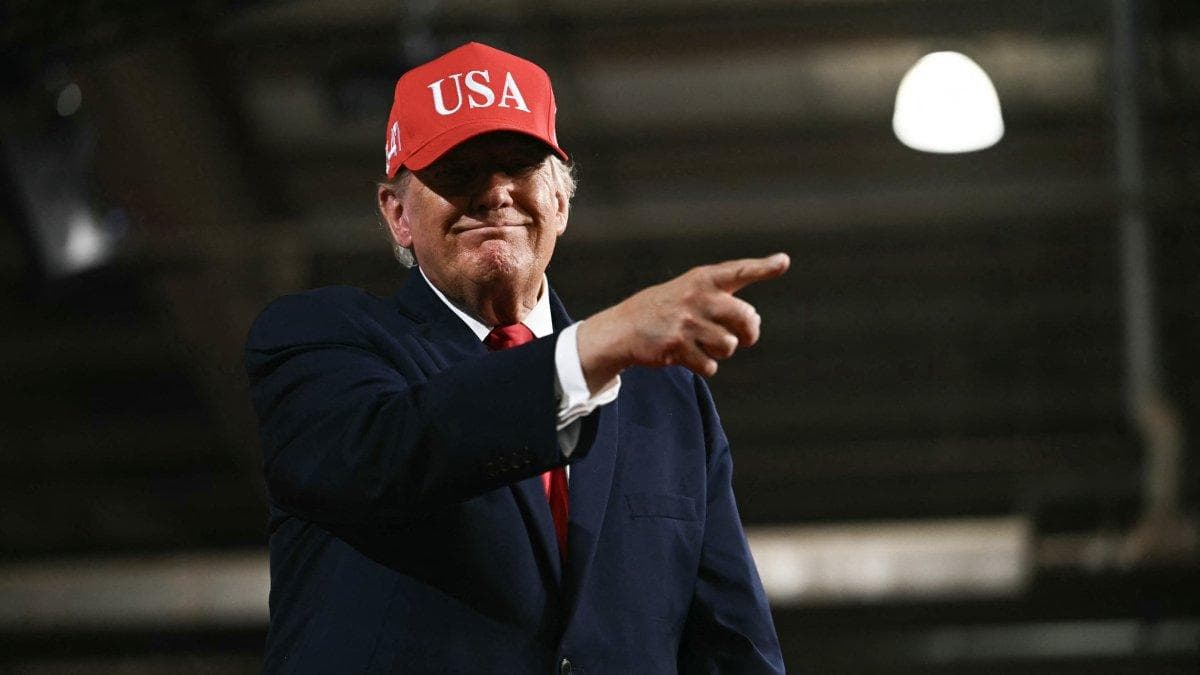
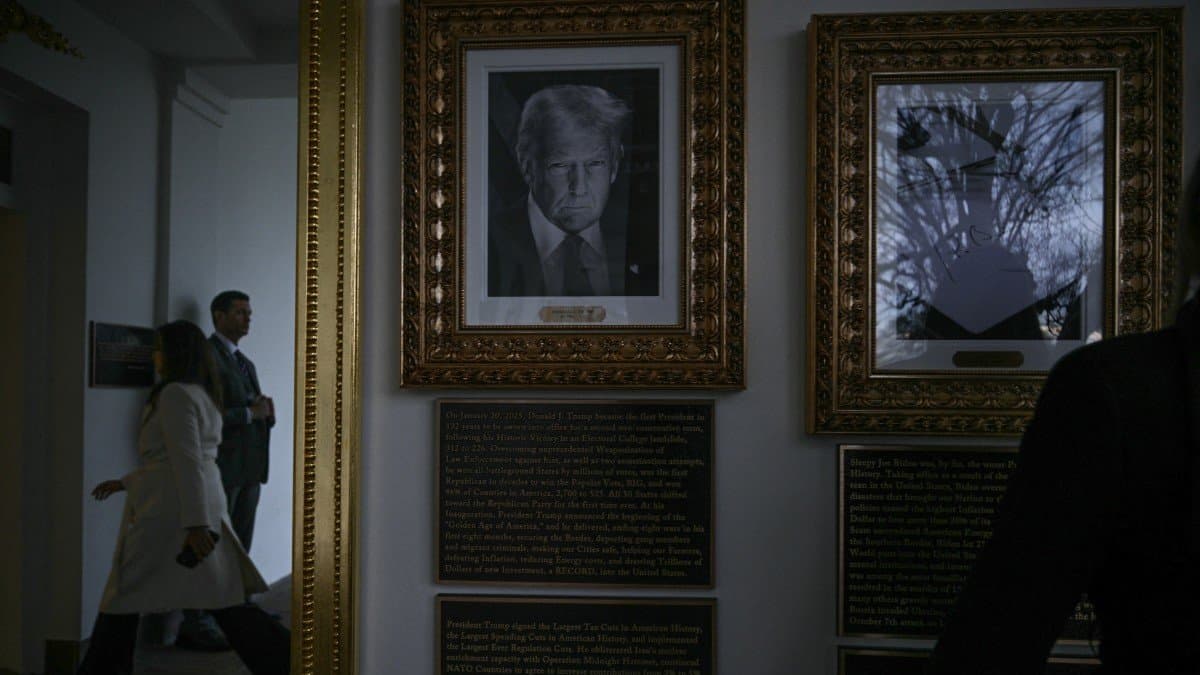
It seems like a lot longer ago, but it was on Jan. 20, 2025 when Donald Trump was inaugurated his second term as president of the United States .We are like those memes of Captain Haddock and Tintin: "What a presidency!" "Captain, it's only been a year!" It has been an eventful year in which Trump has maintained a relentless pace. Whether you like him or loathe him, with him, there is no room for boredom. His own personality and manner, coupled with the fact that he knows he can't run for re-election, explain why Trump is stepping on the gas while we poor mortals can barely keep up with.
The Trump whirlwind began with those endless signings of executive orders just hours after taking office. In fact, President Donald Trump has issued more executive orders in this the first year of his second term than he did during his entire first term. But perhaps the fairest way to take stock of this first year is, not so much by weight and bulk, but by reviewing the degree of fulfillment of what were his star promises during the 2024 campaign.
Starting with border control, turned into a sieve during the years of the Biden Administration and which Trump promised to recover. The issue is a priority for his voters, as it involves not only questions of sovereignty but also of security. In this area, the success has been remarkable. The number of people illegally crossing the Mexican border has been reduced by 99% compared to the previous year, and the United States has seen a negative net migration for the first time in 50 years. Deportations of people who had entered the country illegally have continued at a steady pace. However, here we find one of the points that the left is using to attack Trump: Immigration and Customs Enforcement (ICE) operations have led to situations of violence, such as the recent action of these agents in Minneapolis which resulted in the death of a woman.
The economy also played a major role in the past presidential election. The inflation that President Biden could not tame was a liability for Kamala Harris. Trump promised to control it while announcing an economic recovery that Americans were going to feel in their wallets. The truth is that the U.S. economy now invites optimism. It is estimated to have grown by 4.3% in the fourth quarter of 2025 and the imposition of new tariffs<span> </span>does not appear to have significantly affected growth or caused the economic cataclysm predicted by some critics. Trump generated considerable uncertainty with his maximalist announcements which were often moderated during negotiations. Ultimately the inflationary impact has not, at least for now, been what many feared. In fact, the trade deficit has narrowed dramatically, while inflation has stabilized at around 2.7%, still lower than its peak during the Biden Administration.. In fact, the trade deficit has narrowed dramatically while the inflation, which has stabilized at around 2.7%, is still lower than during the Biden administration. That said, several analysts note that job creation is not keeping pace with the growth figures. They also warn that the artificial intelligence boom, a significant driver of this growth, could be overheating. The results of the midterm elections in November 2026, key for the Republicans to continue to control both houses and allow great freedom of action to Trump, will depend a lot on the performance of the economy and whether that improvement on paper is felt enough by voters in their wallets.
<cite class="c-detail__cite__title">Another of Trump's banners was the fight against wokeness and cancel culture, and here he has made great strides. At</cite>
Banning biological men from participating in women's sports competitions ensuring that locker rooms, bathrooms and other private facilities are separated according to biological sex and not self-asserted gender identity, and launching a series of measures to prevent sex-change surgeries on minors. Also creating an anti-Christian bias task force charged with reviewing and modifying federal policies in all federal departments and agencies that threaten religious freedom (such as President Biden's law barring institutions that refuse to participate in sex reassignments from participating in federal contracts). Trump also signed an executive order that defines "female" as an "adult human female" and rejects definitions based on "self-affirmed gender identity" for purposes of any relationship with the administration, reversing what was established by Biden.
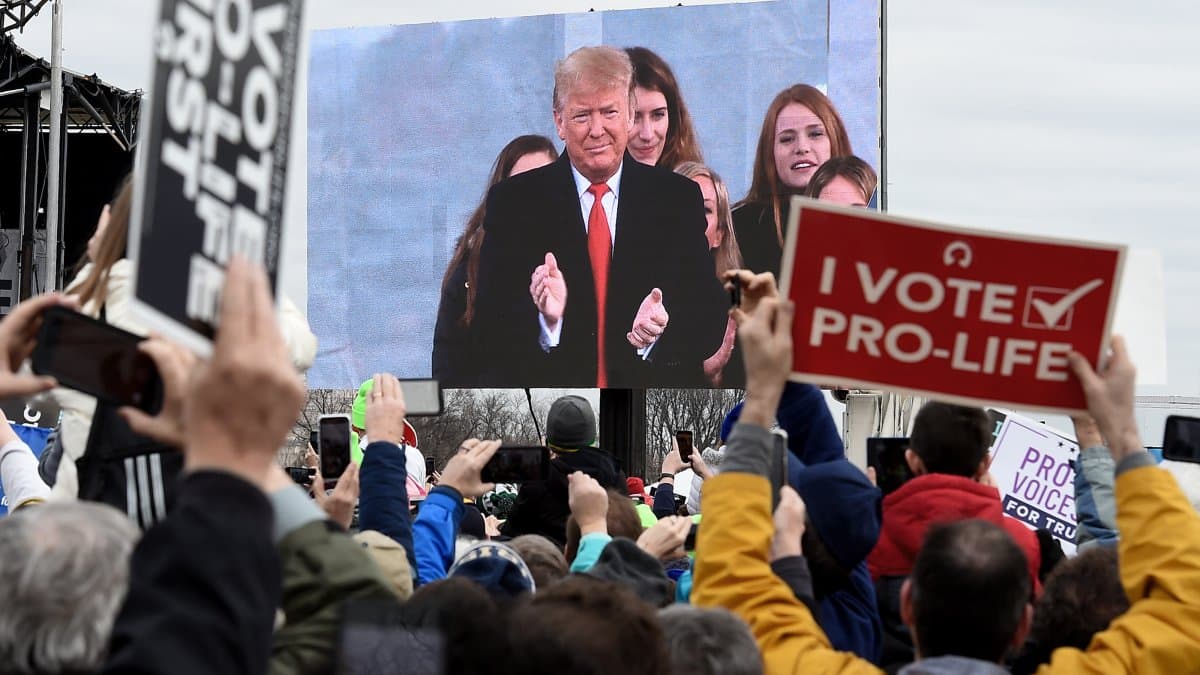
If in the fight against wokeness Trump has given a firm hand, his stance on the pro-life agenda has been less consistent. The alliance between Trump and pro-lifers, which already cooled during the presidential campaign, has continued to erode during his first year in office. The Trump Administration's first steps nonetheless left pro-lifers satisfied. It reinstated the Mexico City Policy, which bans funding for foreign organizations that promote abortion, and Trump backed the Hyde Amendment, which prohibits direct federal funding of abortion. The president also announced plans to freeze millions of taxpayer dollars earmarked for Planned Parenthood, the abortion multinational. He also pardoned 23 pro-life activists convicted of violating the Freedom of Access to Clinic Entrances Act. However, what began as a promising partnership has soured. A key point of contention was Trump’s executive order directing the creation of a plan to boost access to in vitro fertilization (IVF), a practice some pro-life groups oppose. The other big disappointment has been mifepristone, a mail-order abortion drug: pro-lifers had hoped that Trump would restrict access to this abortion drug, responsible for about two-thirds of the abortions that take place in the United States, but nothing of the sort has happened. Thus, the reality is that it is easy to bypass the abortion restrictions that certain states imposed following the Dobbs ruling. Trump's recent statements that there is a need for flexibility in the application of the Hyde amendment and the news that the Department of Health has returned funding to Planned Parenthood since December (and consequently the ACLU has withdrawn its lawsuits against the administration) do not bode well for an early reconciliation between the pro-life movement and a President Trump aware that, in the face of the extremism of the Democrats, he does not have to try very hard to please his pro-life base.
The fight against the entrapment within the administration, the so-called "deep state," and in a web of organizations that do not answer to the voters and have their own agenda was also one of Trump's promises. This issue, initially the responsibility of Elon Musk and his DOGE (Department of Government Efficiency) soon derailed due to dissensions between Musk and Trump, which now appear to have been reconciled. Some steps have been taken in the reform of the administration, but in this area much less progress has been made than in others. What has had a strong impact was the freezing of federal funds intended to finance a plethora of international agencies and NGOs. USAID had become the spearhead of ideological colonialism in developing countries, linking economic aid to population control, gender ideology and leftist political agendas. In some cases there may have been negative effects, paying the just for the sinners, but it is undeniable that the immense networks that promoted this ideological colonialism throughout the planet have been very weakened by this measure (although the E.U. is always there to come to the rescue).
International policy, however, is the full responsibility of the U.S. president, so an assessment of his first year is largely determined by his performance in this area. Here, Trump scores well in the view of his supporters, though significant questions remain about the ultimate outcomes. If one idea is clear to this administration, it is that the United States’ great strategic rival is China. Consequently, it views allocating significant effort to other fronts as a distraction from this priority objective, with one notable exception: the Western Hemisphere. This worldview is reflected in the National Security Strategy published in late November, a document essential for understanding the administration’s international steps.
This is what is reflected in the National Security Strategy published at the end of November, a text that must be read carefully to understand the steps Trump is taking on the international stage. The two hot-button issues he had to face were the wars in Ukraine and Gaza. The former he promised to resolve in a few weeks and it is still active. Trump's mistake was probably to rely too much on his negotiating skills without weighing well the interests of Putin, who does not seem to have any interest in ending the conflict. If what seemed like a piece of cake has turned out to be a failure today, what seemed impossible became a reality: the truce between Israel and Hamas promoted by Trump is a reality, as precarious as you want and with numerous violations, but objectively better than open war.
With the start of 2026 we have witnessed an acceleration of Trump's gambles. The extraction of Maduro and the imposition of a transition plan in Venezuela represent an important step toward ending a regime that has sent more than 8 million Venezuelans into exile. Aware that the United States cannot invade the country without enormous costs, it has bet on keeping in power representatives of the regime willing to carry out the desired transition under U.S. tutelage. A realistic gamble but one that could go awry at any moment. Meanwhile, the Castro regime in Cuba seems to be next on the list. The other two recently opened fronts are much more complex. On the one hand the insistence that the United States obtain Greenland, a claim that is straining the U.S. relationship with the European Union and even calls into question the existence of NATO itself, on the other the protests in Iran and the regime's ruthless crackdown. Trump has promised help to those who want to bring down the regime, but his real options, ruled out a suicidal ground intervention, are limited. There are therefore many open fronts and they can evolve positively or negatively. What seems clear is that during the second year of Trump 2.0 we will not be bored either.
🛠 Do you think there is an error in this article?
Recommendations
LATEST