The hunt for the Bella 1: The end of ghost fleet impunity
The epic pursuit of the tanker shows that impunity is over. For the first time in years, there is a real and tangible cost to operating in the phantom fleet. Now this is a real change in the law on the high seas.
Published
For years, the ghost fleets of Russia, Iran and Venezuela sailed the world's oceans with absolute impunity, moving millions of barrels of sanctioned crude that fed the coffers of regimes under international sanctions. These old vessels, with changing names and false flags, systematically circumvented economic restrictions while generating billions in illicit revenues. Now, the epic pursuit of the tanker Bella 1 across the North Atlantic marks a turning point: the Trump Administration has decided that the era of tolerance is over.
The Bella 1 odyssey
The story of the Bella 1 is the chronicle of an unprecedented sea chase. It all began in early September, when the tanker loaded crude oil at Kharg Island, Iran. Following the operations manual of a ghost fleet, the vessel immediately turned off its tracking system in the Strait of Hormuz, disappearing from the map until it reappeared at the end of October, when it was already sailing without oil on board through the Red Sea.
The tanker passed through the Suez Canal and the Strait of Gibraltar, heading towards Venezuela while continuing to conceal its location. But in mid-December, when the U.S. Coast Guard attempted to intercept it in international waters of the Caribbean Sea, the Bella 1 made a reckless decision: it changed course and fled northward into the vast Atlantic.
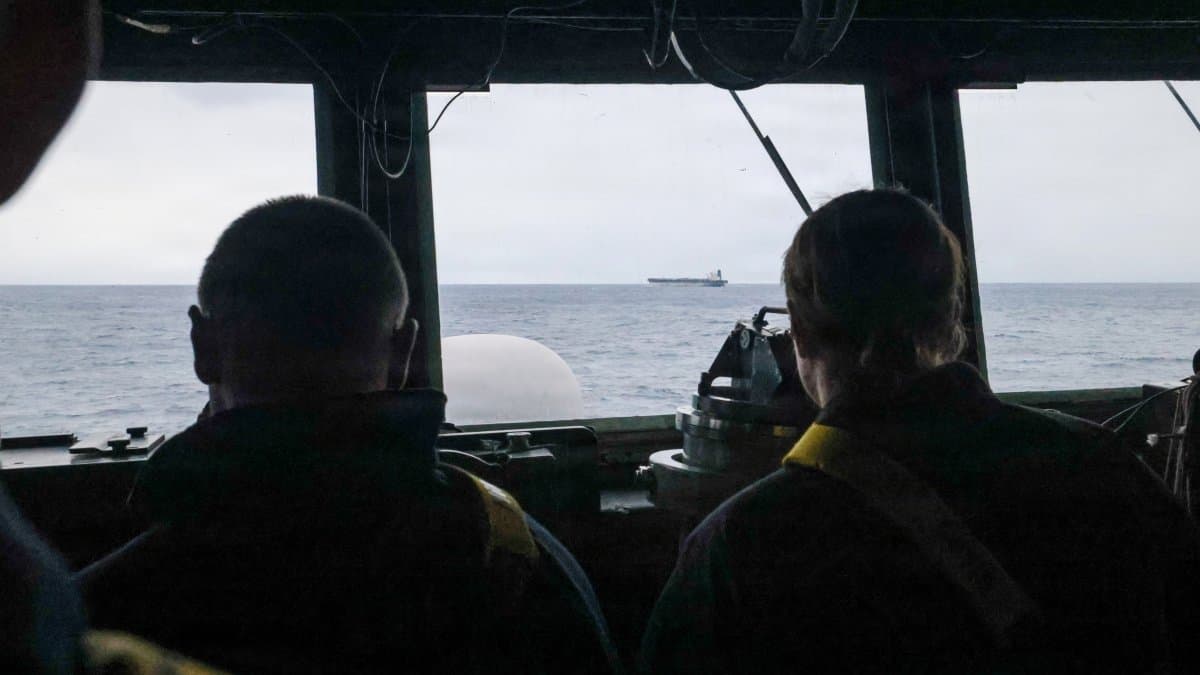
Thus began an extraordinary chase. The Coast Guard cutter USCGC Munro followed the tanker for nearly two weeks across the ocean. The crew of the Bella 1, in desperation, then employed a tactic that is commonplace: painting another flag on the hull. At full speed, they painted a Russian flag on the vessels hull, and changed its name to "Marinera."
<cite class="c-detail__cite__title">"Much of the sanctioned crude oil has ended up in China and India, providing Russia, Iran and Venezuela with a vital source of revenue despite the sanctions."</cite>
The request became known in Moscow. In the New Year, Russia sent a formal diplomatic request to Washington demanding it halt pursuit of the tanker, which by then had been reregistered under a new name in Russia's official vessel registry. Coincidentally, 17 tankers in the phantom fleet had claimed Russian nationality that same month, in the face of U.S. actions against Venezuela. The Trump Administration rejected the diplomatic warning, declaring that the newly painted flag was illegitimate and that the vessel was "stateless." The Munro remained in pursuit.
As the tanker approached the North Atlantic, transiting the strategic passage between Scotland and Iceland, U.S. military aircraft began positioning themselves at British air bases. Special Operations forces, including Navy SEALs and an Army helicopter unit, prepared for the mission. Finally, nearly 200 nautical miles south of Iceland, the team rappelled down from helicopters and boarded the tanker, taking control of it. Thus ended the spectacular chase that had begun in Caribbean waters before Christmas.
The anatomy of the phantom fleet: A floating criminal empire
To understand the magnitude of what Bella 1 represents, it is necessary to understand what exactly the phantom fleet is and how it operates to evade sanctions that has allowed countries like Russia, Iran and Venezuela to circumvent international restrictions for years.
According to specialized reports, there are more than 1,000 vessels carrying sanctioned oil and its derivatives. These vessels employ a variety of concealment techniques: they falsify GPS coordinates, duplicate transmissions to create non-existent vessels, constantly change vessel names and flags, and perform risky maneuvers such as transferring crude oil from vessel to vessel and thus concealing the origin of the oil.
The Bella 1 was a veteran operator of this system. Sanctioned in 2024 after the U.S. Treasury Department accused it of being part of a network of vessels engaged in the "illicit transport of oil and other commodities," the tanker had first been observed transporting sanctioned crude as early as 2020. Its last visit to Venezuela had been in early 2023, where it loaded approximately two million barrels of crude bound for Malaysia under an alias.
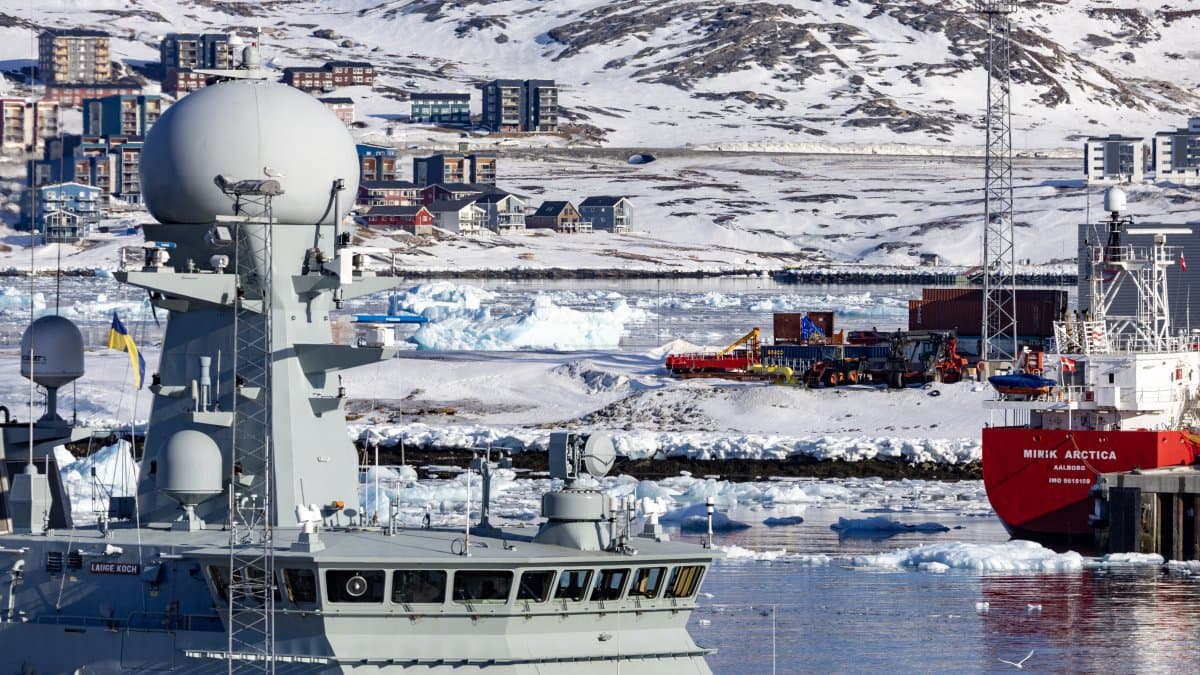
The ghost fleet was originally an Iranian invention many years ago, but its massive expansion began when Russia invaded Ukraine. In the face of sanctions imposed on Moscow, the response was to expand the fleet which found more than willing sellers. The international team behind the "The Secrets of the Shadow Fleet" investigation revealed that Western shipowners made more than $6 billion from the sale of tankers to "Russia's shadow fleet."
It is believed that more than a third of Russia's shadow fleet is composed of tankers that come from the same nations that have sanctioned Russia for its aggression against Ukraine. These old tankers were sold at exceptionally high prices, allowing their former owners to pocket millions for vessels that would otherwise have been scrapped. The cynicism goes even further: investigations claim that several ghost fleet crew manning agencies operate in the European Union, despite the fact that the E.U. has imposed sanctions on such a fleet.
Criminal success
For years, this phantom fleet operated with almost total impunity, generating large revenues for sanctioned regimes. Much of the sanctioned crude has ended up in China and India, providing countries like Russia, Iran and Venezuela with a vital source of revenue despite what are supposed to be crippling economic sanctions. These buying countries take advantage of discounts on sanctioned crude, creating a perverse market.
Hitherto, the Western response had been tepid. The European Union and the United States blacklisted these vessels, threatening any port that allowed them to dock or any company that supplied them with fuel with expulsion from the financial system. These measures were systematically circumvented. As a result, shipping to countries like Russia and Venezuela not only continued, but grew exponentially. Now, the British government has prepared the legal basis for allowing its military to board and detain vessels from the shadow fleets. The U.K. has already imposed sanctions on hundreds of alleged ghost vessels.
Trump takes matters into his own hands: Total blockade
Everything changed when the Trump Administration announced last month a "total and complete blockade" against Venezuela-linked oil tankers. For the first time, the United States moved from threats and blacklists to direct action: boarding and seizing the vessels.
Early last December, while the Bella 1 was crossing the Atlantic bound for the Caribbean, the United States seized for the first time an oil tanker off the coast of Venezuela: the Skipper, which had been sanctioned in 2022. The Skipper, carrying Venezuelan crude oil, had left a Venezuelan oil terminal and was headed for Cuba and then Asia when it was intercepted in international waters.
Four days later, the United States seized a second vessel off the coast of Venezuela: the Centuries, a Panamanian-flagged tanker leaving Venezuela bound for Asia. So far, the Trump Administration has seized five tankers in the last month that left the Venezuelan coast, but there are reports that the U.S. military is pursuing more than a dozen sanctioned vessels.
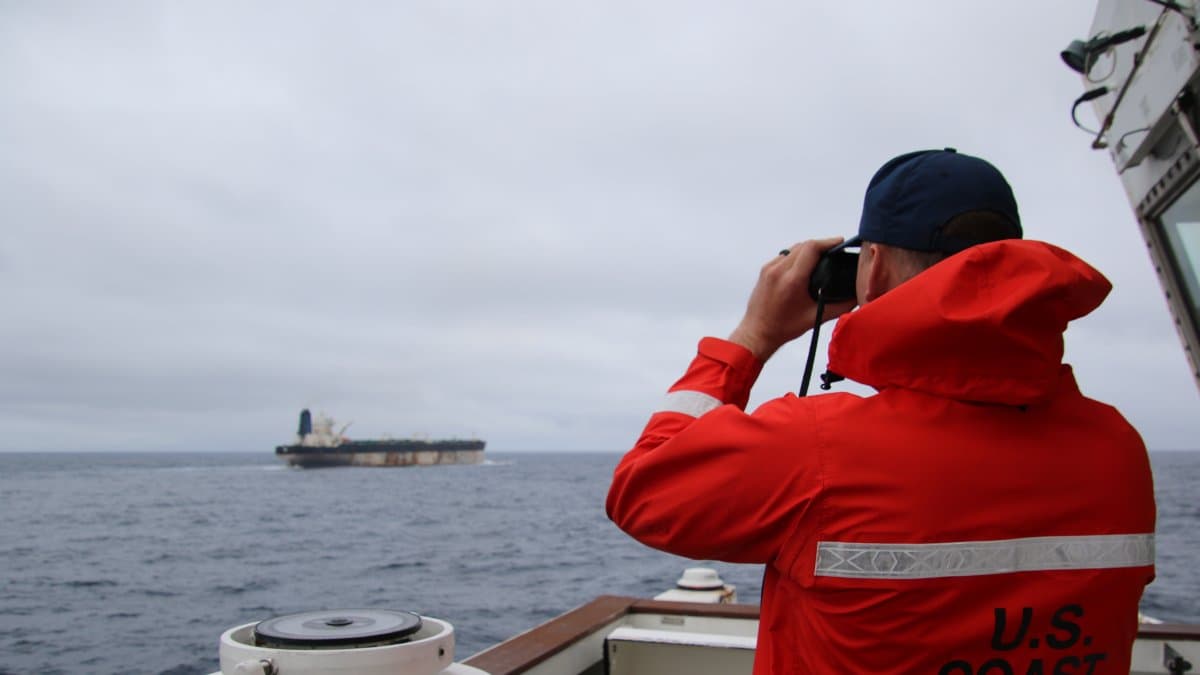
The pursuit of the Bella 1 underscores the extent to which Trump is determined to enforce sanctions that have long been in place but had been systematically ignored until now. Trump's message is implicit in the epic Bella 1 prosecution, which demonstrates that impunity is over. For the first time in years, there is a real and tangible cost to operating in the phantom fleet. This is indeed a real change in the law on the high seas.
However, the victory is partial. The U.S. is boarding and seizing vessels, which will serve as a warning to those heading to or leaving Venezuela. The rest of the ghost fleet will continue to operate in other parts of the world, because not all countries have the same will. Without determined action like that of the U.S., on the part of the rest of the countries imposing sanctions, the ghost fleet will continue to thrive.
🛠 Do you think there is an error in this article?
Recommendations




LATEST