






US recorded negative net migration in 2025 for the first time in 50 years
The authors of the Brookings Institution study warn that, despite regulatory uncertainty, the negative net migration scenario could be repeated in 2026 as well.


The United States closed 2025 with a negative migration balance for the first time in at least 50 years, a remarkable turnaround driven mainly by a sharp drop in the number of migrants entering the country and by a tightening of immigration policy under President Donald Trump.
According to a report released this week by the Brookings Institution, the number of people leaving the U.S. exceeded the number entering, resulting in a negative migration balance that varies depending on the scenario analyzed, ranging from a minimum net loss of 10,000 people to a maximum of close to 295,000.
The study's authors warn that, despite regulatory uncertainty, the negative net migration scenario could also occur in 2026.


Although the public debate has focused on the deportations, the report stresses that the determining factor was not so much the increase in expulsions but the plunge in entries to the United States. The combination of increased controls, administrative restrictions and the suspension of numerous humanitarian programs significantly reduced migratory flows.
Among the measures that affected the result were the suspension of most refugee resettlement programs and the reduction in the issuance of temporary visas. Added to this was a stricter control policy that led to both formal deportations and voluntary departures.
Politics
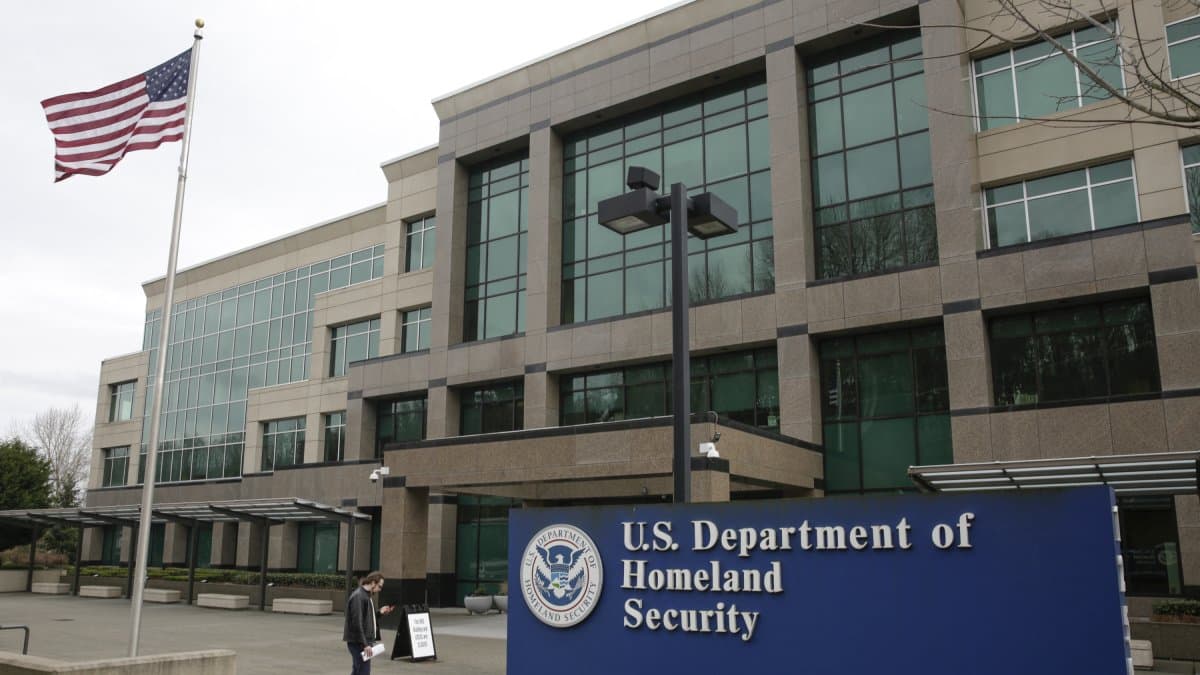
DHS replaces 'random lottery' for H-1B visa recipients with priority based on income, skill
Just The News/Greg Piper

According to the report, between 310,000 and 315,000 removals were recorded in 2025, a figure only slightly higher than in 2024 and noticeably lower than the numbers released by the Department of Homeland Security. Unlike the previous year, most of the removals originated from operations initiated by the Border Patrol within the country, rather than exclusively by Immigration and Customs Enforcement (ICE).
The study also explained that there will be potential economic consequences. The net reduction in migrants, according to the authors, could directly affect sectors that rely heavily on immigrant labor and migrant communities as a consumption base.
In that context, Brookings warns of a possible slowdown in employment growth, gross domestic product and consumer spending.
According to its estimates, the drop in consumption ranges between $60 billion and $110 billion between 2025 and 2026, which could amplify the macroeconomic effects of the new migration situation.
🛠 Do you think there is an error in this article?
Recommendations








LATEST