The 25% solution: How Trump’s economic siege could finalize the Iranian revolution
This policy goes beyond the original “maximum pressure” campaign and functions instead as an economic siege aimed directly at the regime’s ability to finance repression.
Published
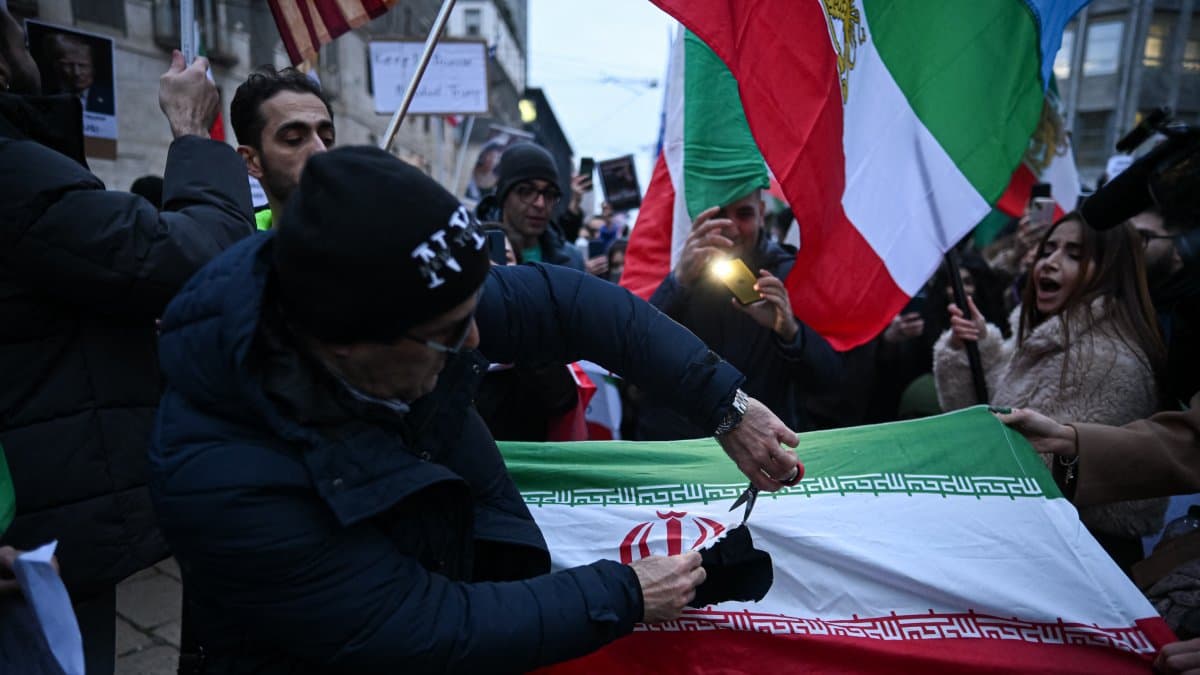
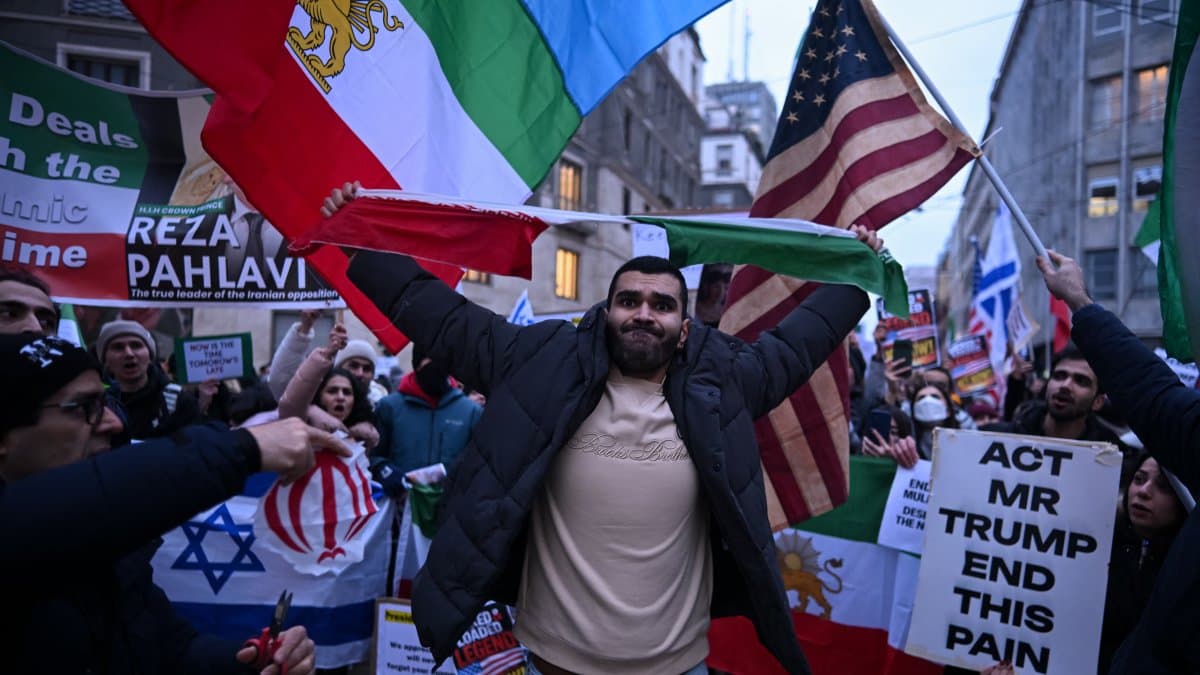
Iran is in the midst of its 19th nationwide uprising, and this time the ground is shifting beneath the Islamic Republic in ways unseen since 1979. Unlike the middle-class reform protests of 2009, this revolt is driven by the poor and the working classes—the very social base the regime once claimed as its moral foundation. Across more than 120 cities, including regions long viewed as regime strongholds, chants calling for the burial of the mullahs have replaced demands for reform. What is unfolding is not a movement for accommodation but an explicitly anti-regime revolution.
The fuel for this uprising is economic collapse layered atop state incompetence. Inflation has hovered between 30% and 40% for three consecutive years, while unemployment has reached roughly 25%. In the past month alone, bread prices surged by 15%, a devastating blow to families already living on the edge. At the same time, the clerical elite has overseen an estimated $80 billion in capital flight since 2018, while chronic water shortages worsen as nearly all of Iran’s limited water supply is diverted into inefficient, state-run agricultural schemes.
The Islamic Republic’s claim to represent the dispossessed has collapsed under the weight of its own corruption.
It is in this context that U.S. President Donald Trump introduced what may prove to be the decisive external pressure: a 25% tariff on any country that continues to conduct business with Iran. This policy goes beyond the original “maximum pressure” campaign and functions instead as an economic siege aimed directly at the regime’s ability to finance repression.
Between 2023 and 2024, Tehran reported oil revenues of up to $67 billion, with roughly 80% of its exports flowing to China. By raising the cost of engagement with Iran to prohibitive levels, the tariff threatens to choke off the financial lifeline of the Islamic Revolutionary Guard Corps, which has evolved into a sprawling economic empire underpinning the theocracy’s survival.
The regime’s response has been swift and brutal. This month, authorities have imposed an almost complete internet and telecommunications blackout to conceal the scale of violence. Information emerging from underground medical networks and diaspora media outlets suggests that thousands—and possibly tens of thousands—of protesters may have been killed in a matter of weeks. Security forces have reportedly treated civilian demonstrations as combat zones, even abducting wounded protesters from hospitals to prevent them from becoming rallying symbols. The Islamic Republic is attempting to crush the uprising in silence.
Yet the regime now faces a strategic paradox it has never confronted before. On Jan. 2, Trump issued an unambiguous warning that the United States would intervene if Iran escalated to mass slaughter. Within hours, U.S. special forces arrested Venezuela’s president, Nicolás Maduro, eliminating a long-assumed escape route for sanctioned autocrats. The message was unmistakable: There will be no safe haven for the Iranian elite. Any attempt to preserve the regime through extreme violence risks triggering direct American action at a moment when strikes on its nuclear infrastructure last summer have already degraded Iran’s defenses.
The IRGC is the central obstacle to regime change, not because of ideological loyalty but due to its monopoly on organized violence. That monopoly, however, is expensive. Sustained repression requires cash, and Trump’s economic siege directly targets the revenue streams that make brutality possible. With sanctions tightening, tariffs escalating and the threat of military action looming, the regime is entering a phase of terminal friction.
Meanwhile, the Iranian opposition is approaching a defining moment. Crown Prince Reza Pahlavi’s appeals to the military to abandon the regime and side with the people are resonating precisely because the international environment has shifted. While Washington has avoided formally endorsing a single leader, the convergence of internal revolt and external pressure has clarified the alternative to theocracy in a way not seen in decades.
The path forward is no longer ambiguous. Maximum pressure must be matched with maximum support, including efforts to restore communications through satellite internet and complete Iran’s diplomatic isolation. The regime’s violence can only succeed if it remains unseen and unfunded. By keeping Iran’s coffers empty and the lights on, the West has a rare opportunity to help the Iranian people complete a revolution that began nearly half a century ago and finally remove the head of the regional terror octopus.
🛠 Do you think there is an error in this article?
Recommendations
LATEST