Ramiro Valdés, the relentless architect of domestic espionage and political persecution in Cuba, dies at 94
His main legacy in ensuring the survival of the Castro regime was the design and institutionalization of the internal surveillance and legal apparatus
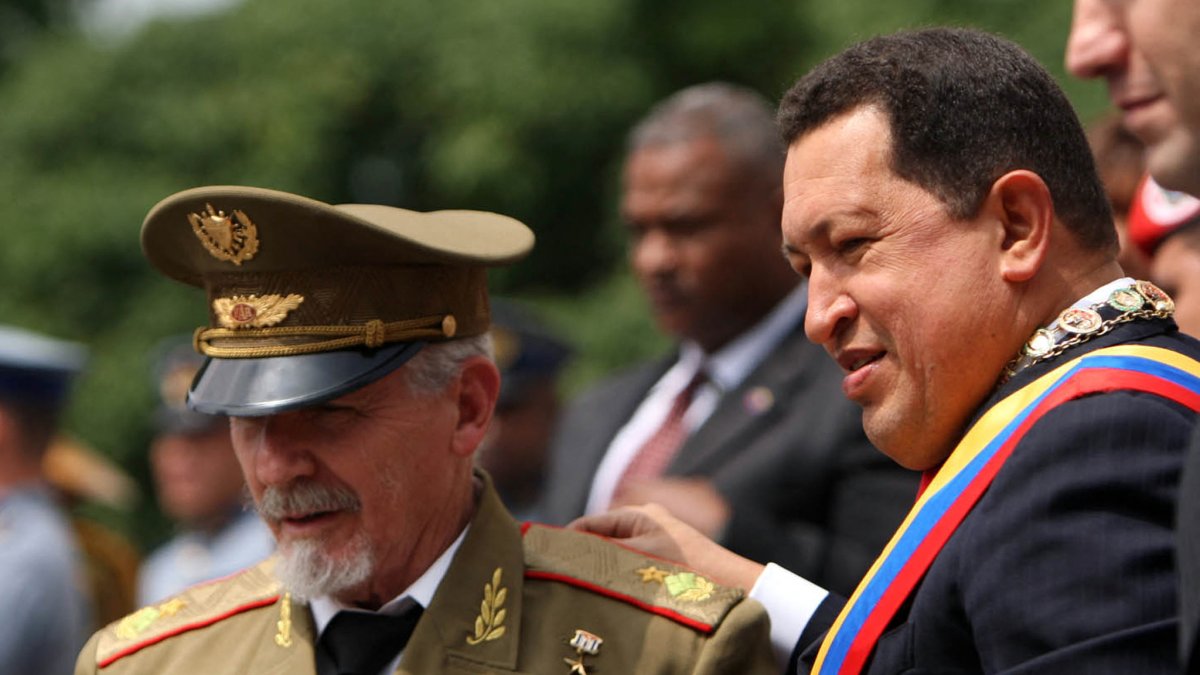
Ramiro Valdés and Hugo Chávez, both now deceased, in 2009.

The Cuban regime’s propaganda apparatus confirmed the death of Ramiro Valdés Menéndez, which occurred on the morning of Sunday, June 21, in Havana.
Dictator Miguel Díaz-Canel was tasked with formally announcing the news, praising the figure of one who was among the most feared and longest-serving members of the generation that seized power in January 1959.
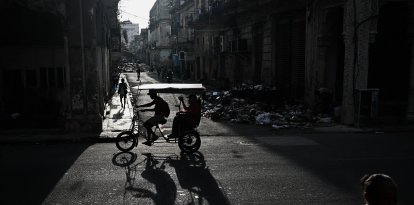
Valdés had been completely retired from official activities since late 2025. His prolonged absence from government and Cuban Communist Party (PCC) events fueled constant rumors about his deteriorating health, coinciding with a period of profound economic decline and social instability in Cuba.
The architect of police control and civil persecution
For dissidents and human rights defenders, Ramiro Valdés embodied the most unyielding wing of the communist dictatorship.
Trained in the early revolutionary actions alongside Fidel Castro, such as the attack on the Moncada Barracks in 1953 and the Granma crossing, he consolidated his influence in the Sierra Maestra by fighting alongside Ernesto “Che” Guevara.
His main legacy in the continued existence of the Castro regime was the design and institutionalization of the organ of internal surveillance.
Under his direct leadership, the General Intelligence Directorate (DGI/G2) was structured, absorbing the former branches of the Rebel Army. Through these mechanisms, Valdés refined a system of civilian espionage and opposition neutralization that shielded the state against any dissent.
Despite his advanced age, in his final years on active duty he retained the position of deputy prime minister, from which he exercised technical oversight of sensitive sectors such as infrastructure development, electricity generation and housing plans—areas severely affected by the inefficiency of the island’s communist model.
The export of the surveillance model to Venezuela
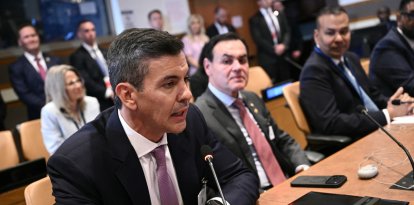
Valdés’s death represents a loss for the Chavista regime as well. The Cuban military officer was consistently identified by analysts as the main architect of Cuban infiltration into Venezuela’s strategic institutions following Hugo Chávez’s rise to power.
Under Valdés’s guidance, the Venezuelan regime adopted Cuban models of citizen control, restructuring everything from military counterintelligence agencies to the nation’s official identification and telecommunications systems.
His prolonged absences prior to his death included his failure to appear at the reception for the remains of the 32 Cuban mercenaries who were protecting Nicolás Maduro and who died during the recent U.S. military operation in Venezuela on Jan. 3.
LATEST