Iran sets conditions: Demands the US lift sanctions and withdraw its forces to reopen the Strait of Hormuz
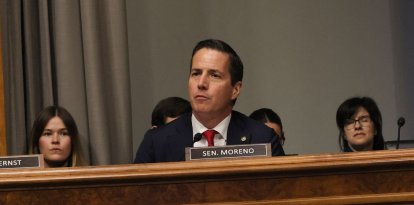
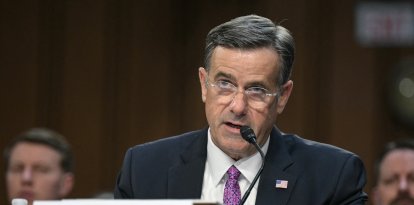
Mohammad Bagher Zolghadr, secretary of Iran's Supreme National Security Council, issued a statement carried by state media in which he outlined the requirements that the Trump administration must meet to permanently reopen the strait.
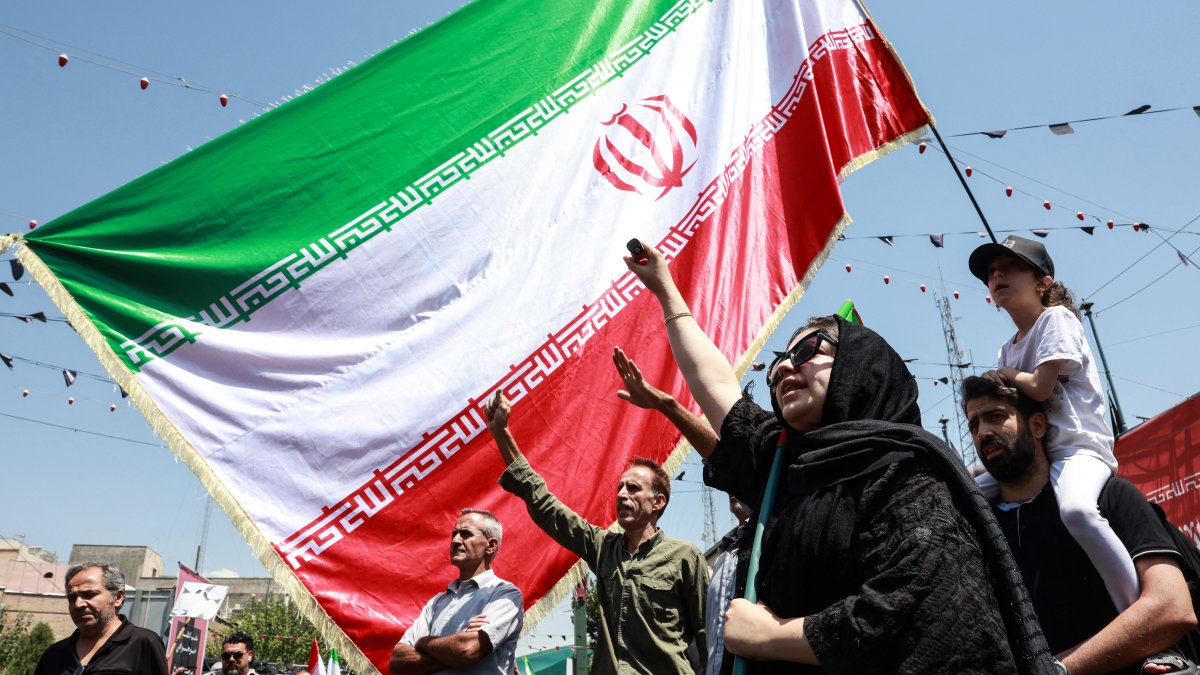
Shiite Muslim worshippers in Tehran

Iran hardened its stance on the future of the Strait of Hormuz, making its reopening contingent on the United States accepting a series of demands. Among other things, Tehran is demanding the lifting of the naval blockade and sanctions, the withdrawal of U.S. forces from the region, and the release of frozen Iranian assets.
Mohammad Bagher Zolghadr, secretary of Iran's Supreme National Security Council, issued a statement, released by state media, outlining the requirements the Trump administration must meet.
Among the demands are the lifting of the naval blockade and economic sanctions, the withdrawal of U.S. forces from the region, the release of frozen Iranian assets, and the payment of reparations for damages caused during the conflict. In addition, the official demanded an end to attacks against Iran's allies in the region and to threats against the country.

The statement comes as Iran and Oman make progress in negotiations to establish the conditions for navigation through the strait, which is critical to the global supply chain. It is the only maritime passage from the Persian Gulf to the open ocean. Approximately 21% of the oil consumed worldwide and 23% of liquefied natural gas (LNG) pass through it.
Hossein Mohebbi, spokesperson for the Islamic Revolutionary Guard Corps (IRGC), also stated that the reopening of the Strait of Hormuz is contingent on the United States accepting Iran's aforementioned conditions and does not depend on negotiations between Tehran and Oman.
Maritime traffic through the Strait of Hormuz has remained severely restricted since February, when Iran responded to attacks by the United States and Israel by drastically reducing transit through the strategic waterway. Although some vessels continue to pass through it, traffic is well below the levels recorded before the conflict.
LATEST