The Postal Service is running out of money: $2.5 billion in losses could lead to the closure of thousands of post offices
The Postal Service has accumulated losses of more than $120 billion since 2007, largely because first-class mail—historically its most profitable product—has declined sharply as digital communication has risen.
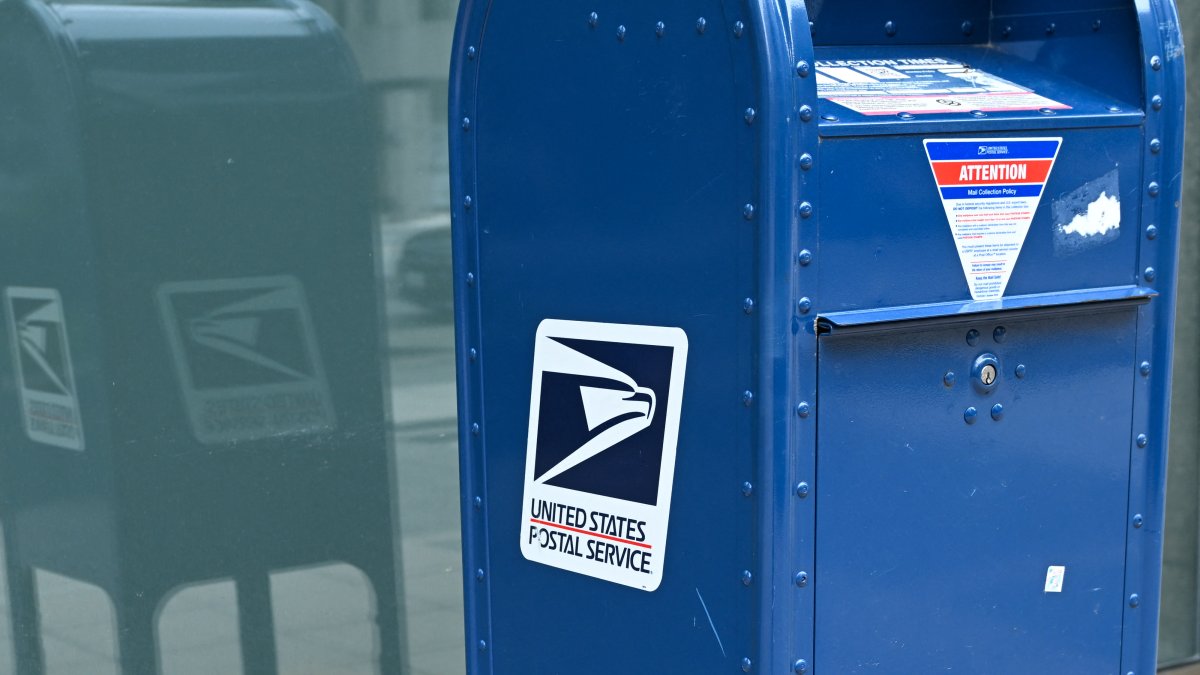
A U.S. Postal Service mailbox

The U.S. Postal Service is facing its worst financial crisis in years. The agency closed the third fiscal quarter with a net loss of $2.5 billion, and its CEO, David Steiner, has already warned of what will happen if Congress does not act soon: price hikes and the potential closure of thousands of post offices amid a critical situation.
According to figures cited by Reuters, this quarter's loss was nearly $600 million less than last year's, but that is not enough to solve the most serious problem. The agency does not have enough cash to continue operating normally.
Steiner explained that without help from Congress before the end of the year, the Postal Service will have to reduce its service levels, close thousands of money-losing offices, and implement a new rate hike in January, rather than waiting until July 2027 as originally planned.
The problem is essentially operational: delivering mail six days a week to 170 million addresses nationwide costs $3.4 billion a year, yet 70% of those routes are unprofitable. The same is true for physical post offices: of the 18,000 that exist, 58% are also losing money.

Politics
The Postal Service will not deliver mail-in ballots in states that refuse to comply with a Trump order
Andrés Ignacio Henríquez
Added to this is the problem stemming from a Senate committee that passed a law creating dozens of new ZIP codes, a move that could cost an agency already operating at a loss an additional $800 million. In June, Steiner had acknowledged that the situation was so dire that the Postal Service was using its own employees' retirement funds just to stay afloat.
To stem the crisis, the agency has already taken some measures, including hiring restructuring consultants in March, cutting travel and supply expenses starting in May, and raising the price of a first-class stamp from 78 to 82 cents effective July 12. It has also temporarily suspended contributions to its employees' pensions, which will allow it to save $2.5 billion through September and up to $15 billion by 2030.
The Postal Service has accumulated losses of more than $120 billion since 2007, largely because first-class mail—historically its most profitable product—has declined sharply as digital communication has risen.
LATEST