End to 16 years of harassment: Venezuelan regime permanently closes high-profile case of judge persecuted by Hugo Chávez
This outcome brings one of the darkest chapters in the history of the courts' subordination to the ideological interests of the Chavista regime to a close.
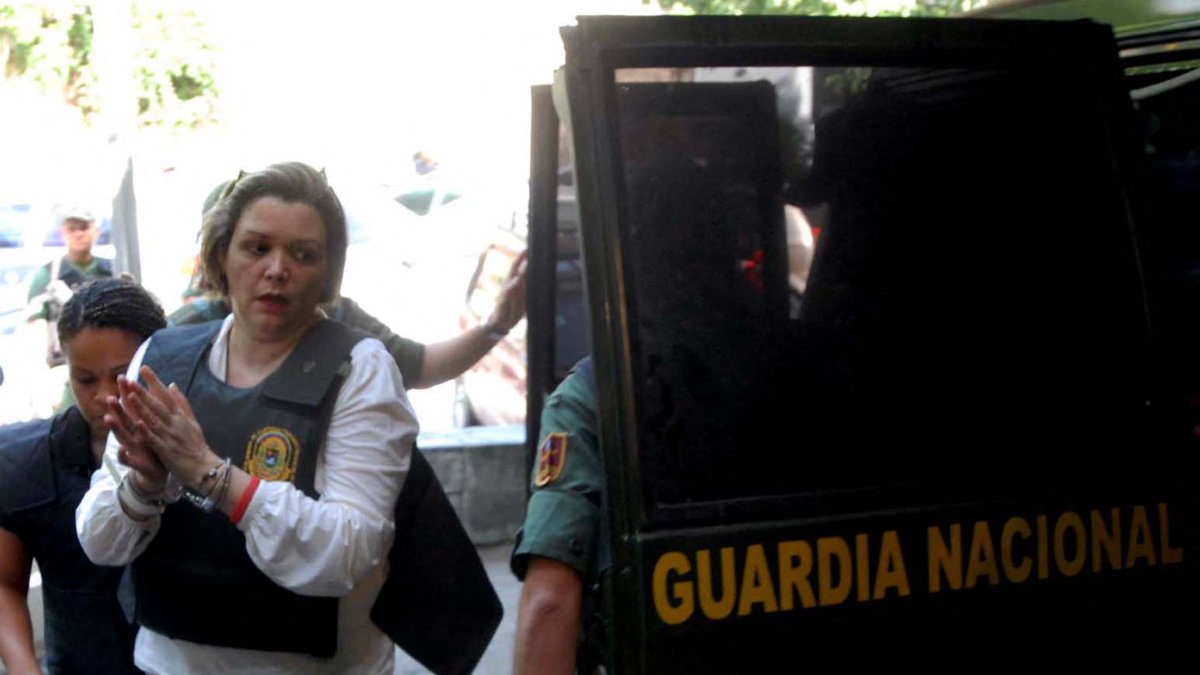
Judge María Lourdes Afiuni arrives under guard at the forensic clinic in Caracas on July 16, 2010.

Venezuela's judicial system ordered the formal and definitive closure of the case against Judge María Lourdes Afiuni Mora.
The ruling fully restores her freedom after nearly 16 years marked by arbitrary arrests, civil restrictions and a severe legal limbo that seriously affected her well-being and health.
Through a statement issued by her brother, Nelsón Afiuni Mora, and her legal representative, Thelma Fernández, the family confirmed the judicial notification. The defense welcomed the decision, which definitively closes a case "that should never have existed."
This outcome brings to a close one of the darkest chapters regarding the subordination of Venezuelan courts to the ideological interests of the Chavista regime.
The family's strong reaction and the legacy of the case
In the statement issued following the ruling, the lawyer's relatives emphasized that the outcome marks the end of a "long and painful chapter marked by serious violations of human rights and due process."
They highlighted that, for more than 15 years, the judge and her close circle had endured the consequences of a persecution that went beyond the purely personal sphere, transforming her into an "unequivocal symbol of the erosion of judicial independence in Venezuela."
The family took the opportunity of the public statement to express their gratitude to the international community, legal professionals, journalists and human rights organizations that kept the demand for justice alive "when silence seemed to prevail."
However, the statement is unequivocal in warning that the formal resolution of the case "does not erase the suffering endured nor, on its own, redress the harm caused."
Likewise, the text issues a warning to the rest of the hemisphere by noting that this case remains a regional cautionary tale regarding "the consequences of using the justice system as an instrument of retaliation against those who carry out their duties with independence and impartiality."
In its concluding remarks, the defense emphasizes that "no judge should ever again face imprisonment, persecution, humiliation or threats for fulfilling their duty."
Origin of the case
The persecution of Afiuni began on Dec. 10, 2009. On that date, while serving as the presiding judge of the 31st Court of First Instance for Supervisory Matters in Caracas, she granted a precautionary measure of conditional release to the banker Eligio Cedeño, in accordance with United Nations (U.N.) resolutions regarding prolonged pretrial detention.
The day after Cedeño's release, then-President Hugo Chávez publicly demanded on national television that the judge be sentenced to the maximum penalty of 30 years in prison.
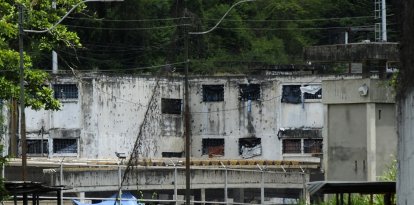
The president's order triggered her immediate imprisonment under inhumane conditions at the Institute for Women's Rehabilitation (INOF), giving rise to the phenomenon known as the "Afiuni effect," an implicit warning intended to intimidate the rest of the nation's judges.
The institutional persecution against the judge included a 2019 conviction to five years in prison for the unprecedented crime of "spiritual corruption," based on the alleged commission of the crime without any exchange of money or material benefits.
Despite having more than served the full term of her sentence, the case remained stalled due to successive postponements of hearings and the persistent refusal to grant the necessary medical leave to treat her diagnosed cancer.


World
María Corina Machado cements her leadership, reaches record popularity in Venezuela
Andrés Ignacio Henríquez

World
'Not years, but months and weeks': Marco Rubio outlines the timeline for free elections in Venezuela
Andrés Ignacio Henríquez
LATEST