Marco Rubio details US pressure campaign against the Castro regime, vows Cuba will be 'on an irreversible glide path toward a different future'
"One of the things we've lost in American foreign policy and geopolitics is the concept of patience and persistence," the secretary of state said, going on to outline the likely outcome of sustained pressure against the island. "My level of confidence is that when this administration is over, at a minimum, Cuba will be on an irreversible glide path toward a different future."
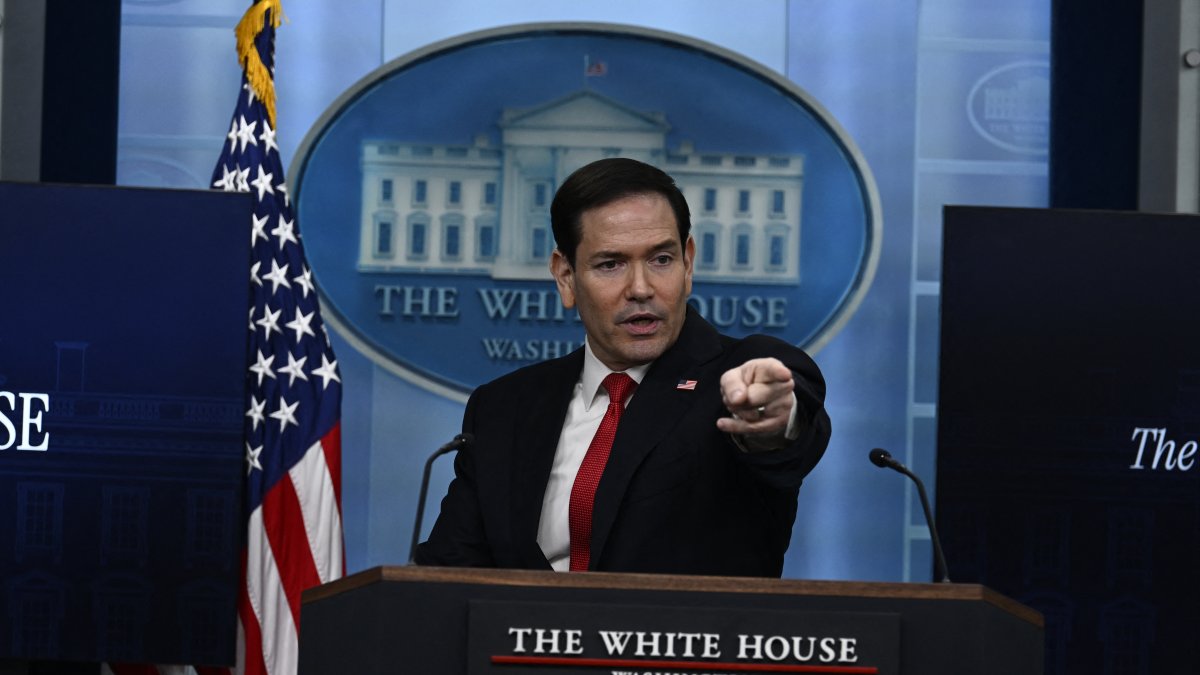
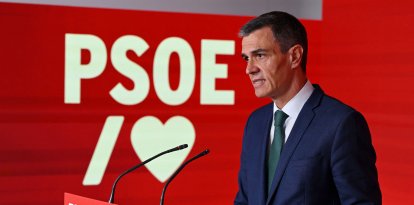
Marco Rubio at a press conference (file photo)

The Castro regime has no way out, and that is precisely the lesson Washington wants Havana to finally take to heart. This is what the Secretary of State Marco Rubio hinted at in an interview with Axios, where he explained in detail the scope of the economic offensive that the Trump administration has been waging against the island for over a year—pressure that the official himself described as unprecedented.
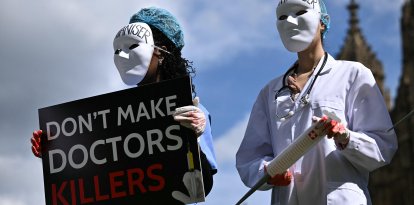
According to the report by Axios, since 2025 the U.S. government has carried out two dozen different actions against the Cuban regime, ranging from sanctions against 40 entities—from foreign companies operating on the island to state-owned fuel, banking, and mining conglomerates—to measures against at least 38 individuals, including visa restrictions and the revocation of residency permits. Washington is also pressuring third countries to stop supporting Cuba's medical export program, which the Department of State as a form of "human trafficking."
"What we're trying to teach them is there are no escape valves," Rubio told Axios, referring to the regime's attempts to circumvent the economic blockade.
The result, according to the report, is that Cuba has become a sort of de facto rebel colony of the United States, on which it now depends for most of the food, fuel, medicine, and foreign currency that are in short supply on the island. In this context, the Cuban prime minister announced this week that the regime will allow more private enterprise than at any other time since the triumph of the Revolution in 1959, a move that, according to Rubio, is part of a Castroist strategy to buy time while seeking to circumvent sanctions.
"Every time they create a new mechanism in which they try to get out of the noose, we just close it off," the secretary of state warned, who was categorical in ruling out any expectation that the pressure would ease in the short term. "They certainly can't wait us out. Certainly this isn't going to go away for the next 2½ years."
World
'The Cuban dictatorship will not survive this year, and the Trump administration's role will be decisive'
Luis Francisco Orozco
The hardest blow to the Cuban economy, however, did not come from direct sanctions, but rather from the geopolitical episode that marked the year 2026, namely, the arrest of former dictator Nicolás Maduro on January 3 in Caracas, Venezuela. For years, the Chavista regime had been the island's main sponsor, supplying it with up to 100,000 barrels of oil per day, a flow that was abruptly cut off and which also represented a source of revenue for Cuba, since the island itself resold approximately half of that crude on the international market.
"For the first time in Cuba's history, Cuba lacks two things they've always relied on: an outside sponsor and the U.S.'s lack of attention on it as a top priority," Rubio explained, who also asserted that this combination shows no signs of reversing anytime soon. "They're not going to get a sponsor in the next 2½ years, so that's the dynamic that's changed," he added. "It's forced them into a very tough spot."
The diplomatic offensive has also been bolstered by the recent Supreme Court ruling on the LIBERTAD Act, which allows U.S. citizens to sue private companies that trade in property confiscated during the Cuban Revolution, leading to a new wave of litigation. The law also codifies the U.S. embargo against the island, which can only be lifted if the regime releases political prisoners, guarantees civil rights, and holds free elections.
The Department of State, for its part, released a report on July 20 titled "Cuba: The Capital of 21st Century Communism," which documents the island's espionage and ideological subversion campaigns against the United States and which, according to officials quoted by Axios, "paves the way" for additional actions that Rubio declined to specify.
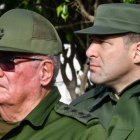
The pressure on the Castro regime has also resulted in concrete actions in recent weeks. Washington recently imposed sanctions on the Cuban Minister of the Armed Forces, General Álvaro López Miera, along with seven other officials and five companies in the island's military sector, for their alleged involvement in the acquisition of weapons abroad, according to various reports. Added to this is the revelation that the CIA has reportedly created a special unit to tighten the strings around the regime's leadership.
On the domestic front, Rubio also revealed that he has held talks with Raulito Castro, grandson of the historic leader Raúl Castro, regarding a possible transition on the island, though he noted that it is still unclear whether the heir to the Castro regime could lead a government of change or whether he has sufficient support to remain in power.
Although critics of the Cuban regime want more forceful action, Rubio expressed confidence that the strategy will yield results in the medium term. "One of the things we've lost in American foreign policy and geopolitics is the concept of patience and persistence," the secretary of state said, going on to outline the likely outcome of sustained pressure against the island. "My level of confidence is that when this administration is over, at a minimum, Cuba will be on an irreversible glide path toward a different future."
LATEST