INTERVIEW
Gen. Sean MacFarland: 'We have engouh missiles for Iran. The question is whether we have enough for the rest of the world'
In an interview with Juan Esteban Silva, a VOZ journalist based in Washington, D.C., MacFarland explained that President Donald Trump is betting on a negotiated solution with Tehran rather than a military escalation, and that it is now up to Iran to decide whether to accept that path.
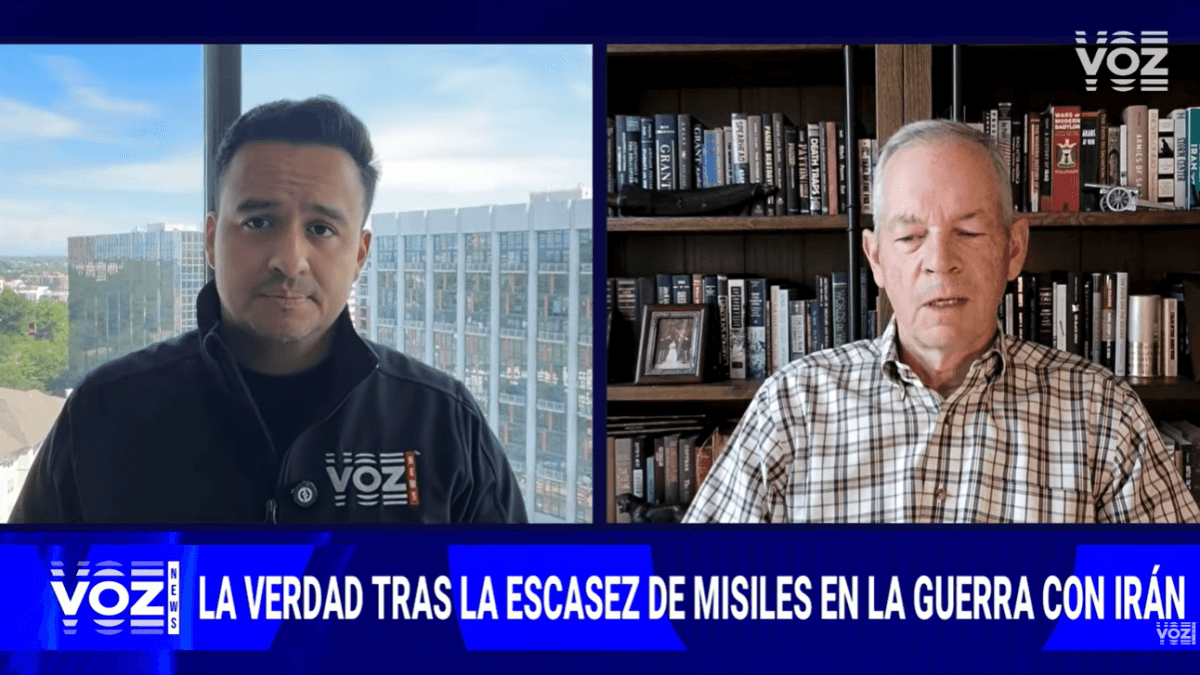

Retired General Sean MacFarland warned that the United States has the necessary arsenal to confront Iran, but he questioned whether those resources would be sufficient to respond to other global crises that might arise simultaneously.
In an interview with Juan Esteban Silva, a journalist for VOZ based in Washington, D.C., MacFarland explained that President Donald Trump is betting on a negotiated solution with Tehran rather than a military escalation, and that it is now up to Iran to decide whether to accept that path. Regarding control of the Strait of Hormuz, the general acknowledged that Iran has a "geographical advantage" because it borders half of the sea lane, so it will continue to exert influence over that area in any future negotiations.
When asked about U.S. weapons stockpiles, MacFarland was clear: "Of course, we have enough for Iran. The question is, do we have enough for the rest of the world?" referring to the pace of long-range missile production by China and the need to protect allies such as the Philippines or territories such as Guam.
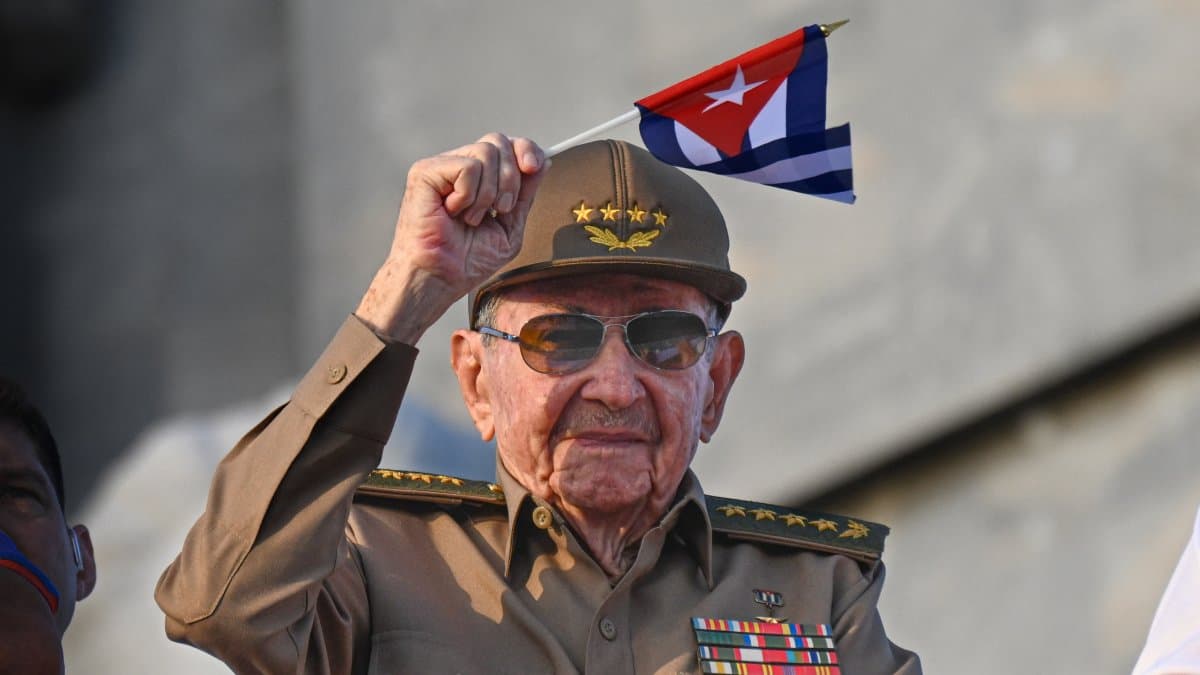
Regarding Hezbollah, the general maintained that Iranian control over the Lebanese group is "between 99 and 100 percent," and that without Tehran's backing, the organization "would wither away." Regarding Cuba, he ruled out direct military intervention and advocated for economic pressure—as is already the case with Iran and Russia—to "tip the balance without putting lives at risk."
Finally, regarding the January operation against former dictator Nicolás Maduro in Venezuela, MacFarland described it as "impressive" due to the U.S.'s ability to deploy forces, but questioned its results, since Chavista Vice President Delcy Rodríguez and the rest of the Venezuelan regime remained in power, and it is still unclear whether it will have a lasting effect on the country.
🛠 Do you think there is an error in this article?
Recommendations
LATEST