'You'd better watch out, or you'll be on your own pretty soon': Trump's stark warning to Netanyahu
Trump intervened telephonically to moderate the scope of Israeli strikes against Iran.
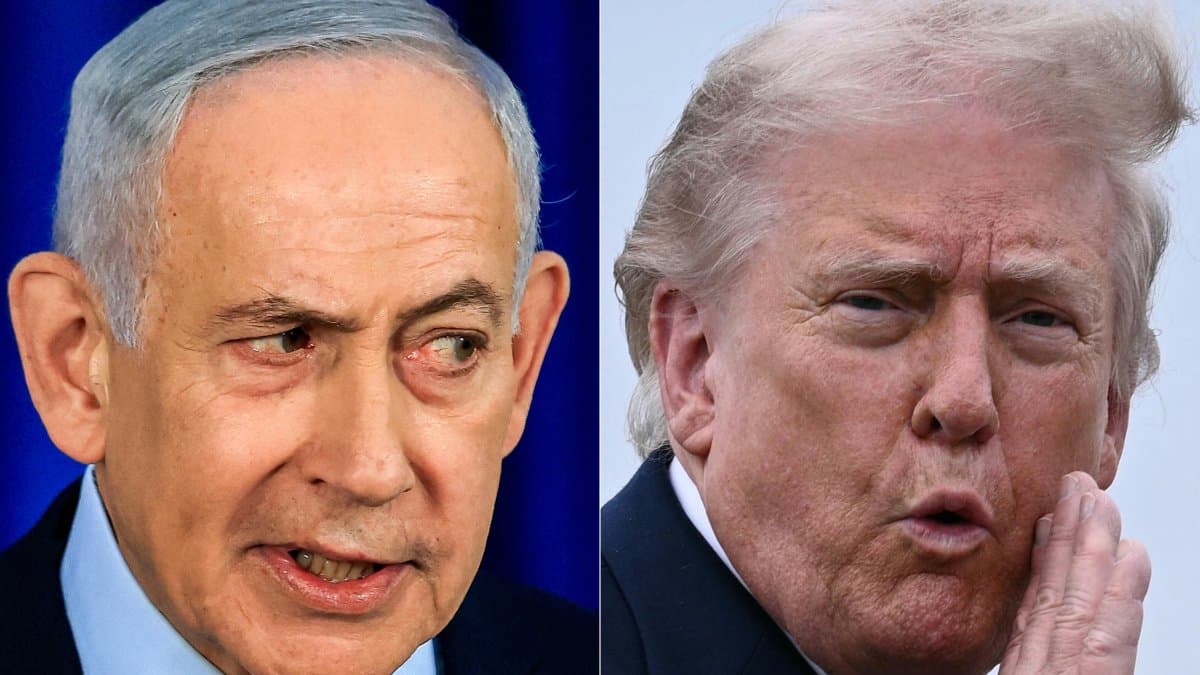

The Trump administration has set a posture of strict strategic pragmatism in the face of volatility in the Middle East, evidencing that American backing for its traditional allies is firmly conditioned on the preservation of U.S. national security interests.
In a phone call following a dangerous succession of reciprocal attacks between Israel and Iran, President Donald Trump launched a stern warning to Israel's prime minister, Benjamin Netanyahu, demanding that he stop the military escalation if he did not want to lose Washington's logistical support.
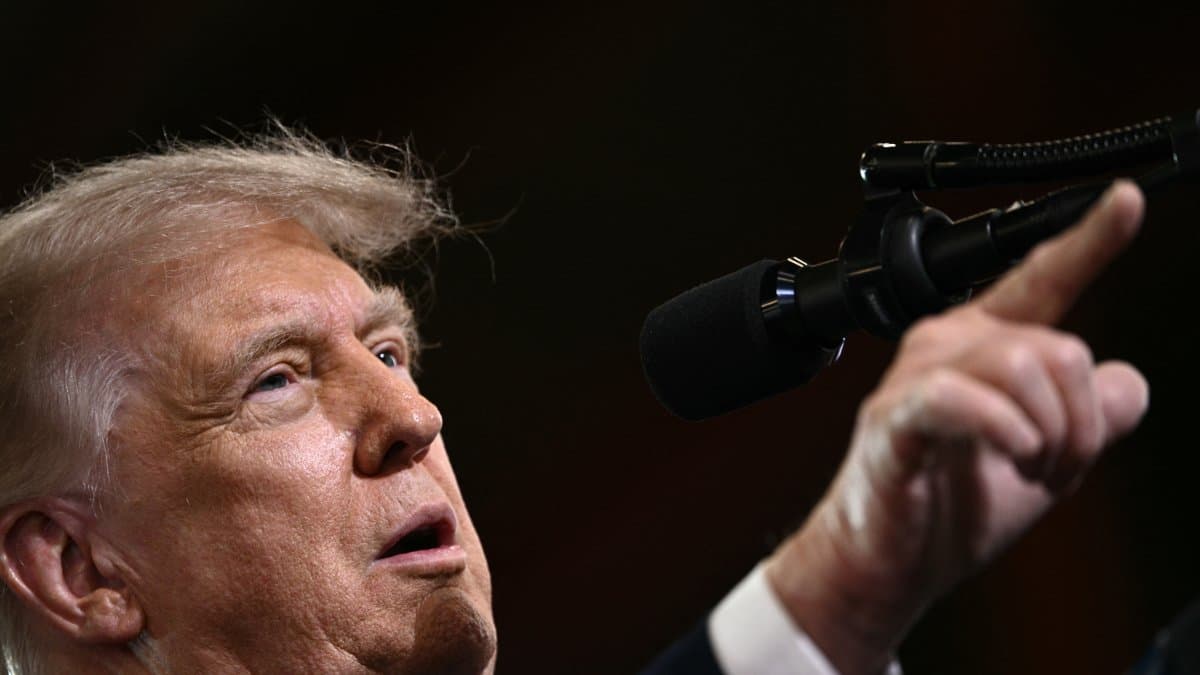
"I told him, 'Bibi, you'd better watch out, or you'll be on your own very soon,'" the U.S. leader himself revealed in statements to Axios.
The blunt statement reflects the White House's determination to prevent the U.S. military from being dragged into large-scale combat operations just as the first 100 days of the regional conflict are coming to a close, where the U.S. executive's priority remains the signing of a historic peace agreement.
Tactical mismatches and cross-retaliation in the Gulf
Diplomatic tension reached its peak after an incursion by the Israel Defense Forces (IDF) against a Hezbollah stronghold in Beirut.
According to government sources consulted by Axios, the Israeli government late-notified the U.S. Central Command (CENTCOM) of the bombing,omitting prior direct communication with the White House.
The attack provoked an immediate response from Tehran, which proceeded to launch ballistic missile rounds into Israeli territory, triggering two consecutive rounds of counterattacks that brought regional stability to the brink of all-out war.
Politics
White House assures that Trump will not accept a "bad" nuclear deal with Iran
Luis Francisco Orozco
Although U.S. forces actively collaborated in intercepting Iranian projectiles aimed at Tel Aviv to safeguard civilian lives, Netanyahu's subsequent determination to execute the largest strategic bombing against petrochemical and nuclear facilities in Tehran so far, collided with the White House's diplomatic agenda.
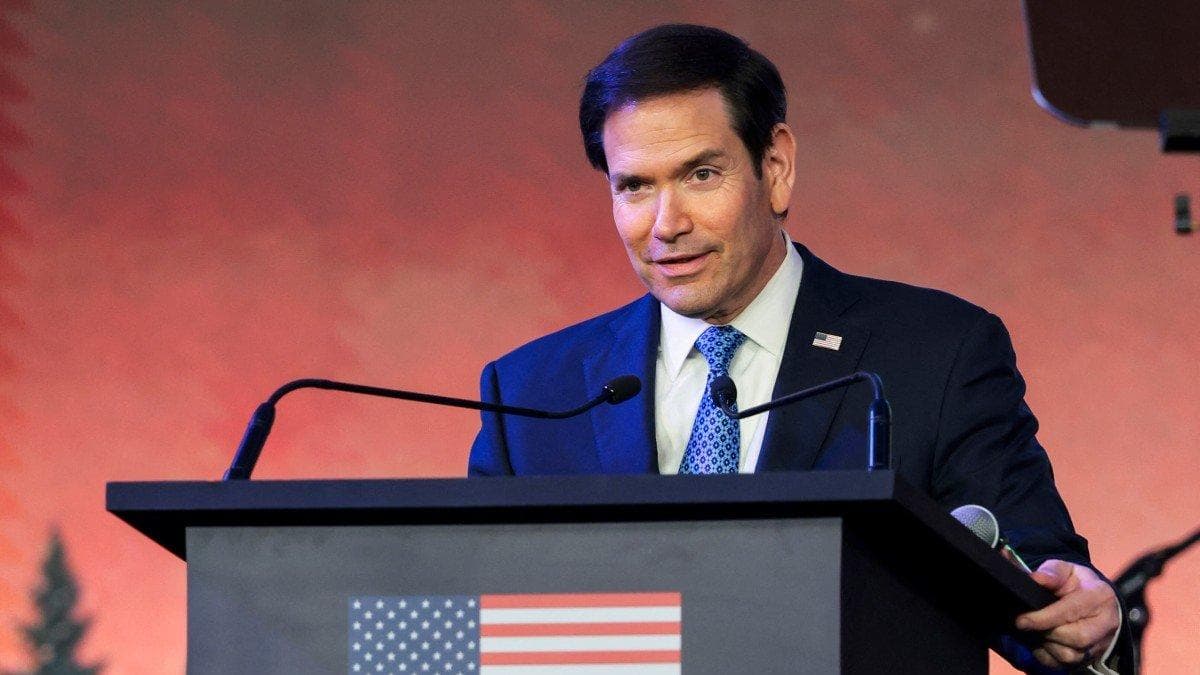
According to official reports, Trumpintervened telephonically to moderate the scope of the targets, while Secretary of State Marco Rubio coordinated against the clockthe limits of the retaliation with Jerusalem security commanders.
Allied pressure and atomic negotiation
The U.S. halt to the IDF war machine was also cemented by the pressure exerted by five allied nations in the region, which contacted the White House alarmed by the impact of the bombings on the navigation channels of the Strait of Hormuz.
As Trump detailed to Axios, his administration received direct communications from the Iranian regimeexpressing a willingness to cease fire if Israel symmetricallysuspendedits air operations.
The White House insists that military and commercial pressures have left Tehran in a position of ideal vulnerabilityto sign a final memorandum of understanding.
"It's going to prevent Iran from getting a nuclear weapon and it will stop enrichment. It's a phenomenal deal," Trump asserted, dismissing the reluctance of Iranian chief negotiator Mohammad-Bagher Ghalibaf.


🛠 Do you think there is an error in this article?
Recommendations




LATEST