Is the door to negotiations closing? Iran gives a resounding 'no' to Trump's peace proposal presented by Iraq
Although Iraqi authorities attempted to act as a diplomatic bridge by leveraging economic and border security ties, the Iranian leadership reacted coldly to these efforts.
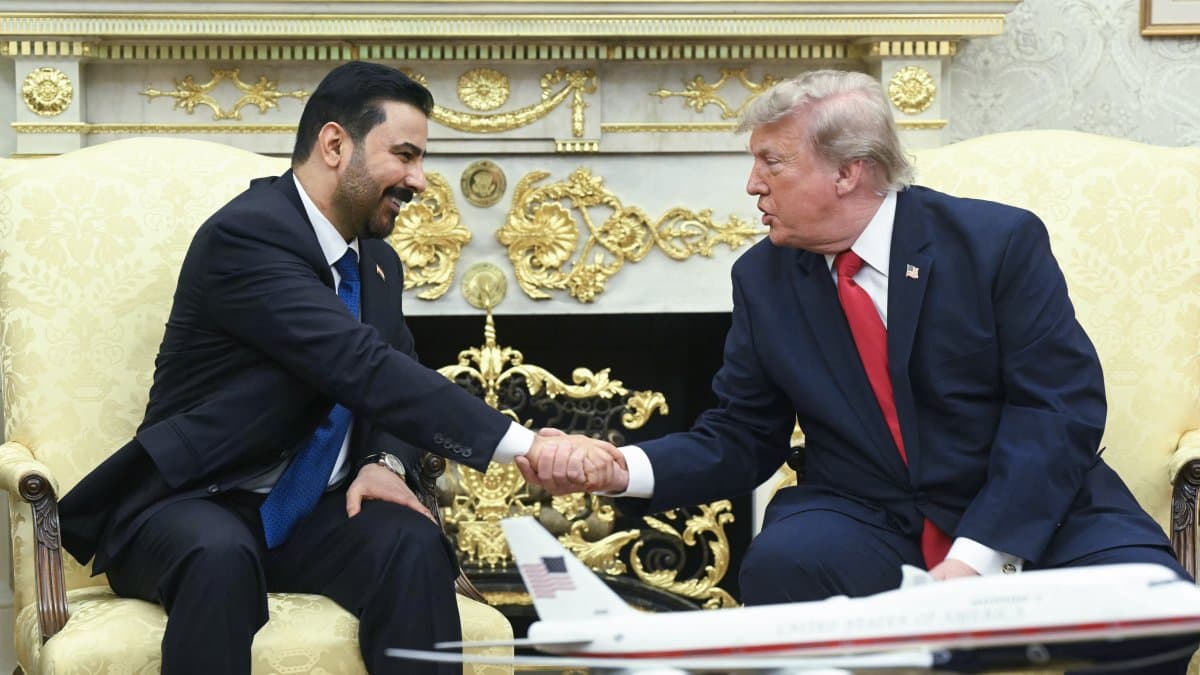

In a show of stubbornness, the Iranian government rejected a ceasefire proposal on Thursday put forward by President Donald Trump, which was conveyed to Tehran by Iraqi Prime Minister Ali al-Zaidi.
According to information from the New York Times, the diplomatic initiative led by the Iraqi leader took place shortly after his official visit to Washington, in an effort to de-escalate tensions in the region.
Although the specific terms of the White House's offer were not made public, officials from the Iranian theocracy noted that the regime has no interest in temporary agreements that do not definitively resolve the conflict and free transit through the Strait of Hormuz.
Tehran rejects Iraqi mediation and hardens its stance
During his stay in the Iranian capital, al-Zaidi led a high-level delegation that held meetings with President Masoud Pezeshkian, the Speaker of Parliament and chief negotiator, Mohammad Bagher Ghalibaf, and Foreign Minister Abbas Araghchi.
Although Iraqi authorities attempted to act as a diplomatic bridge by leveraging economic and border security ties, Iranian leadership reacted coolly to the efforts.
Speaking on state television, Foreign Minister Araghchi dismissed Baghdad's role as a mediator, asserting that "the problem is not about passing messages."
In an open criticism of the U.S. administration's stance, the diplomat accused Washington of holding an "illogical, greedy, and controlling" view, reaffirming that the regime will not yield to U.S. military pressure nor will it halt its provocations if its demands are not met.
Preparing for a possible escalation of bombings
Tehran's refusal comes amid ongoing U.S. attacks aimed at weakening the theocracy's military logistics infrastructure and strategic centers.
In response to Donald Trump's warning to respond firmly and strike key targets if aggression on maritime routes continues, senior commanders of the Iranian armed forces stated that they are prepared for a further escalation of the conflict.
Iranian military sources warned that, should incursions into the capital or critical facilities occur, the regime would respond with attacks on Tel Aviv and order its allied Houthi militias in Yemen to blockade the Bab al-Mandab Strait in the Red Sea.
This hostile rhetoric was reflected in Tehran's Azadi Square, where the government displayed military vehicles equipped with ballistic missiles to its supporters, demonstrating that the regime is committed to confrontation rather than submitting to the international security terms demanded by Washington.
🛠 Do you think there is an error in this article?
Recommendations



LATEST