






France bans social media for children under 15: The historic measure aims to curb the impact of screens on mental health
The European country will require platforms to verify the age of their users and close accounts belonging to minors. The decision is based on studies linking early social media use to cognitive problems, anxiety, depression, and cyberbullying.
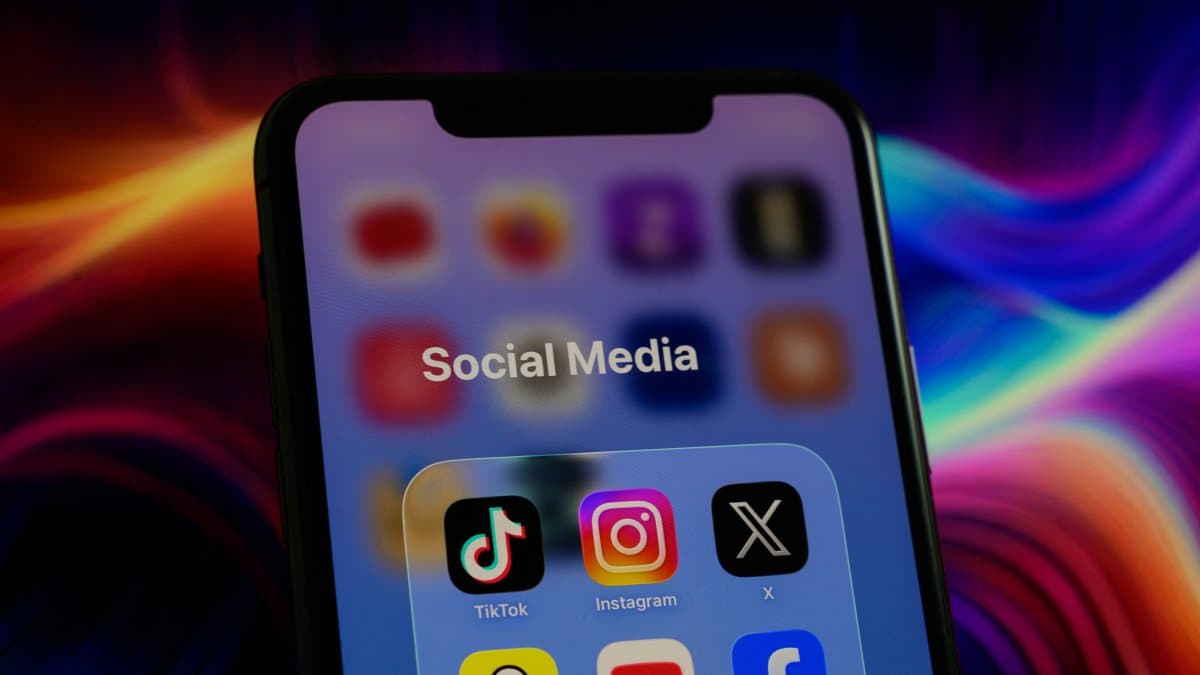

France will take an unprecedented step in Europe to limit children's and teenagers' access to social media. Starting September 1, 2026, children under 15 will not be allowed to create or maintain accounts on these platforms, a measure that makes the country the first in the European Union to establish a ban of this scope.
The regulation will require companies such as Meta, TikTok, Snapchat, and other platforms to implement age-verification systems approved by the French data protection regulator. In addition, they will have four months to close existing accounts belonging to minors under that age.
French President Emmanuel Macron spearheaded the initiative with the goal of having the regulation take effect at the start of the next school year, amid growing concern about the impact of the digital environment on the development of children and adolescents.
A response to the deterioration of the mental health of today’s youth
The new legislation reflects a broad consensus among specialists who warn of the consequences of intensive use of social media during the most sensitive stages of neurodevelopment.
Various scientific reports cited by French experts link early exposure to these platforms to self-esteem issues, sleep disturbances, anxiety, depression, self-harm, drug use, suicidal behavior, and cyberbullying, as well as a growing dependence on social validation through "likes."
Studies link early social media use to lower cognitive performance
The concern is not limited to mental health.
A study published in 2025 in the Journal of the American Medical Association (JAMA), which analyzed more than 6,500 children in the United States, concluded that those who began using social media before age 13 performed worse on memory, reading, and language tests than those who used it only rarely, even when exposure time was as little as one hour per day.
For her part, psychiatrist Geraldine Peronace, a specialist in addiction, stated that excessive screen time is directly linked to an increase in mental health disorders among minors.
The doctor also warned of risks such as online sexual harassment, cyberbullying, the constant search for approval through "likes," and exposure to harmful content — factors that can exacerbate anxiety and depression.
The phenomenon of gambling and new digital addictions
Psychiatrist Federico Pavlovsky noted that various surveys show that between 20% and 30% of schoolchildren participate in online sports betting, a behavior that can develop into an addiction with financial, family, and psychological consequences.
The expert recommended that parents talk openly about these risks, monitor cell phone use, and seek help from mental health professionals if they notice changes in behavior, isolation, or money-related problems.
France joins an international trend
Although France will be the first country in the European Union to implement a ban of this kind, it is not the only one that has taken a tougher stance on minors' access to social media.
Australia was a pioneer in passing similar legislation for minors under 16, while Spain, Denmark, Greece, Malaysia, Romania, and other countries are considering or pushing for stricter restrictions to protect children and adolescents from the effects of the digital world.
In Spain, for example, the government has expressed its intention to raise the minimum age for accessing social media to 16, a proposal that is part of the European debate on the protection of minors online.
🛠 Do you think there is an error in this article?
Recommendations



LATEST