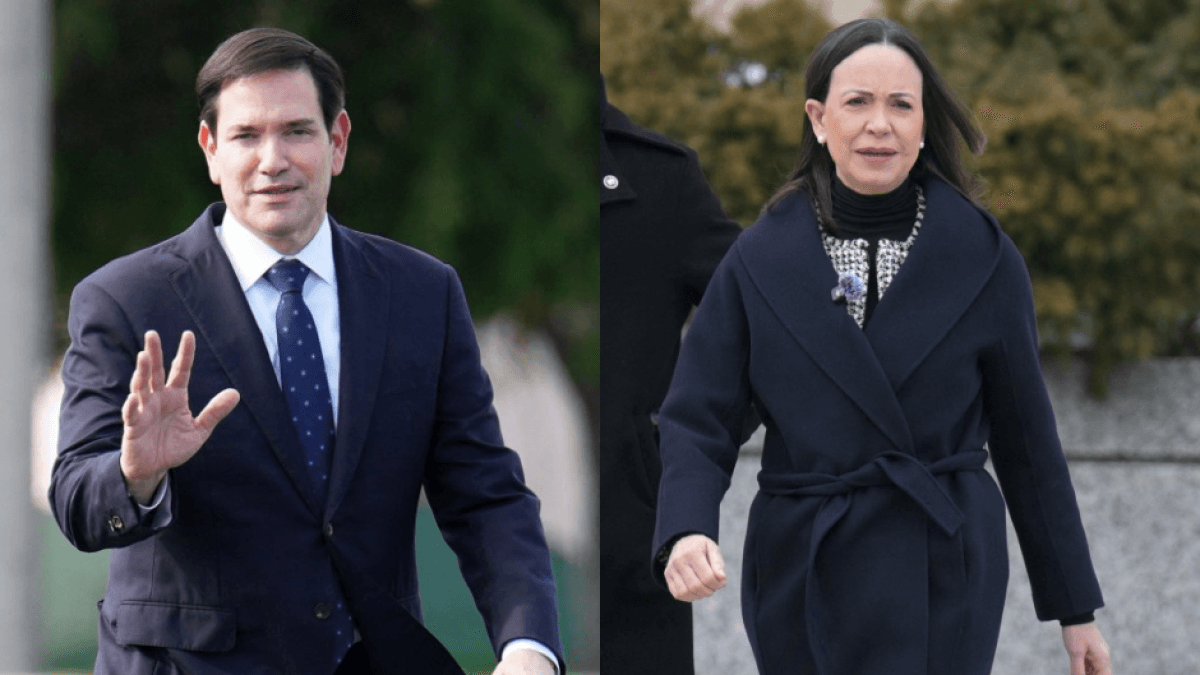







United States has carried out strategic offensives against Iran for twelve consecutive nights
The U.S. bombing campaign coincides with an escalation of hostilities driven by Iranian forces and their affiliated groups in the region.
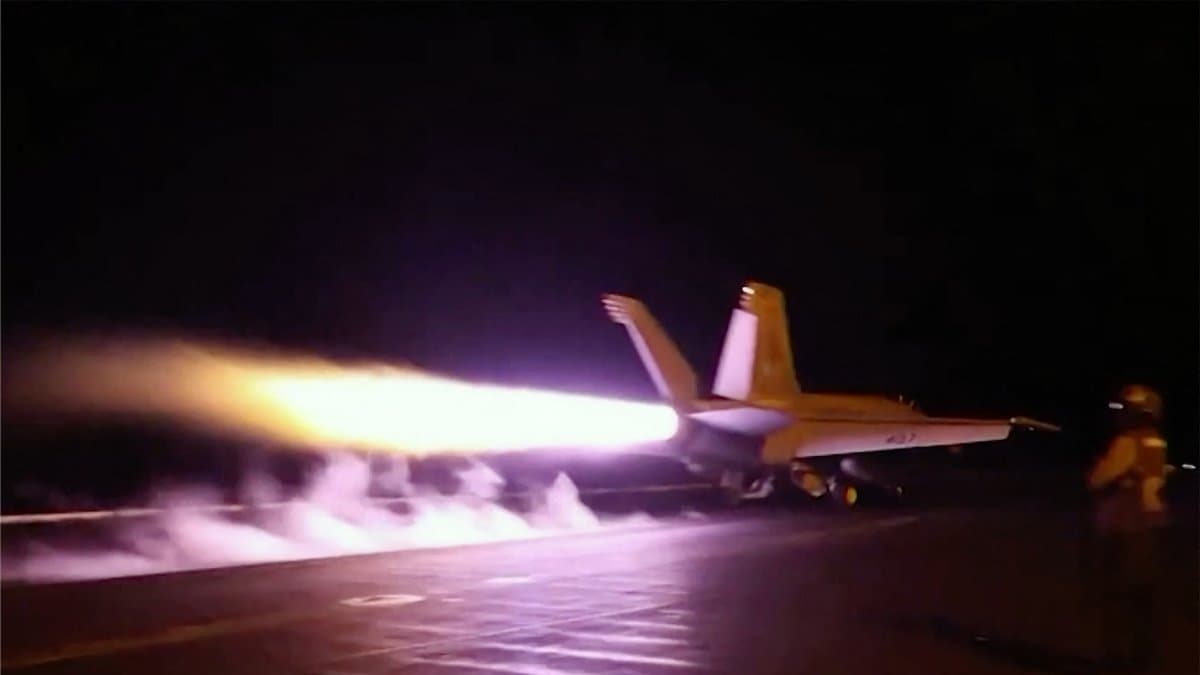

U.S. Central Command (CENTCOM) announced the start of a twelfth consecutive night of air and precision strikes against military targets within Iranian territory.
The operation, carried out under the direct order of President Donald Trump, seeks to sustainably degrade the Tehran regime's capabilities to threaten commercial shipping and civilian crews transiting Middle Eastern sea lanes.
The U.S. offensive coincides with an escalation of hostilities driven by Iranian forces and their affiliated groups in the region.
While various agencies reported explosions near Bushehr, in southern Iran, the Kuwaiti military—a key ally of Washington—reported that its air defense systems had to intervene to intercept drones launched by Tehran.
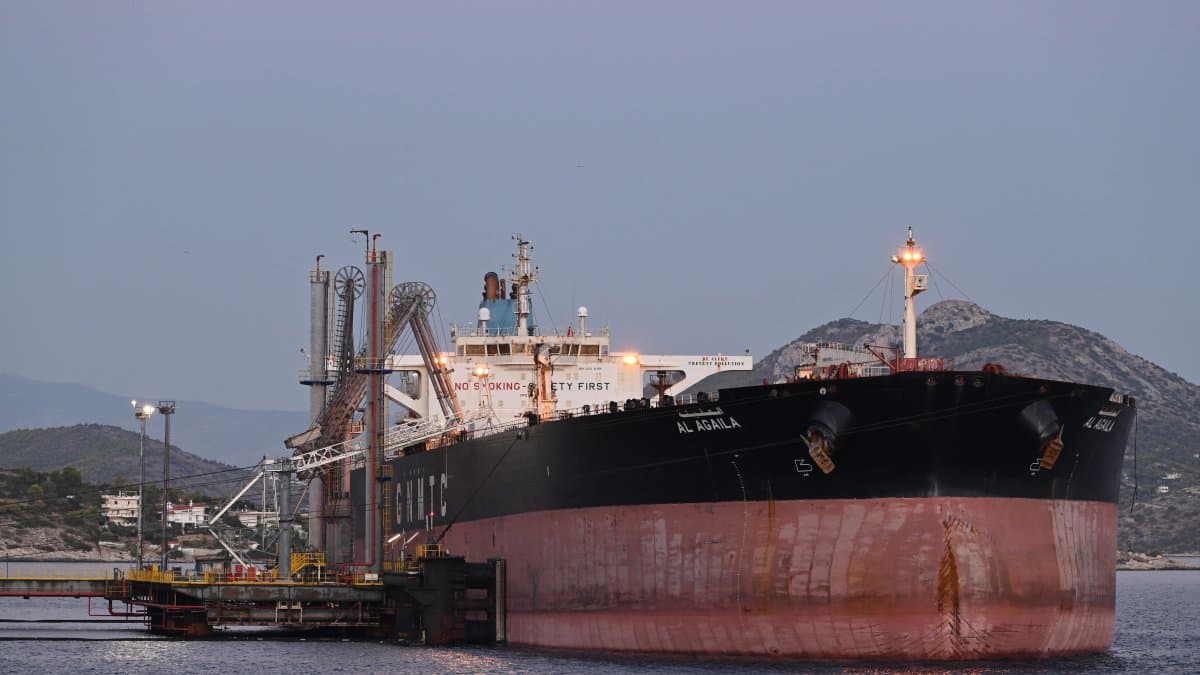
Likewise, the Houthi militia in Yemen, backed by the Iranian theocracy, claimed responsibility for attacks against two oil tankers in the Red Sea, threatening to block the Bab al-Mandab Strait as well.
Direct warning against Iran's strategic infrastructure
In response to the partial paralysis of maritime traffic in the Strait of Hormuz, President Trump adopted a zero-tolerance stance toward attacks on international vessels. In a public statement, the U.S. president issued an operational ultimatum to deter provocations in the strategic waterway.
"From this moment on, every time the Islamic Republic of Iran fires upon a ship in the Strait of Hormuz—whether with missiles, rockets, drones, or any other device or weapon— the United States will bomb and destroy A POWER PLANT OR A BRIDGE," the head of state warned, specifying that retaliation will apply even to facilities located in the capital or its immediate vicinity.
The measure seeks to nip in the bud Iran's tactic of destabilizing energy markets to force diplomatic concessions.
Tehran's defiant response and regional instability
Iran's leadership reacted with direct confrontation. The speaker of the Iranian Parliament and chief negotiator, Mohammad Bagher Ghalibaf, issued a veiled threat to neighboring countries and global markets, asserting that "in a region where we do not sell oil, no one will sell oil," adding that "if our security is not guaranteed, no infrastructure will be safe."
For his part, Foreign Minister Abbas Araghchi promised to respond "an eye for an eye" to Washington's incursions.
Despite the regime's response, Tehran's military actions have ultimately had a negative impact on Arab nations in the region. Over the past week, Iranian missiles and drones have struck civilian infrastructure and utility facilities in Kuwait, Bahrain, and Jordan.
However, the U.S. military's resolve is aimed at maintaining operational pressure until the Iranian regime ceases its acts of piracy and free commercial transit in international waters is definitively restored.
World
Saudi Arabia wins its nuclear prize: Trump greenlights a 30-year deal that could let it enrich its own uranium
Emmanuel Alejandro Rondón
World
The high cost of war with Iran: Hegseth estimates $37.5 billion in expenses
Emmanuel Alejandro Rondón
🛠 Do you think there is an error in this article?
Recommendations



LATEST