







EU pumps another 10 million euros into Cuba despite concerns about how funds are managed
Brussels raises the humanitarian funds mobilized for the island in 2026 to 16 million euros, while questions mount about programs coordinated with institutions of the Cuban regime.
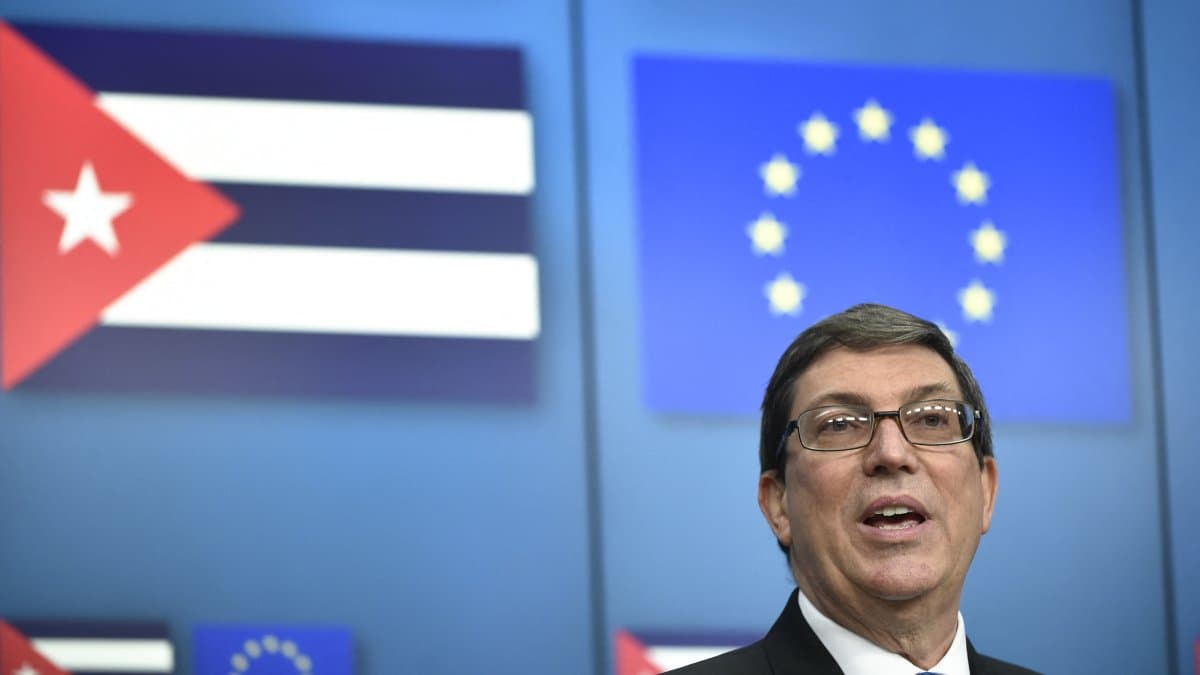

The European Commission on Thursday approved a new package of 10 million euros ($11.7 million) in humanitarian aid for Cuba, a decision that expands the EU's financial support for the island amid a worsening economic and social crisis, but which also reignites the debate over the transparency of international programs carried out in coordination with institutions of the Cuban regime.
The new funding was announced by the Directorate-General for Civil Protection and European Humanitarian Aid Operations (DG ECHO), which justified the measure by citing the deterioration of living conditions for the population, marked by shortages of food, medicine, and fuel, as well as prolonged power outages affecting the country.
According to the European Commission, the funds will be used to assist the most vulnerable sectors — including the elderly, children, pregnant women, and nursing mothers — through healthcare programs, emergency food distribution, the rehabilitation of drinking water systems, and logistical support for isolated communities.
Aid is increasing, but so are questions
Although Brussels insists that humanitarian aid is channeled exclusively through humanitarian organizations on the ground, the implementation of these programs requires coordination with Cuban state institutions, as is the case with most international projects carried out on the island.
This model of cooperation has been the subject of criticism for years by human rights organizations, research centers, and sectors of the Cuban opposition, who argue that the lack of independent audit and oversight mechanisms prevents transparent verification of where the resources ultimately end up.
The criticism does not question the need to address the humanitarian emergency facing the Cuban population, but rather the limited safeguards in place to ensure that aid reaches its beneficiaries in full in a country where the regime maintains tight control over much of the health, logistics, and administration through which these programs are implemented.
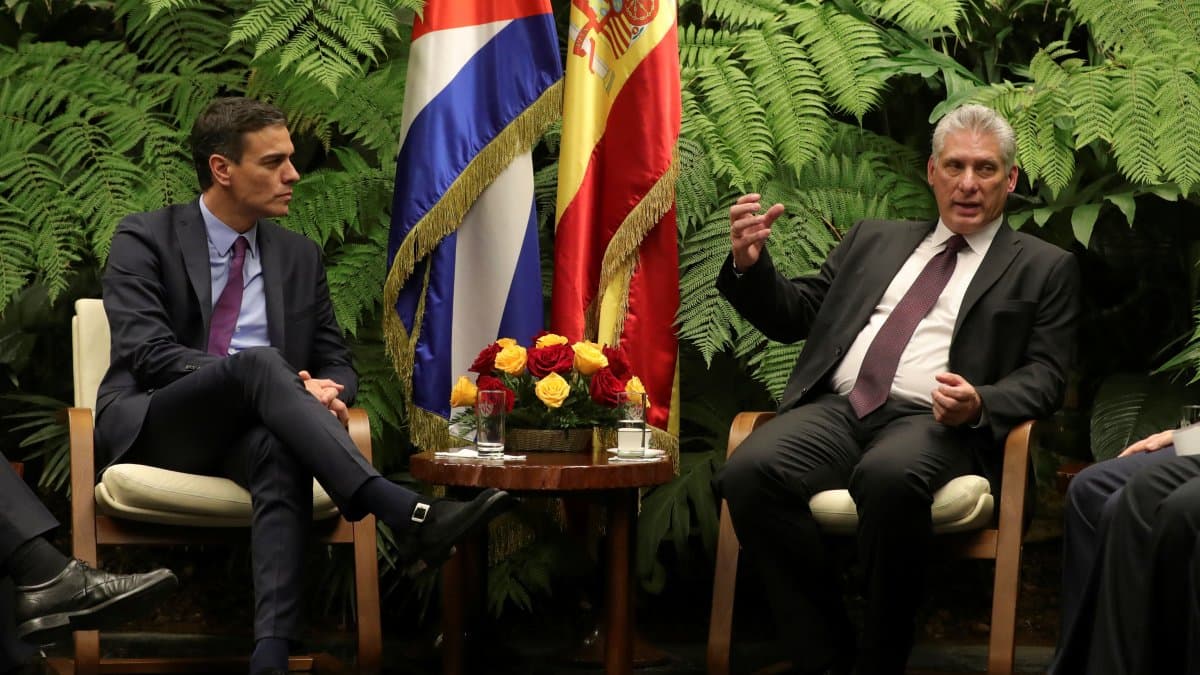
Brussels has already committed 16 million euros for 2026
The European Commission noted that earlier this year it authorized 4 million euros (4.7 million dollars) as part of the regional allocation for the Caribbean — intended primarily for Cuba — and another 2 million euros ($2.3 million) approved in April to address the deteriorating humanitarian situation.
Brussels also noted that in 2025 it mobilized nearly 6 million euros ($7 million) to support the response to emergencies caused by Hurricane Melissa.
More than $130 million approved in just a few weeks
The European Commission's decision comes just weeks after several international organizations approved new cooperation programs for Cuba that, collectively, exceed $130 million and will also be implemented in coordination with official Cuban institutions.
On June 26, the Executive Board of the World Food Programme (WFP) approved the Country Program for Cuba 2026–2030, with a budget of $116.4 million, aimed at strengthening the population's food and nutritional security.
Subsequently, the United Nations Development Program (UNDP) announced the selection of 63 initiatives as part of the project "Support for New Economic Actors for Innovative and Sustainable Economic Diversification (NAE)," funded by the European Union itself.
Among the beneficiaries are even entities linked to the state sector, such as Soluciones Copextel, associated with the state-owned company COPEXTEL; InnovaSolar, in Guantánamo; and Servivip, in Havana.
A debate that is gaining momentum again
The approval of these new funds once again puts the European Union's cooperation policy toward Cuba under scrutiny.
While Brussels maintains that its assistance is based exclusively on humanitarian criteria and seeks to alleviate the population's most urgent needs, various analysts and independent organizations argue that the Cuban regime's lack of transparency makes it difficult to verify the effective use of international funds, due to the absence of independent audits, public access to information, and external oversight mechanisms.
In this context, the new 10 million euros approved by the European Commission reignites a recurring debate: how to ensure that international aid truly benefits Cuban citizens when a large portion of the programs must be implemented in coordination with a state apparatus that centralizes control over distribution, logistics, and the island's main public services.
🛠 Do you think there is an error in this article?
Recommendations






LATEST