






Iran launches new wave of missiles against Israel as Trump urges Tehran to return to the negotiating table immediately
Iran's Islamic Revolutionary Guard Corps (IRGC) claimed responsibility for the attack, describing it as the beginning of a sustained military campaign against the Jewish state.
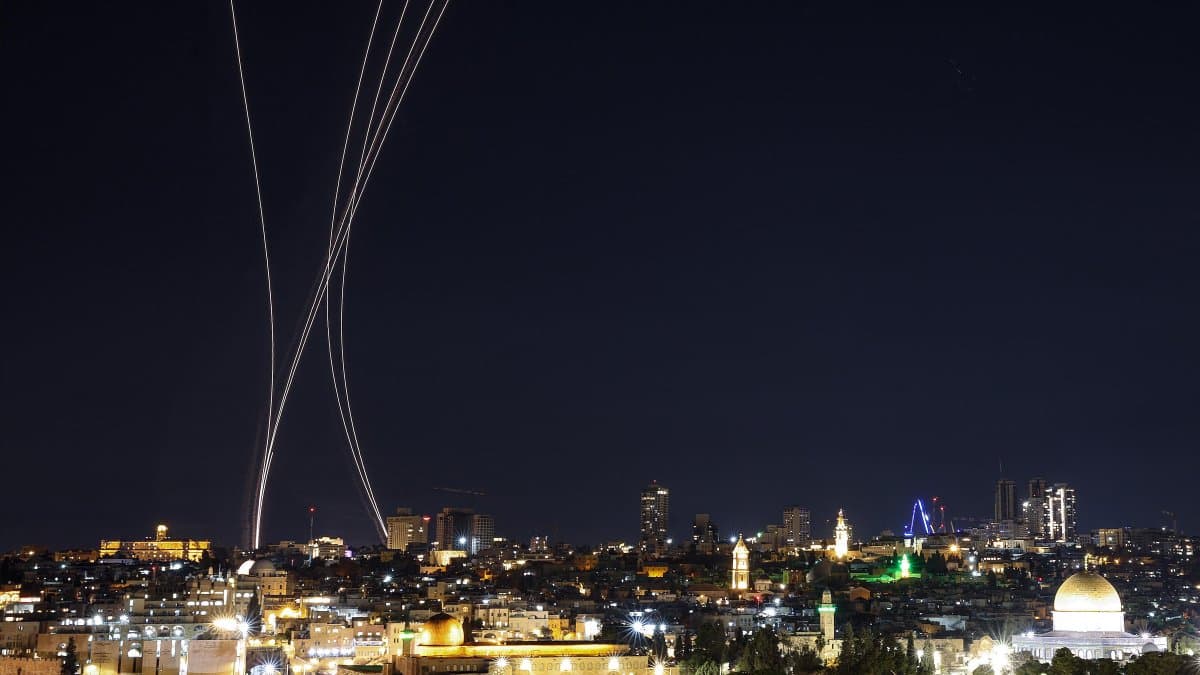
The Iranian regime launched a fresh wave of missiles against northern Israel on Sunday, setting off anti-aircraft sirens in several areas of the Jewish state and raising fears of a wider escalation in the region amid ongoing peace negotiations between the United States and the Islamic theocratic regime, with President Donald Trump calling on Tehran to stop once and for all and finalize a deal.
The Israel Defense Forces (IDF) initially reported that multiple missiles had been fired from Iranian territory and that its air defense systems were activated to intercept the incoming threats. "The Aerial Defense Array is currently identifying and intercepting threats," the IDF said in a statement, adding that "an additional barrage of missiles was launched toward the State of Israel."
Subsequently, the Israeli Air Force claimed it had intercepted "all missiles launched from Iran so far," although it warned that new launches had been detected. According to the Israeli military, the military is "continuously detecting and intercepting threats" as the situation evolves.
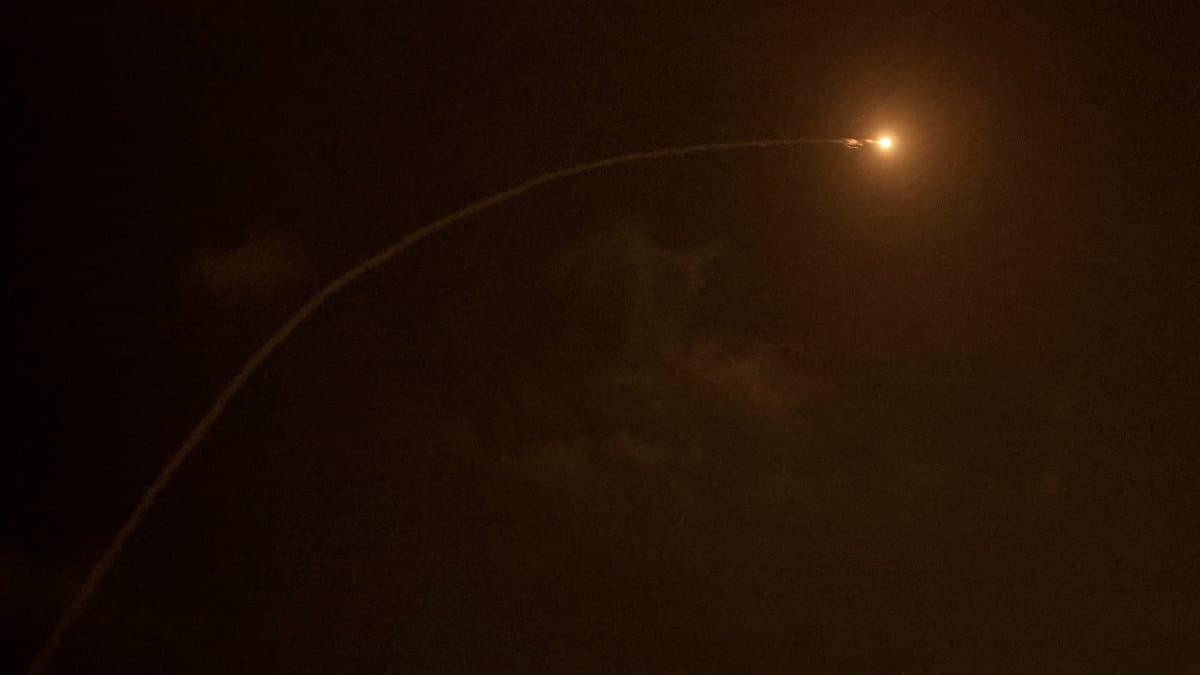
Iran's Islamic Revolutionary Guard Corps (IRGC) claimed responsibility for the attack, describing it as the beginning of a sustained military campaign against Israel. In a statement, the agency claimed that "our missile and drone units launched a coordinated and intensive attack aimed at the heart of the northern cities" of Israel, suggesting that further attacks could occur in the coming days.
"This operation is not a passing event, but the beginning of a full week of continuous attacks. Waves of missiles and drones will continue to be launched 24 hours a day for the next seven days until the enemy is deterred and ceases its crimes," noted the IRGC, which also warned that any future military action against Iran would provoke a severe response by stating that "any attack on Iranian territory will be met with a devastating and overwhelming reaction beyond all expectations."
Reactions from Trump and the Israeli government
According to the statement, if Israel repeats what Tehran called "acts of aggression," referring to an Israeli attack on Lebanon earlier in the day, future retaliation would be "broader" and include "all" U.S. and Israeli targets in the region.
The rising tension also prompted a reaction from President Trump, who urged Iran to resume negotiations rather than continue military action. According to a Fox News correspondent, Trump stated, "You've shot your missiles. That's enough. Get back to the table and make a deal."
Israeli National Security Minister Itamar Ben-Gvir reacted to the missile attacks with a strong message directed at Tehran. "Tonight Tehran must burn!" wrote Ben-Gvir in a brief post on X.
The latest exchange of attacks comes after Israeli forces carried out a bombing raid in the south of the Lebanese capital Beirut, marking the first attack on that city since a U.S.-mediated ceasefire was reached last week. Following that operation, the IDF said it was "preparing for possible shots" aimed at Israel in the hours that followed.
🛠 Do you think there is an error in this article?
Recommendations






LATEST