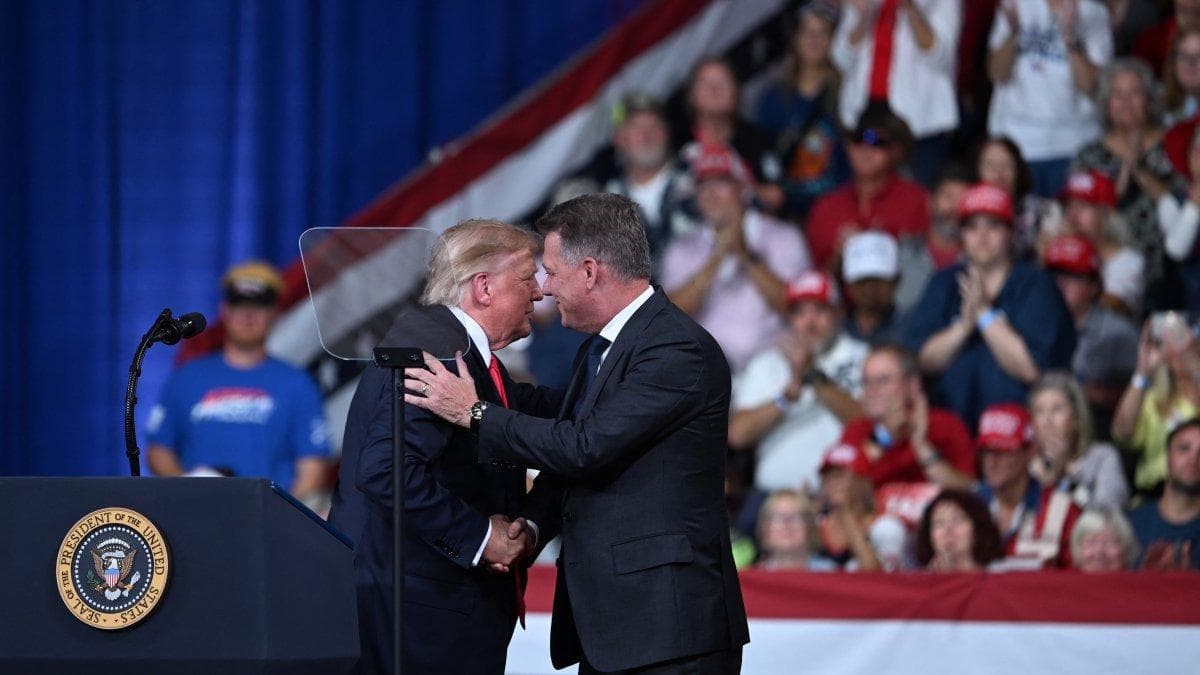
U.S. and Saudi Arabia sign historic nuclear agreement: Kingdom is free to enrich its own uranium
The pact does not include the well-known "gold standard" clauses that the United Arab Emirates did accept in its 2009 agreement with Washington, under which Abu Dhabi waived the right to enrich uranium or reprocess plutonium on its own territory.
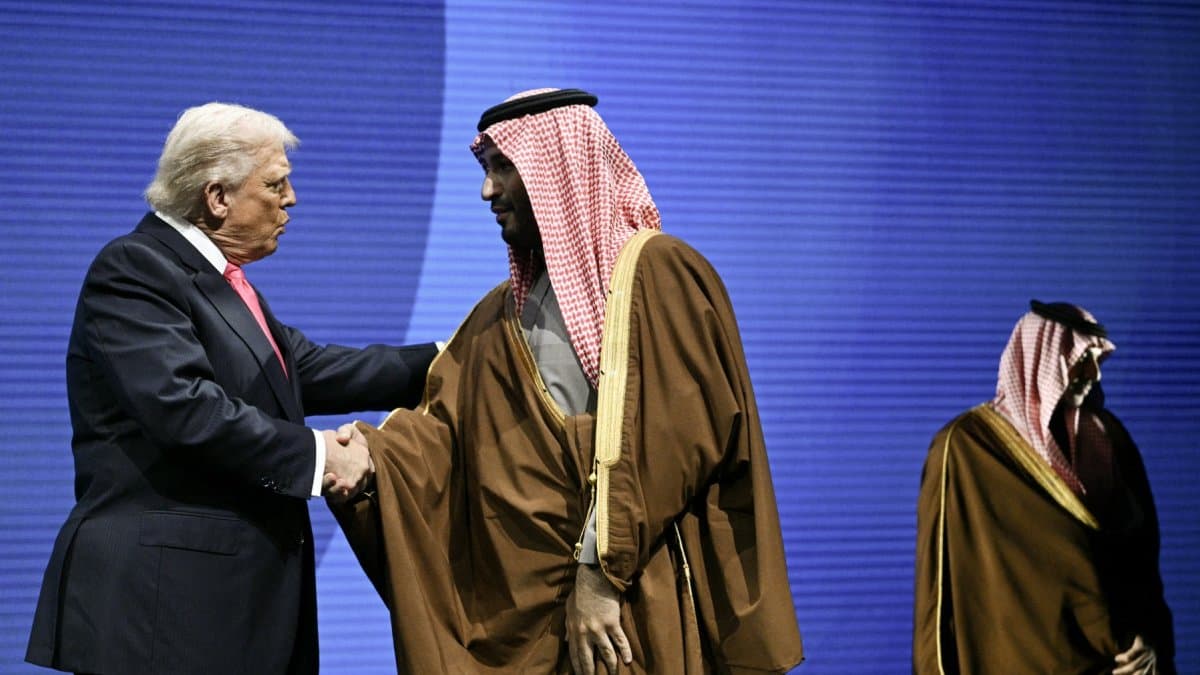

On Wednesday, the United States and Saudi Arabia signed a historic civil nuclear cooperation agreement that lays the foundation for a partnership spanning several decades and worth several billion dollars, and which—unlike similar pacts with other Gulf countries—does not prohibit the kingdom from developing its own uranium enrichment capacity, a detail that is sure to spark debate in Washington, D.C. and criticism in the Middle East.
The agreement was signed by Energy Secretary Chris Wright and Saudi Energy Minister Prince Abdulaziz bin Salman, as confirmed by the Department of Energy. The two officials also signed a supplementary agreement on nuclear safeguards. The main agreement grants U.S. companies priority access to the Saudi nuclear program, which includes the possibility of supplying reactors and fuel, according to an Administration memorandum.
"These agreements reflect our two nations' shared commitment to strengthening U.S.-Saudi commercial relations, delivering prosperity at home and security to our allies abroad," said Secretary Wright. "Rest assured, these agreements uphold the highest standards of nuclear safety and nonproliferation, while relying on the world's best nuclear technology and scientists, designed right here in the United States. Thanks to President Trump, the American nuclear renaissance is underway and will deliver long-term benefits to the American and Saudi people."
The most sensitive aspect of the agreement, however, lies in what is omitted. The pact does not include the well-known "gold standard" clauses that the United Arab Emirates did accept in its 2009 agreement with Washington, under which Abu Dhabi waived the right to enrich uranium or reprocess plutonium on its own territory. Saudi Arabia, on the other hand, could eventually do so, following a joint study by both countries on the economic feasibility of producing its own nuclear fuel.
The text clarifies, however, that Washington does not support a Saudi nuclear weapons program and that cooperation is limited to peaceful purposes, although it does not require Riyadh to accept greater oversight by the International Atomic Energy Agency (IAEA).
It is precisely this lack of safeguards that has set off alarm bells among some lawmakers. Democratic Senator Chris Murphy of Connecticut said on social media: "This agreement will set off a nuclear race in the region, further disincentivizing Iran from limiting its own program."
World
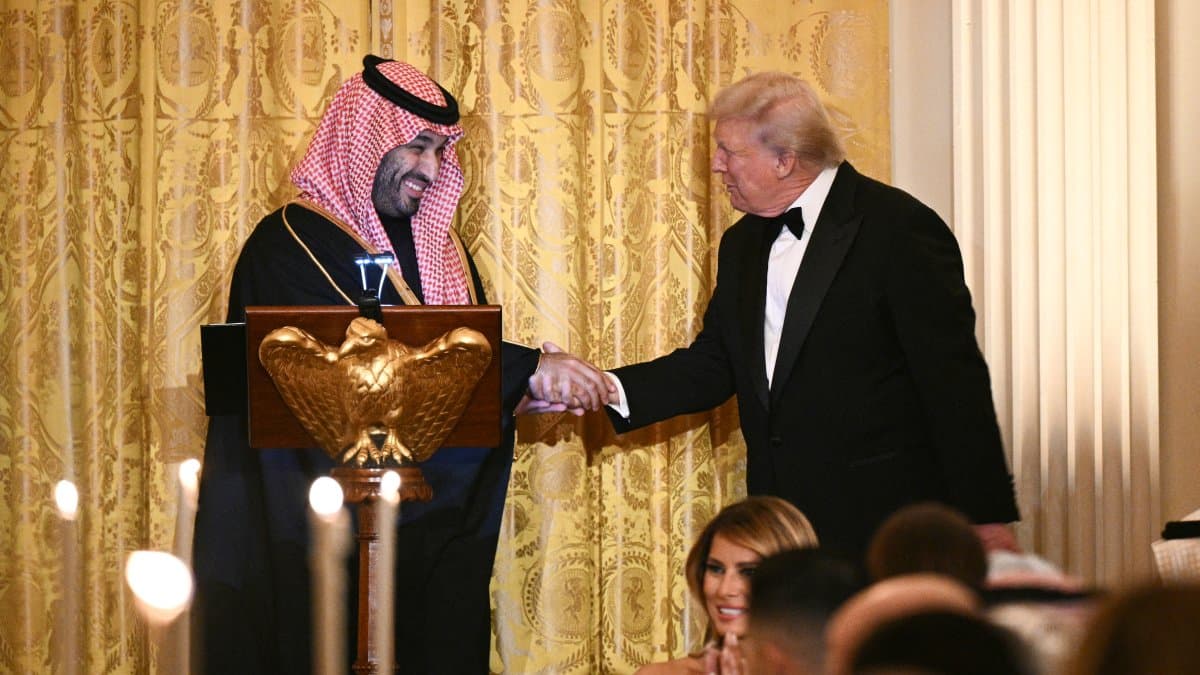
Saudi Arabia wins its nuclear prize: Trump greenlights a 30-year deal that could let it enrich its own uranium
Emmanuel Alejandro Rondón
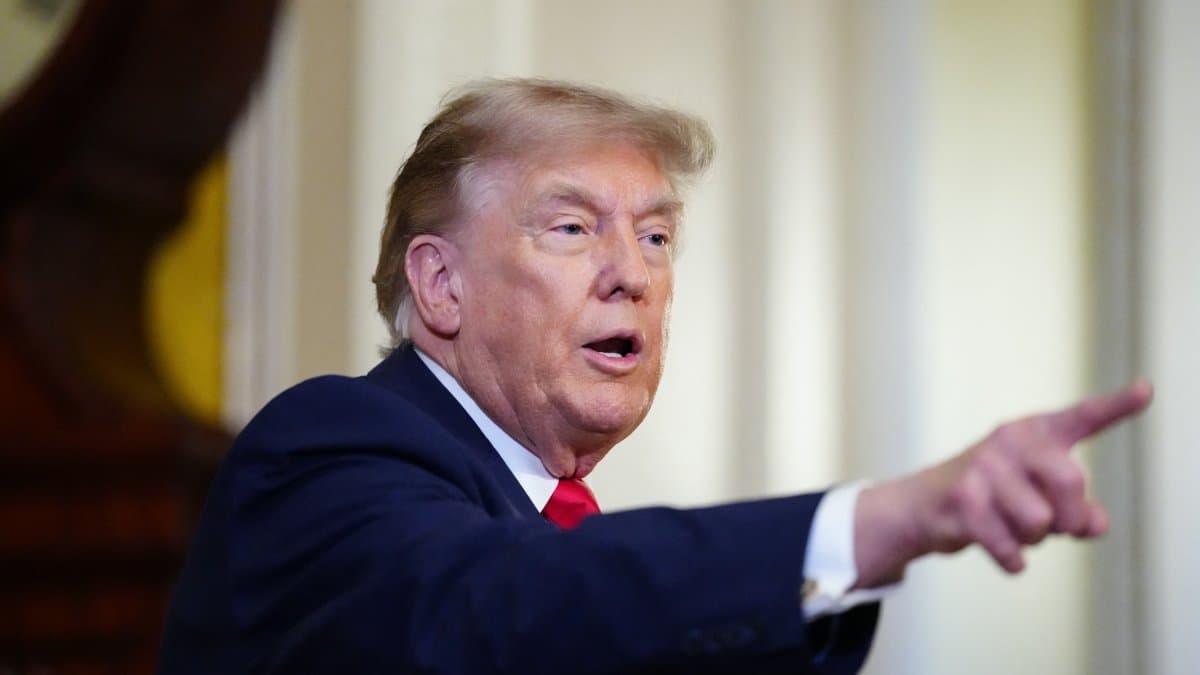
Similarly, Democratic Representative Brad Sherman of California, had called on Congress hours before the signing was announced to approve the pact only "if the deal has the same gold-standard safeguards as our deal with the UAE," and questioned whether Washington should facilitate nuclear proliferation "just because U.S. companies stand to make a profit," while at the same time waging a war against Iran to curb its own nuclear ambitions.
The agreement must now undergo a 90-day congressional review, a mandatory procedure under the Atomic Energy Act for any civil nuclear cooperation with a foreign country. In practice, blocking it is a nearly impossible task, as it would require securing a majority capable of overcoming a presidential veto, which would inevitably necessitate a Republican revolt against Trump just months before the midterms.
While the agreement is causing some concern in Washington, for the U.S. nuclear industry, the pact represents a long-awaited opportunity. Westinghouse CEO Dan Sumner, in remarks to CNBC , described it as a "historic step" that will strengthen energy security and expand opportunities for the sector in the U.S. . Likewise, Jonathan Hinze, president of UxC—a firm specializing in the nuclear fuel market—highlighted the deal: "Without this kind of a nuclear trade agreement, U.S. nuclear companies would remain shut out of the market. The Saudis would likely go with nuclear technology and supplies from other countries, like France, Russia, or China."
Harvard nonproliferation expert Matthew Bunn warned in remarks to NPR about a potential side effect on negotiations with Tehran: "I think it may make negotiating a reasonable deal with Iran more difficult," since Iran would have fewer incentives to accept intrusive inspections if Saudi Arabia does not make equivalent commitments.
The pact had been under negotiation for more than five years. During the Biden administration, it was conceived as part of a broader agreement that included diplomatic normalization between Riyadh and Israel—a possibility that faded following the Hamas on October 7, 2023. Trump chose to detach nuclear cooperation from that requirement, which helped break the deadlock on an agreement that Saudi Arabia had been pursuing for years.
🛠 Do you think there is an error in this article?
Recommendations



LATEST