





Trump imposes new tariffs on 60 countries for failing to combat forced labor
The measure replaces the temporary tariffs that the White House had implemented under Section 122 of the Trade Act, which was used as a stopgap measure after the Supreme Court struck down a large portion of the tariffs announced on so-called "Liberation Day" in April 2025.
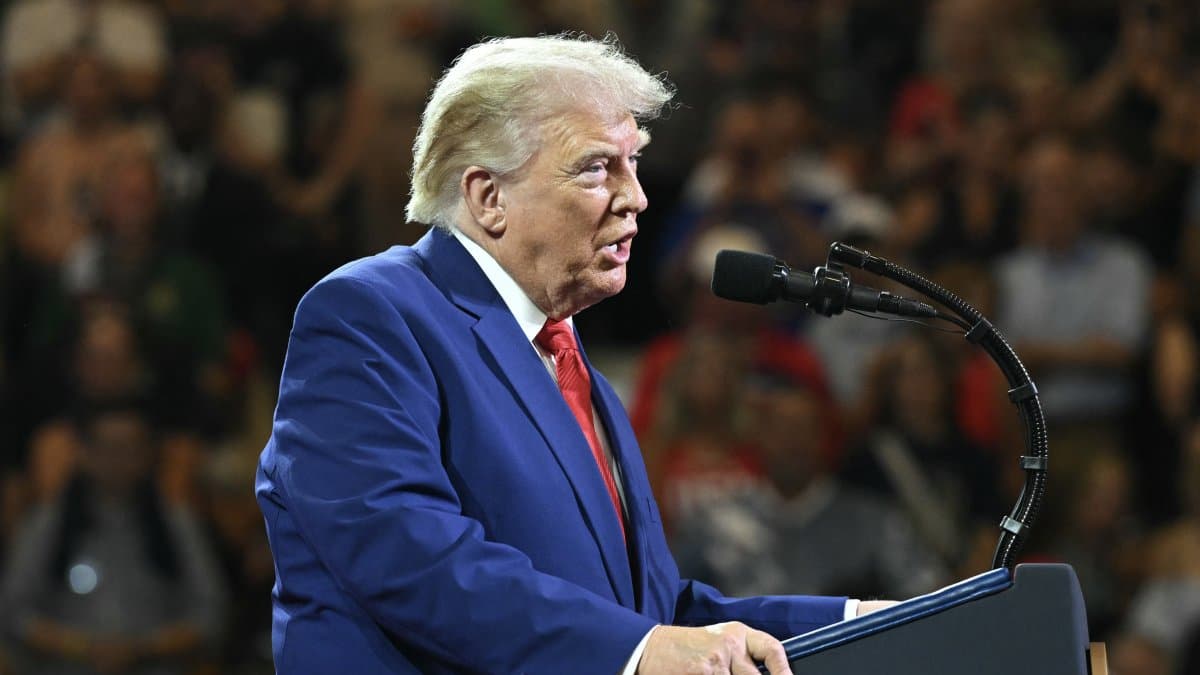

The Trump Administration announced that it will impose new tariffs ranging from 10% to 12.5% on imports from 60 countries, on the grounds that they do not prohibit or adequately enforce the prohibition on exporting goods produced through forced labor. The measure was adopted under Section 301 of the Trade Act of 1974.
The measure replaces the temporary tariffs that the White House had implemented under Section 122 of the Trade Act, which had been used as a temporary solution after the Supreme Court overturned a large portion of the tariffs announced during the so-called 'Liberation Day' in April 2025.
"The United States has had a forced labor import ban for nearly a century, and rigorously enforces it; it’s well past time for our trading partners to do the same," said Jamieson Greer, U.S. Trade Representative, in a statement.
Politics
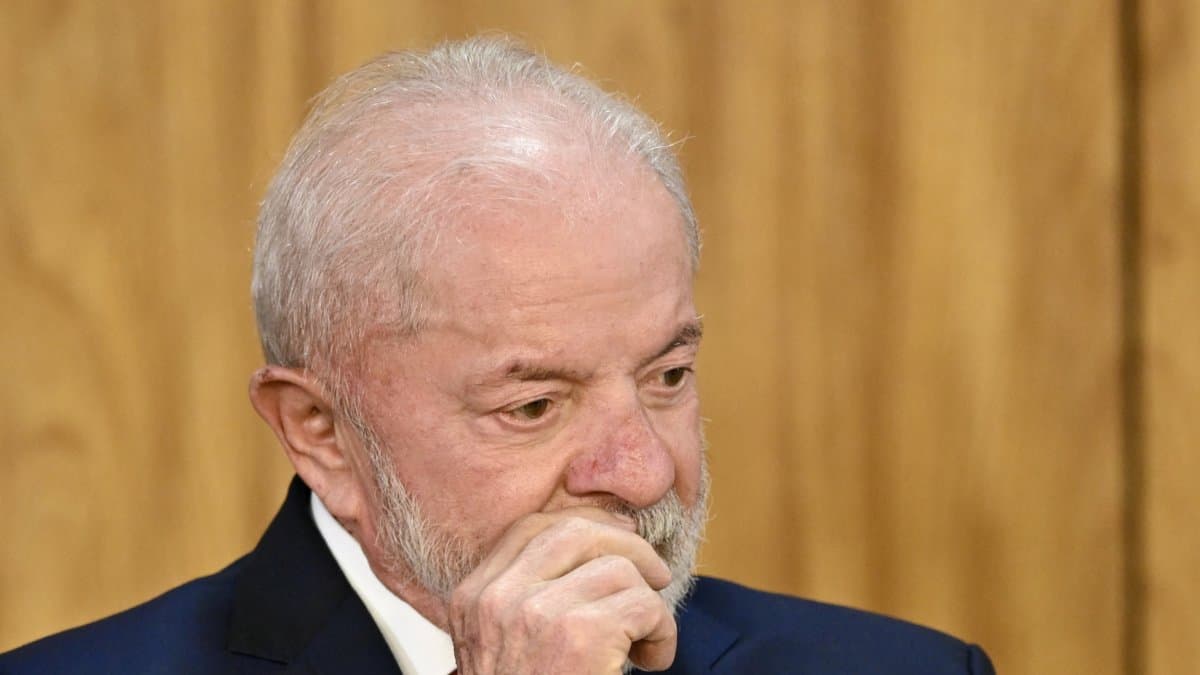
The US imposes a new 25% tariff on Brazil, which has promised to activate its reciprocity law
Williams Perdomo
"Today’s action will begin to correct what is both a human rights abuse and distortive trade practice to improve the welfare of workers everywhere," he added.
The measure affects 60 countries, including Argentina, Brazil, India, Japan, Australia, the United Kingdom, and the European Union.
Greer's office divided the affected economies into two groups. Those that, according to Washington, have demonstrated progress in combating forced labor will face a tariff of 10%. In contrast, those that have made little or no progress will be subject to a tariff of 12.5%.
The measure also provides for a series of exemptions for products considered strategic, including fertilizers and certain types of fuel, whose prices are already under pressure due to the conflict with Iran.
What does Section 301 of the Trade Act of 1974 say?
Specifically, the Executive Branch may invoke it when a foreign country violates trade agreements or engages in practices deemed "unjustifiable," "unreasonable," or "discriminatory."
The Trade Act of 1974 was, in part, Congress' response to what it viewed as a series of excesses by the Nixon Administration.
Section 301 had already served as the basis for the tariffs imposed on China during Trump's first term over disputes related to intellectual property and forced technology transfer.
🛠 Do you think there is an error in this article?
Recommendations

LATEST