






ANALYSIS
Amid review of the USMCA, a report questions more than $1,678 million transferred by Mexico to Cuba
The investigation argues that the weakening of institutional controls allowed for cooperation with Havana marked by a lack of transparency and warns that the hiring of Cuban doctors could create tensions with the labor obligations under the North American trade agreement.
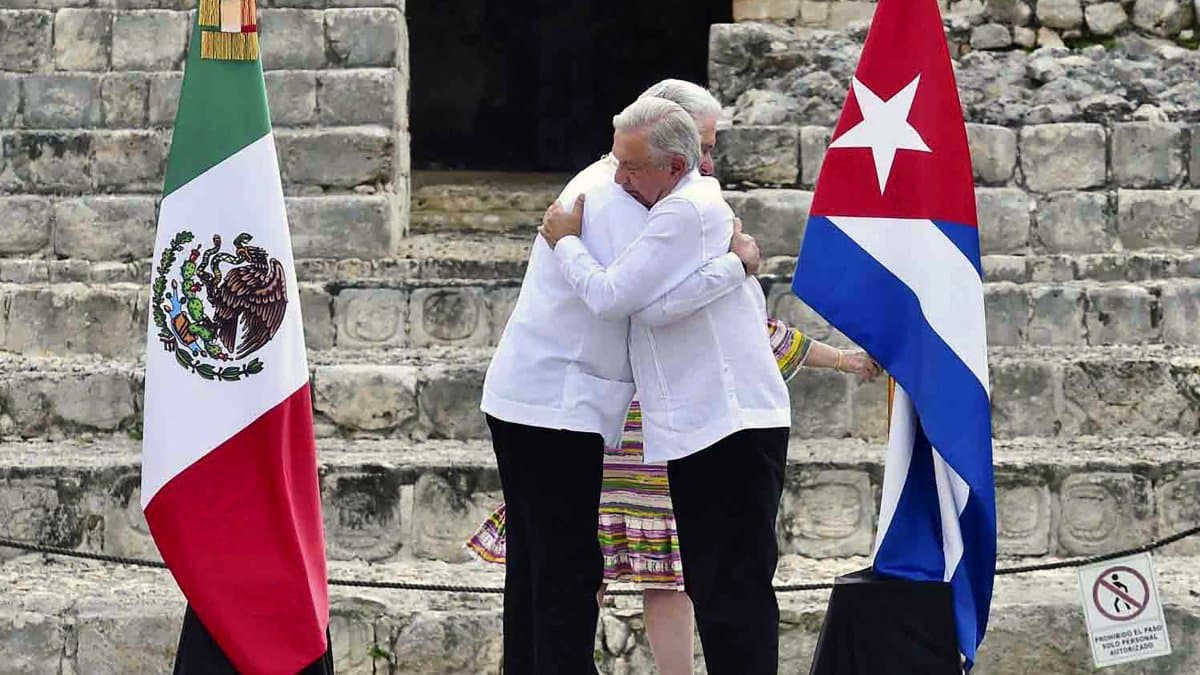

The publication of a new report on cooperation between Mexico and Cuba comes at a particularly sensitive time for North American trade policy. Just two weeks after the formal review of the United States-Mexico-Canada Agreement (USMCA), an investigation presented in Mexico City claims that the Mexican government transferred resources equivalent to more than $1,678 million in oil and humanitarian aid to the Cuban regime, in addition to billions of pesos for hiring Cuban doctors, in a scheme that, according to its authors, operated without independent oversight or effective accountability mechanisms.
The study "Mexico-Cuba Agreements: A Legal Framework Without Checks and Balances or Accountability," prepared by Consorcio Justicia, argues that the deterioration of transparency and oversight institutions in Mexico allowed for the consolidation of a cooperative relationship with Havana characterized by opacity, a lack of public oversight and the concentration of decision-making within the executive branch.
Politics
US refuses to renew USMCA under current terms and asks for more time to renegotiate
Carlos Dominguez
The report comes as the review of the USMCA begins
The context in which the document appears has not gone unnoticed.
On July 1, 2026, the six-year review provided for in Article 34.7 of the officially began, after the treaty's Free Trade Commission held the first mandatory evaluation of the agreement. During that meeting, the United States chose not to support its automatic extension for another 16 years, a decision that triggered a process of annual reviews among the three countries until a consensus is reached on the treaty's future or, failing that, its expiration in 2036.
Since then, officials from Mexico and the United States have begun a new round of political and technical meetings to address various trade, labor, and economic security issues that are part of the review process.
Although the report does not claim that cooperation with Cuba is part of the USMCA's official agenda, its authors believe that one of the most significant provisions, the hiring of Cuban medical brigades, which is considered slave labor, and the export of personnel to other countries, could conflict with the labor commitments Mexico has made under the treaty.
More than $1.5 billion in oil
The report identifies three major areas of cooperation between the two governments.
The first relates to the energy sector.
Based on reports filed by Petróleos Mexicanos (PEMEX) to the U.S. Securities and Exchange Commission (SEC), researchers estimate that between 2023 and 2025, Mexico shipped oil to Cuba worth more than $1.5 billion.
According to the study, these shipments failed to reverse the island's energy crisis, where prolonged power outages and a sustained deterioration of the electrical grid continue to occur.
Further background
According to that report, the cumulative value of oil shipments exceeded 3 billion dollars, based on customs records and shipping reports from PEMEX.
Billions of pesos for Cuban doctors
The second focus of the investigation analyzes the health agreements signed between the two countries.
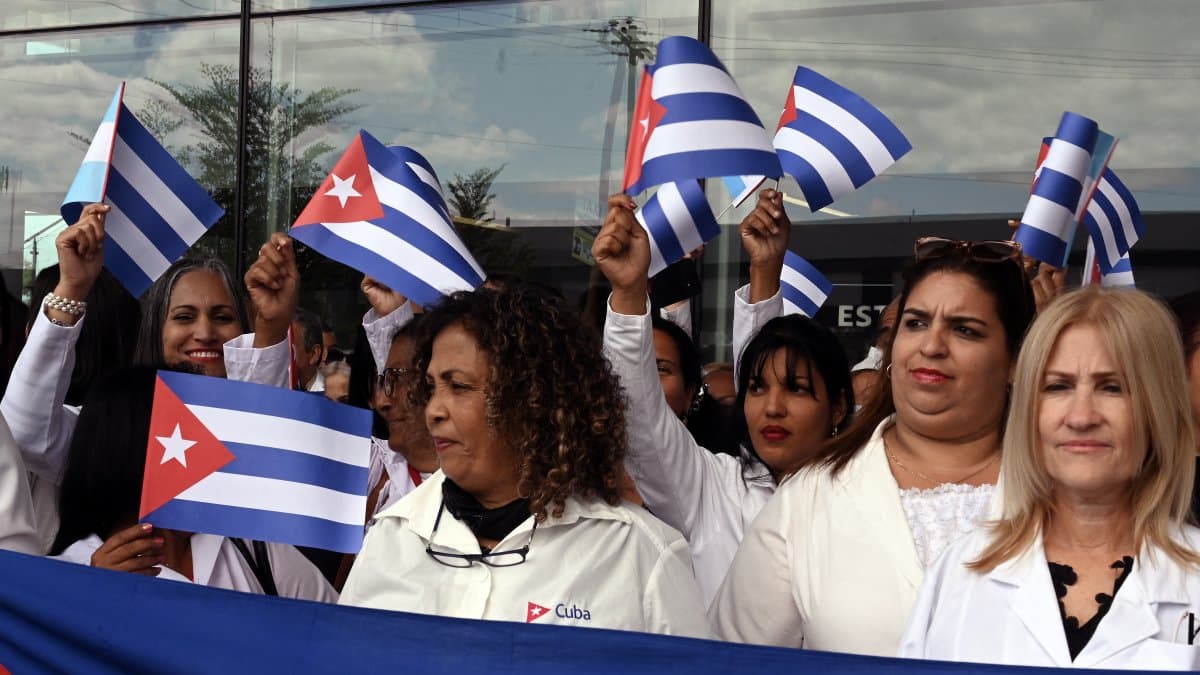
The authors estimate that Mexico hired more than 3,600 Cuban doctors between 2022 and 2026 through the IMSS-Bienestar program, at a cost exceeding 2.5 billion Mexican pesos (more than 143 million dollars).
Added to that figure are 1,576 million pesos (more than 90 million dollars) allocated for the purchase of medicines produced in Cuba and more than 2,000 million pesos (more than 115 million dollars) to cover lodging, meals, and transportation for healthcare personnel.
The document notes that various international organizations, independent experts and United Nations rapporteurs have for years questioned the model for exporting Cuban medical services due to allegations of possible forced labor, passport retention, restrictions on movement, and the confiscation of a substantial portion of the professionals' salaries.
According to the report, the Cuban regime withholds between 75% and 95% of the remuneration agreed upon with the host countries.
Humanitarian aid with conditions
The third area of cooperation involves humanitarian assistance.
The investigation documents the shipment of more than 4,800 metric tons of aid since February 2026, in addition to a donation of nearly $35 million earmarked for the Sembrando Vida program in Cuba.
One of the findings highlighted by the authors is that, according to documents from the Mexican Foreign Ministry, it was the Cuban government itself that requested that information related to these shipments be classified for five years to prevent it from "inciting" dissident sectors, a request that, according to the study, was accepted by Mexican authorities.
The dismantling of checks and balances
The researchers argue that the dissolution of the National Institute for Transparency, Access to Information, and Protection of Personal Data (INAI), along with the ruling party's control of Congress and reforms to the judiciary, significantly reduced the mechanisms for overseeing international agreements.
In this context, they assert, cooperation with Cuba was able to proceed without independent audits or effective legislative debate.
GAESA and the expansion of Cuban "sharp power"
The study further argues that the main economic beneficiary of these agreements is GAESA, the business conglomerate administered by the Revolutionary Armed Forces of Cuba, which controls broad strategic sectors of the island's economy.
The researchers also argue that Havana has taken advantage of Mexico's institutional weakness to expand its influence through "sharp power" strategies, understood as mechanisms for political and institutional penetration and the building of influence.
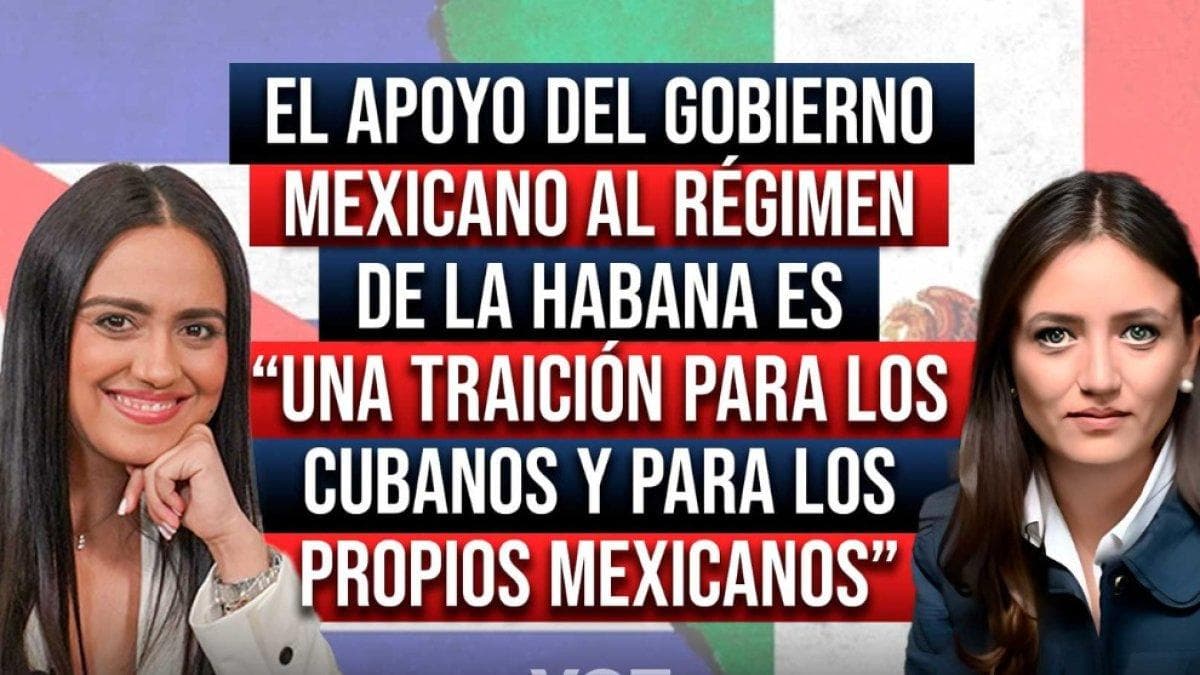
Among the examples cited are the agreement signed in May 2025 between Morena and the Communist Party of Cuba, the contents of which have not been made public.
Possible implications for the trade agreement
The authors recommend reestablishing an independent body for access to information, strengthen legislative and judicial oversight of international agreements, conduct independent audits, and document alleged cases of forced labor linked to Cuban medical missions with the Inter-American human rights system.
🛠 Do you think there is an error in this article?
Recommendations



LATEST