Hungary's new prime minister draws a line for Netanyahu: visit the country and face arrest under ICC warrant
Péter Magyar, Viktor Orbán's successor, announced that he will halt the process of Hungary's withdrawal from the International Criminal Court, reversing one of the decisions of his predecessor and former ally.
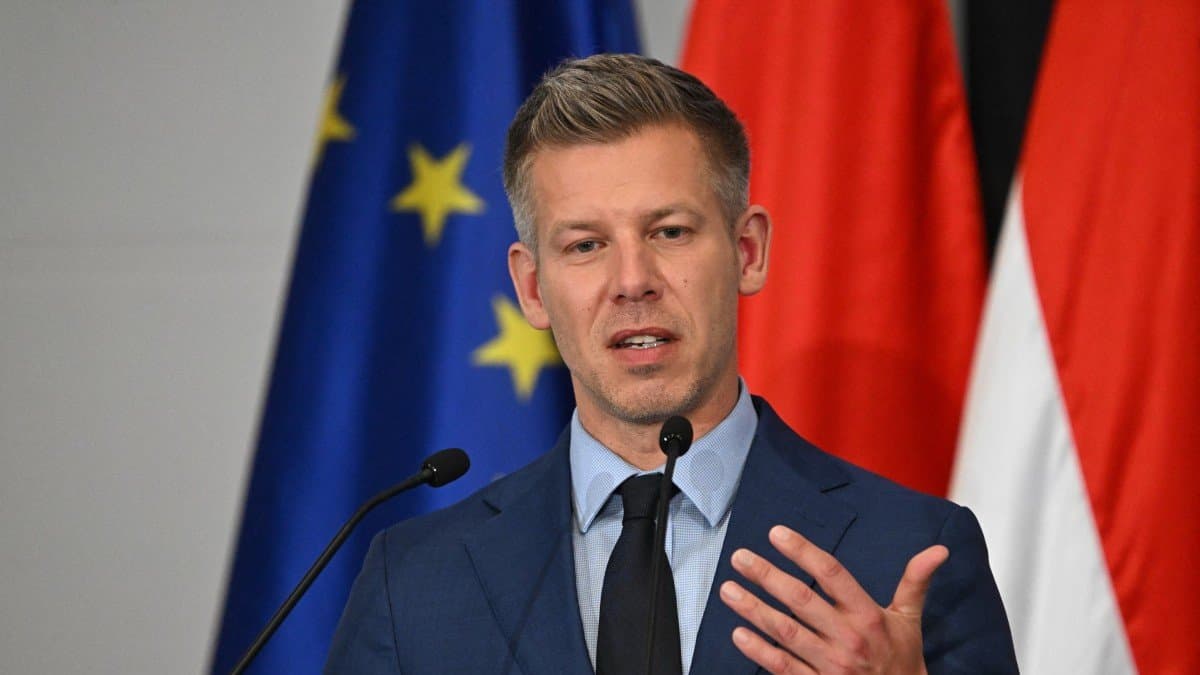

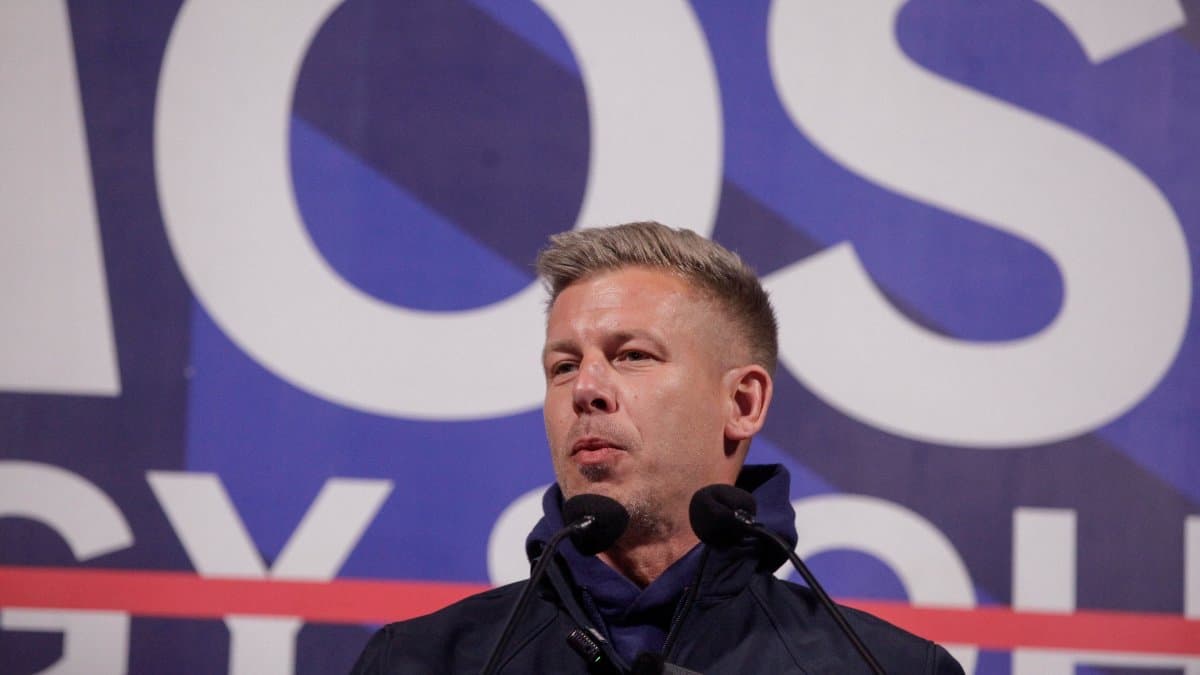
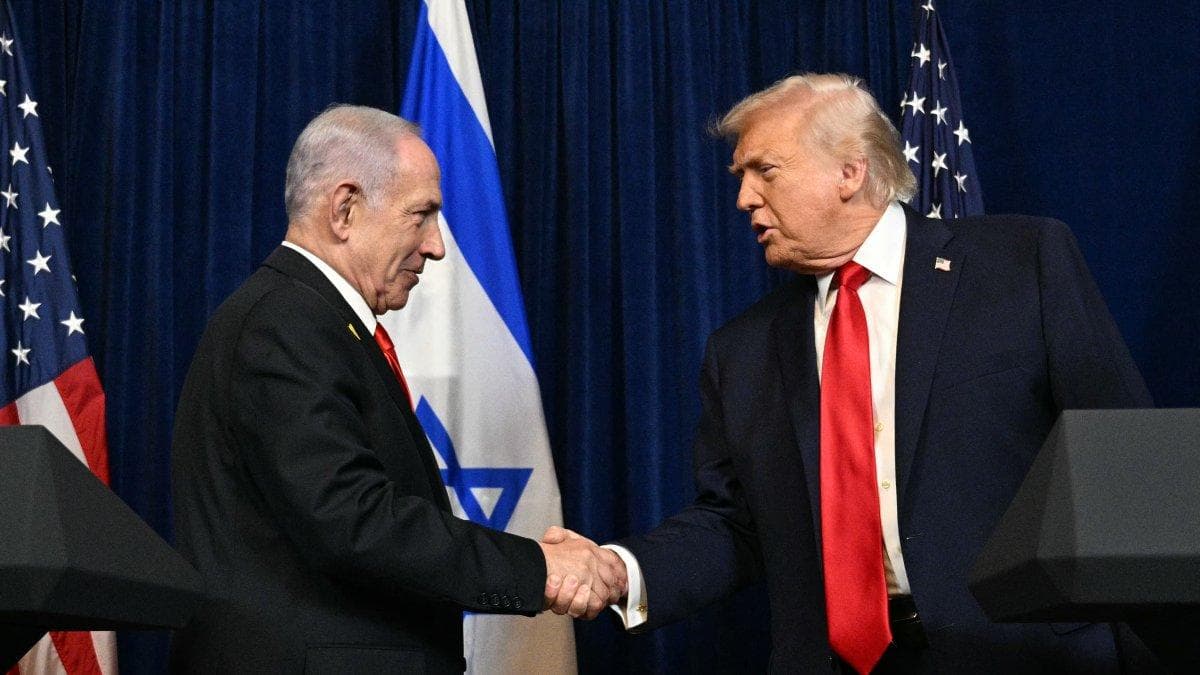
Viktor Orbán's successor in Hungary was quick to distance himself from his predecessor. Péter Magyar, Hungary's newly elected prime minister-elect, warned Monday that Benjamin Netanyahu will be taken into custody if he visits the country, as the Israeli prime minister is the subject of an arrest warrant issued by the International Criminal Court (ICC) in November 2024 for, according to the body, alleged war crimes and crimes against humanity. Israel has rejected the allegations.
Magyar told reporters that he will reverse Orbán's decision to withdraw from the ICC and said he already warned Netanyahu about what his country will do in the event of a visit.
"I made this clear to the Israeli prime minister as well … it is the Tisza government’s firm intention to stop this and ensure that Hungary remains a member of the ICC," Magyar said. "If a country is a member of the ICC and a person who is wanted by the ICC enters our territory, then that person must be taken into custody."
The warning is especially significant because Netanyahu has already accepted an invitation to visit Hungary this fall. The question now is whether that visit will happen under the new conditions, with Magyar promising an arrest.
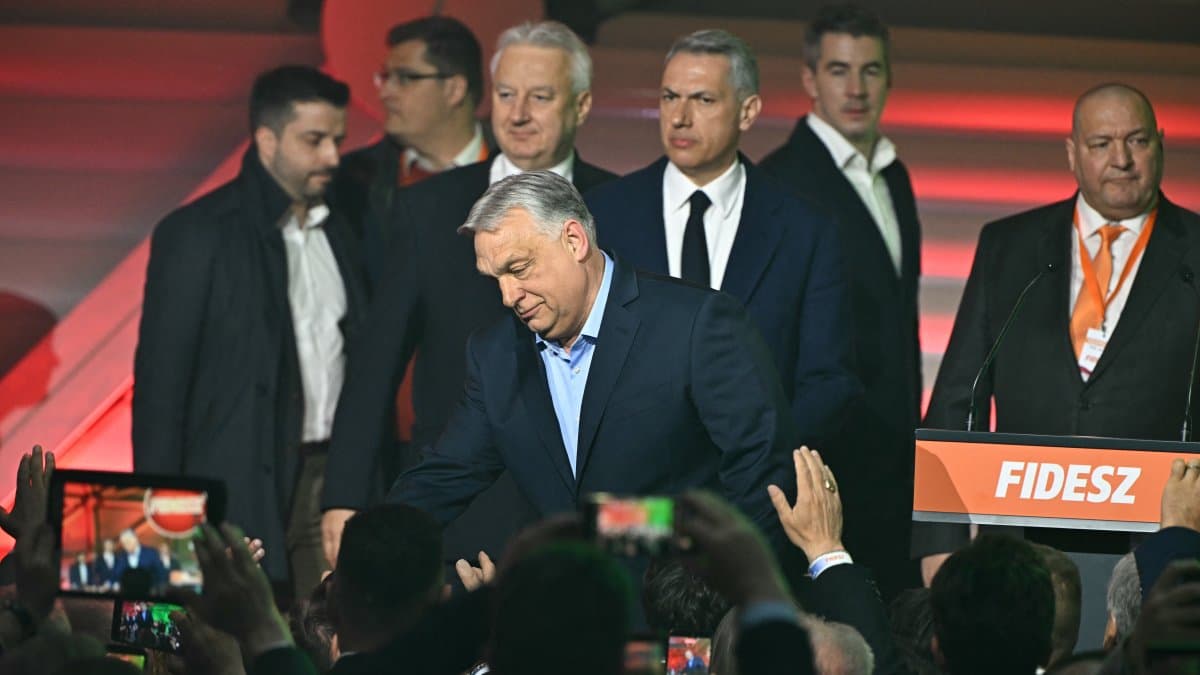
Magyar's decision represents a radical departure from Orbán. In April 2025, Netanyahu visited Budapest and the former prime minister not only refused to arrest him but also announced Hungary's withdrawal from the ICC and guaranteed the Israeli leader immunity. It was a defiant gesture toward the international court and toward European allies who had pressed Hungary to fulfill its obligations as a member state.
Magyar, however, promised that he would cancel the ICC exit process by June 2, the date that would mark one year since Hungary formally filed its notice of withdrawal with the UN secretary-general, which according to the court's statute is the minimum deadline for withdrawal to take effect.
Magyar's position, however, is complex. Several European countries have argued that it is possible to remain a member of the ICC without being obliged to execute the arrest warrant against Netanyahu. France, for example, pointed out that doing so would contravene other bilateral agreements with Israel, relying on Article 98 of the ICC statute, which states that a state may not act in a manner inconsistent with its international law obligations regarding diplomatic immunity.
Germany and Italy followed a similar line. Then-Chancellor Olaf Scholz said in 2025 that he could not imagine his country arresting Netanyahu, and Italy also granted him immunity during his time there.
Magyar, however, seems willing to go further than his European peers, at least in the eyes of the press.
🛠 Do you think there is an error in this article?
Recommendations


LATEST