






ANALYSIS
Henry Nowak case: The painful awakening of British society to racism
The death of Henry Nowak, a young white man handcuffed and treated as a suspect as he lay dying after being stabbed, has rocked the U.K. with protests and forcefully reopened the debate over diversity and "racial equity" policies in British policing.

The tragic case of Henry Nowak, a white boy who died in Southampton after being stabbed by a Sikh man and who was arrested and handcuffed as he lay dying on suspicion of racism, has shaken British society and put the spotlight on the long-term consequences of the controversial Macpherson Report.
Society
'I can’t breathe': The ominous silence of George Floyd's mourners in the Nowak Case
Carlos Dominguez
The report, published in 1999 following the murder of young black British male Stephen Lawrence, concluded that the London Metropolitan Police was "institutionally racist." The paper recommended sweeping reforms to combat racism within law enforcement and changed the way racial incidents were recorded and investigated in the U.K. It has since become the basis for many diversity, equity and inclusion (DEI) policies implemented in British policing.
According to Allister Heath, editor of The Sunday Telegraph, the aforementioned report marked the entry of critical race theory (CRT) into the United Kingdom. As a consequence, instead of advocating that race should be irrelevant, businesses, schools and police have become more obsessed with it, prioritizing skin color over individual character, something that still severely affects policing today.
Conservative activists and politicians demand an end to racial bias in policing
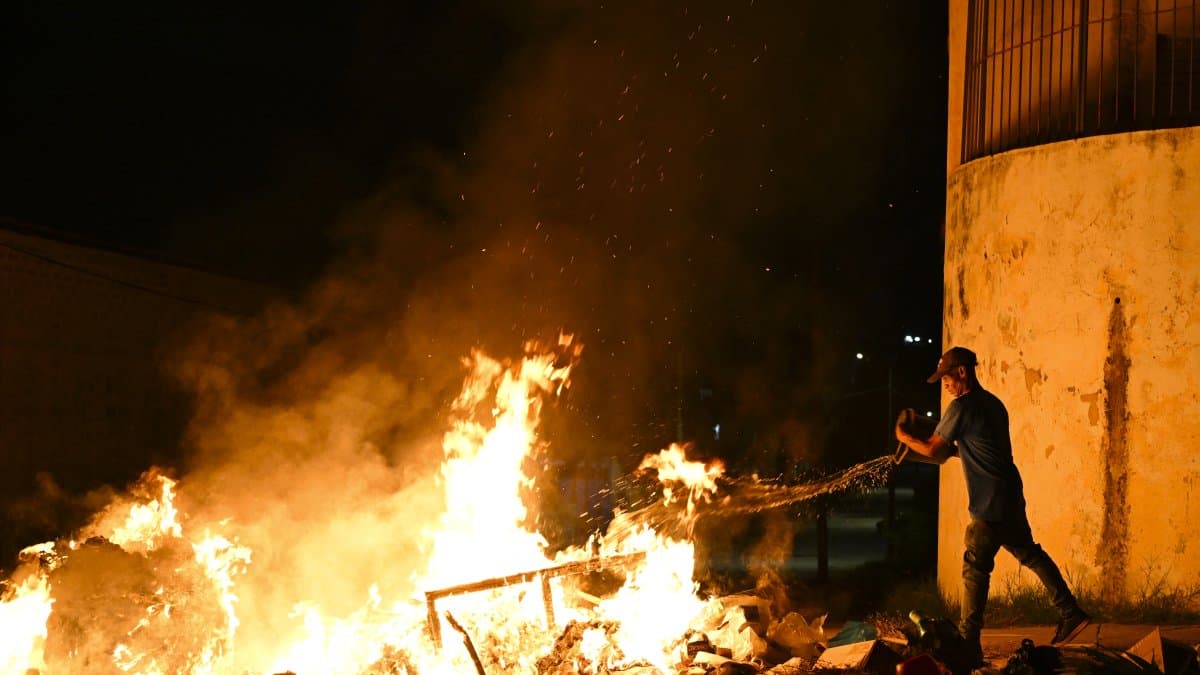
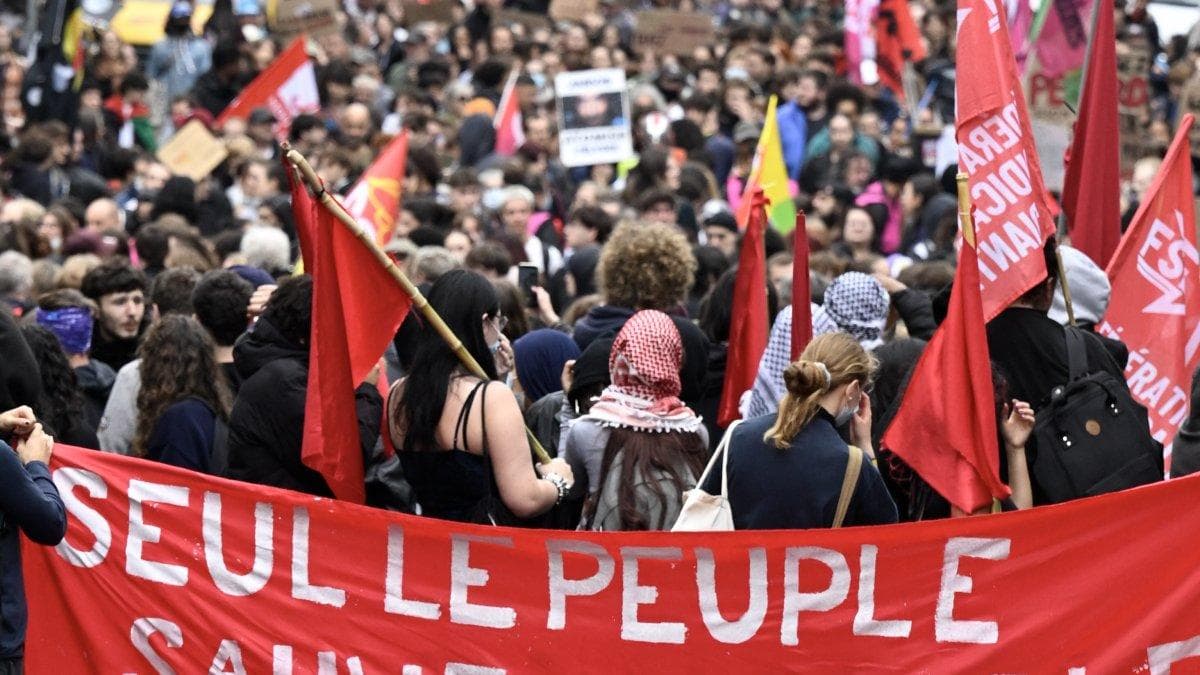
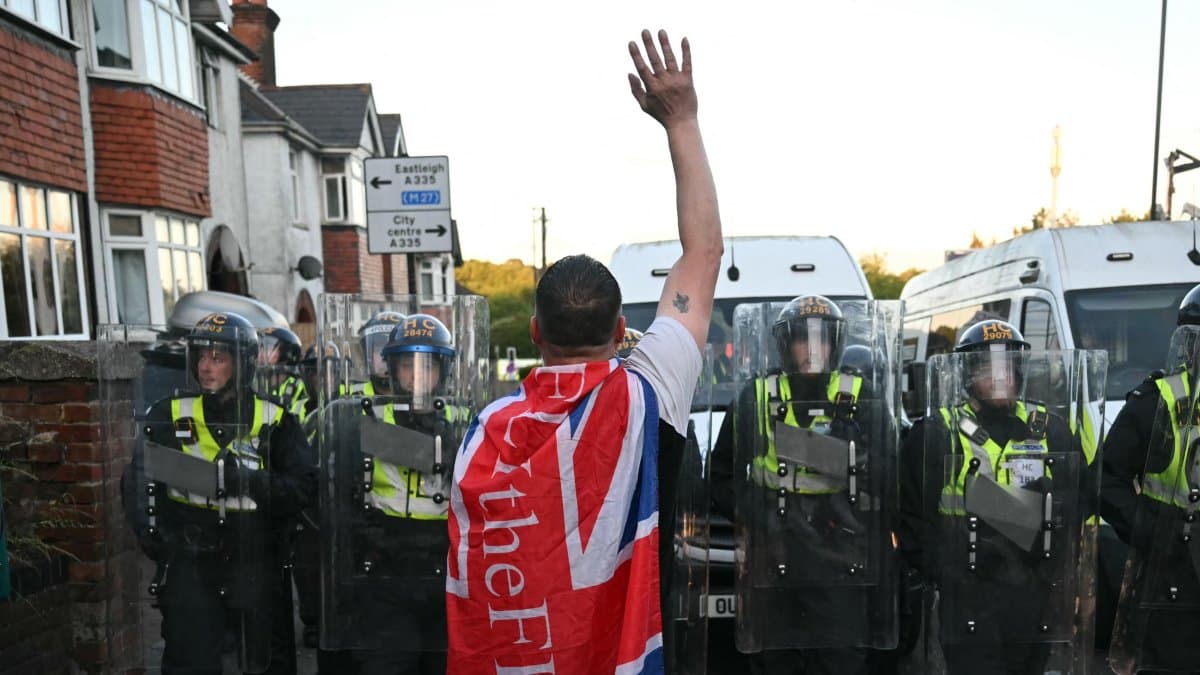
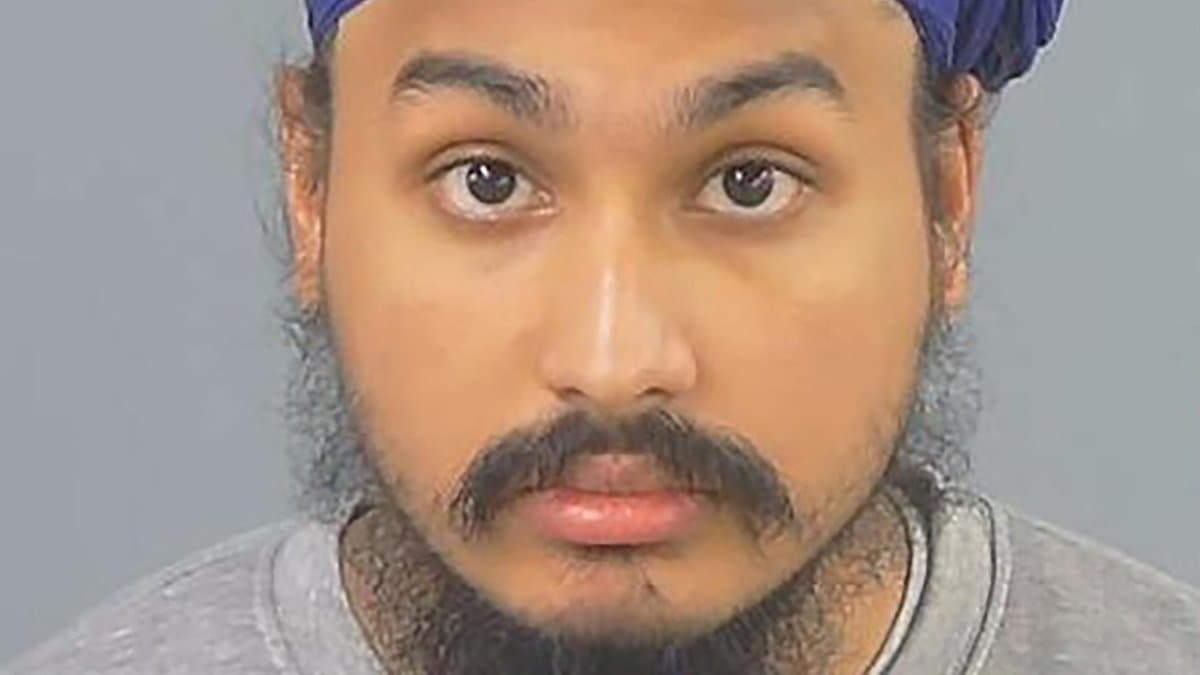
Following the conviction of Vickrum Digwa for the murderer of Henry Nowak, riots have intensified in recent hours with violent clashes between protesters and law enforcement. According to videos circulating on social networks, protesters lashed out at police with bottles, bricks and trash cans, while chanting "Henry, Henry," in support of the brutally murdered young man.
The protests began Tuesday night outside Southampton Central Police Station and quickly spiraled out of control. Prominent among the leaders of the demonstrations was Tommy Robinson, a right-wing activist known for his criticism of British immigration policy, along with Laurence Fox and other figures from across the conservative political spectrum.

Robinson denounced Thursday that "the overwhelming majority of violent attacks in the country target white people, yet this crisis is largely ignored by government and media." According to the activist, police policies and systemic failures "continue to fail victims," which, in his opinion, reflects an institutional bias that leaves the white community unprotected in the face of increasing violence.
The Reform UK leader, Nigel Farage, claimed in a video posted Tuesday on social media that the murder is evidence of the existence of "a two-tier Britain," alluding to the double standard that, according to him, prevails in the United Kingdom.
The high cost of DEI policies in British policing
According to The Telegraph, after the assassination of George Floyd in Minneapolis in 2020, which sparked the Black Lives Matter (BLM) movement, British police leaders accelerated the adoption of "race action" measures.
In 2022, the National Police Chiefs' Council (NPCC) and the College of Policing launched a national anti-racism plan in which they expressly cited Floyd's death as a "catalyst" for addressing "social injustice" in the United Kingdom, directly linking that U.S. case to the Macpherson Report on the murder of Stephen Lawrence.
In its 2025 update, the race action plan went even further by explicitly promoting the concept of "equity" over "equality." The paper notes that equity "does not mean treating everyone ‘the same’ or being ‘colour blind’ (racial equality)," which in practice means treating people differently based on their ethnicity.
How the focus on diversity is crippling British policing
This development has generated growing criticism. David Spencer, a former Met detective chief inspector and current director of crime and justice at Police Exchange, warns that this approach represents "an implicit rejection of policing’s foundational principle ‘to police without fear or favour’ and has the potential to cause a widespread collapse in consent for policing."
World
UK outrage: Labour's 'moral panic' allowed cover-up of child sex grooming gangs
Carlos Dominguez
Other critics argue that these policies have created a climate of fear among officers of being branded as racist and have contributed to the permissiveness with which certain grooming gangs operate in the U.K.
A report published in 2025 revealed that there were systemic failures and institutional cover-ups in the prosecution of a myriad of crimes committed by these groups, mostly of Pakistani origin, who have for many years sexually exploited underage children in the U.K.
🛠 Do you think there is an error in this article?
Recommendations



LATEST