ANALYSIS
Check-out in Havana: The business exodus that threatens Cuba's last great foreign exchange engine
In just a few weeks, some of the largest foreign companies present on the island have begun to reduce operations, abandon hotels or rethink investments that for years seemed strategic.
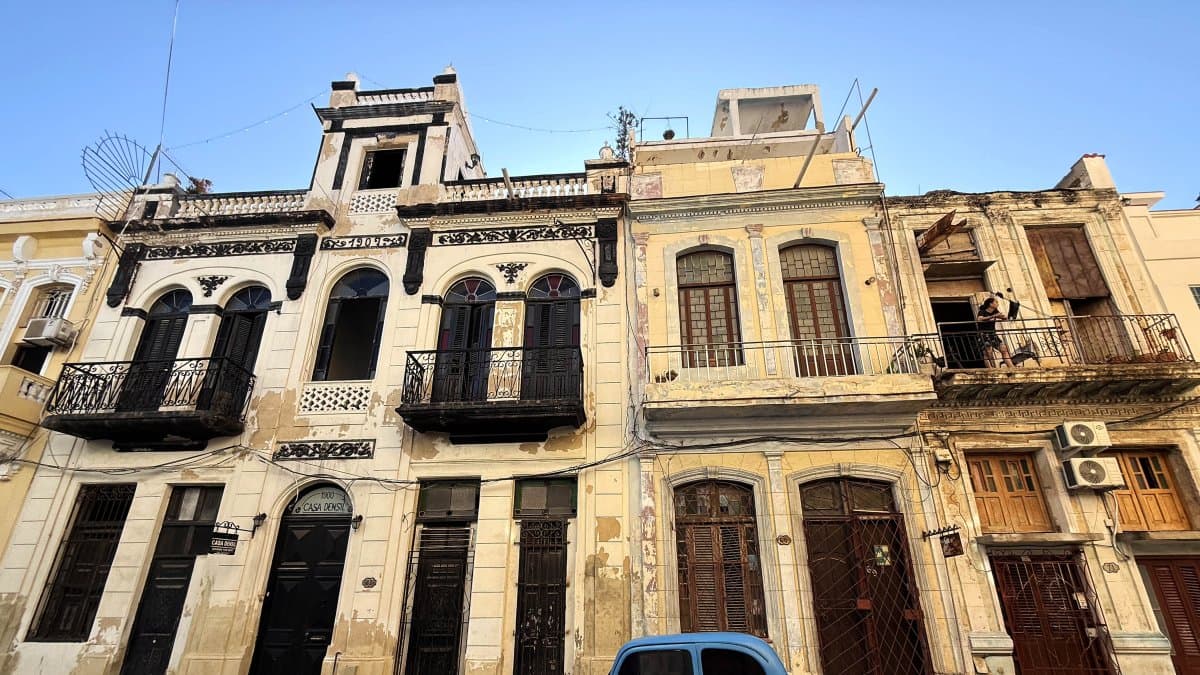

For more than three decades, Cuba was presented as one of the Caribbean's most promising spots for tourism. As much of the economy deteriorated, this became the main source of foreign exchange and the great hope of recovery for the regime. The strategy seemed simple: build hotels, attract foreign visitors and compensate with tourism revenues the structural weaknesses of the rest of the economy.
However, something has changed.
What for years was a steady trickle of problems has been transformed into a succession of business decisions pointing in the same direction. In just a few weeks, some of the largest foreign companies present on the island have begun to reduce operations, abandon hotels or rethink investments that for years seemed strategic.
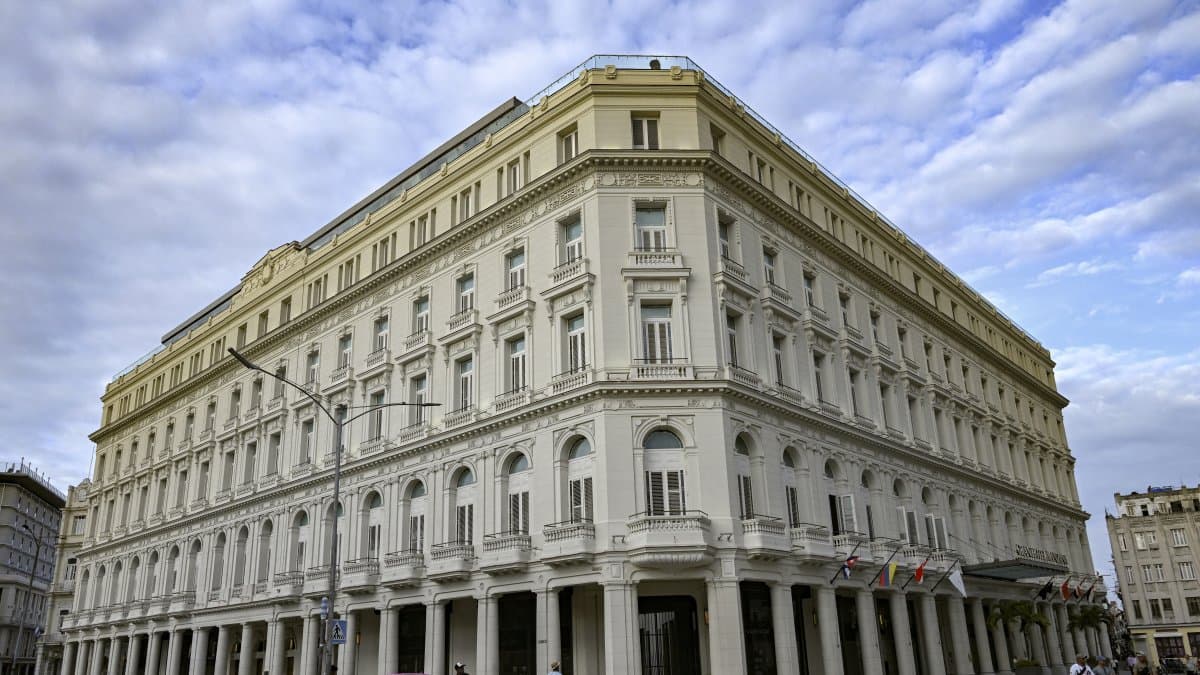
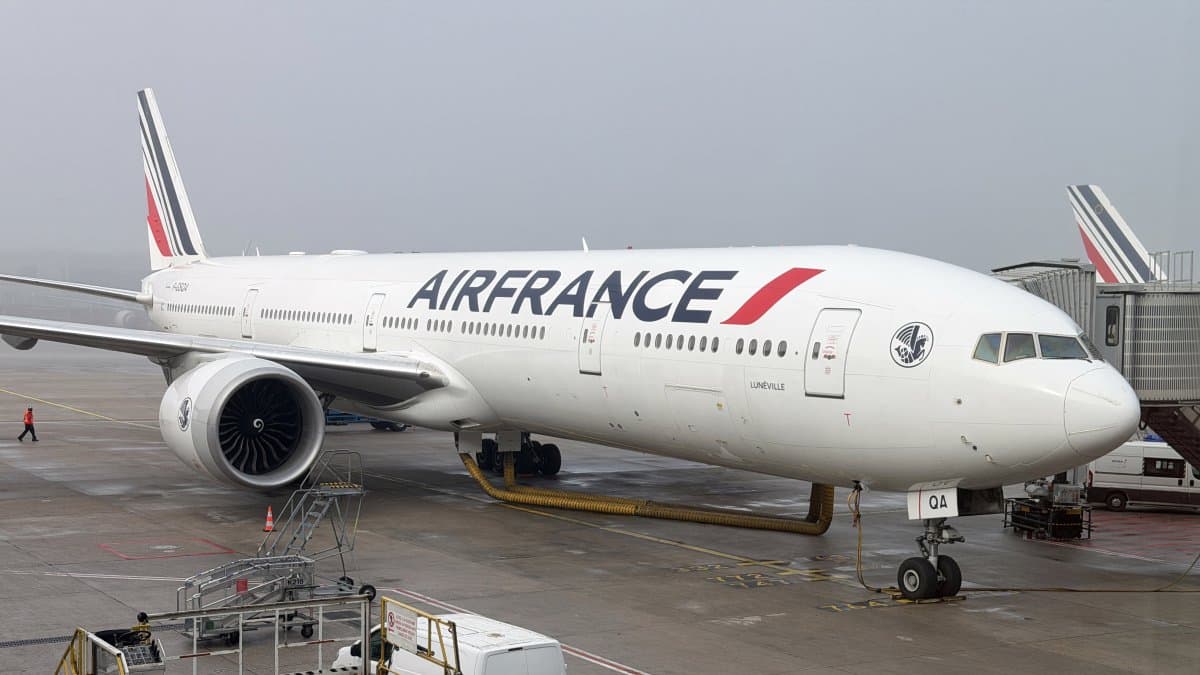
The most symbolic news came on June 3, when Meliá Hotels International announced the immediate departure of 15 Cuban hotels. Reuters revealed that the decision had been communicated to the owners days earlier and responded to deterioration of the geopolitical, legal and economic environment on the island.
It was not just any withdrawal. It was that of the company that best symbolized the international bet on tourism in Cuba.
Politics
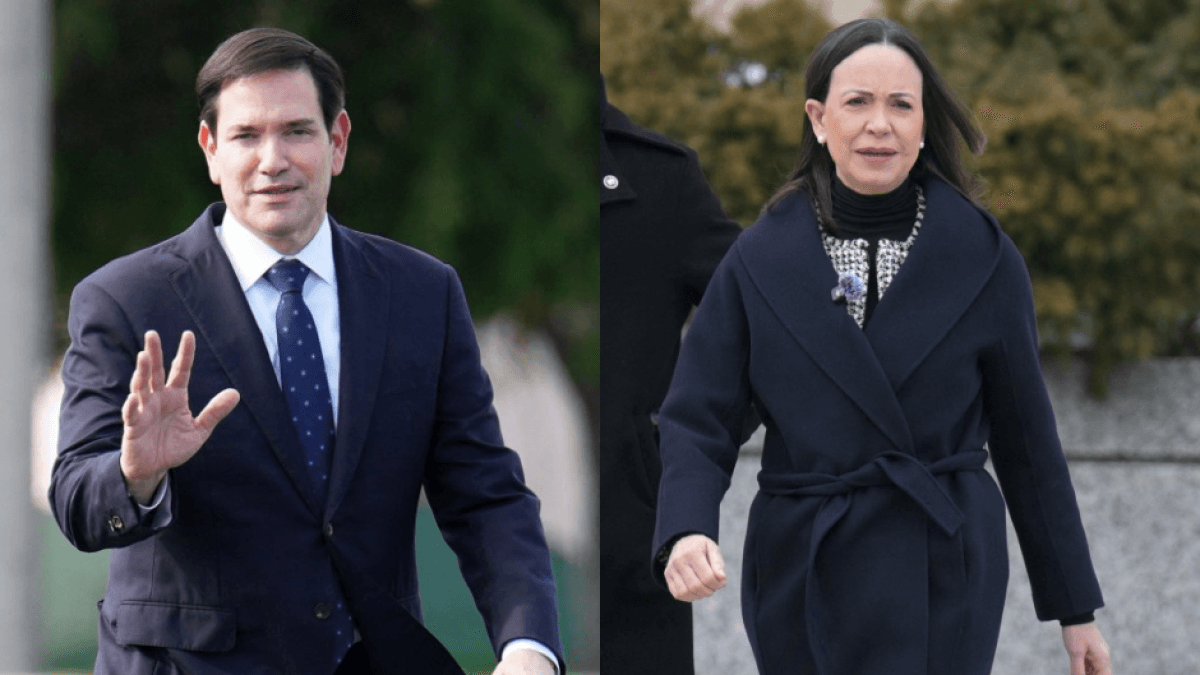
Maximum pressure against Cuba: the United States extends sanctions against the regime's leadership and intelligence apparatus
Andrés Ignacio Henríquez
The domino effect
Meliá's decision did not come in a vacuum.
Just a few days earlier, Iberostar had stopped managing 12 hotels linked to entities affected by the new U.S. sanctions. Almost simultaneously, Canada's Blue Diamond Resorts began its total exit from the Cuban market, abandoning a network of establishments that included some of the most important tourist complexes on the island.
The Aston chain, which belongs to the Archipielago International group, also announced its exit from Cuba, leaving six hotels in several tourist resorts on the island without operators. The group, with headquarters in Southeast Asia and more than 200 establishments worldwide, now leaves a line of rooms, one of the most luxurious in the country, without a clear horizon.
Separately, each announcement could be interpreted as an ordinary business decision. Together they form a much more disturbing picture.
For the first time in decades, several big hotel chains are reducing exposure at the same time, driven by a combination of factors that goes far beyond immediate financial results.
The GAESA factor
The most visible trigger appeared on May 1, 2026.
On that day, the Trump administration signed a new executive order that significantly expanded the sanctions on Cuba and on entities linked to the military conglomerate GAESA, considered by numerous analysts as the country's real economic powerhouse.
The importance of GAESA is difficult to exaggerate.
Through a complex network of companies, the group controls a good part of the hotels, marinas, foreign exchange stores, logistics services, real estate, ports and financial activities linked to tourism.
For years, foreign companies accepted to live with this reality. The new sanctions have upset that balance.
For hotel groups with global interests, the possibility of being exposed to regulatory risks in the United States has radically changed the equation.
A pre-sanctions crisis
But to reduce everything that has happened to Washington would be a mistake. The sanctions have accelerated a crisis that already existed.
Official data from the National Statistics and Information Office show that Cuba closed 2025 with just 1.81 million international visitors, a figure that reflects a decline of nearly 18% over the previous year and is far from pre-pandemic levels.
The problem is even more serious when looking at recent developments.
During the first months of 2026, international arrivals continued to fall while blackouts, fuel shortages and logistical difficulties became a constant.
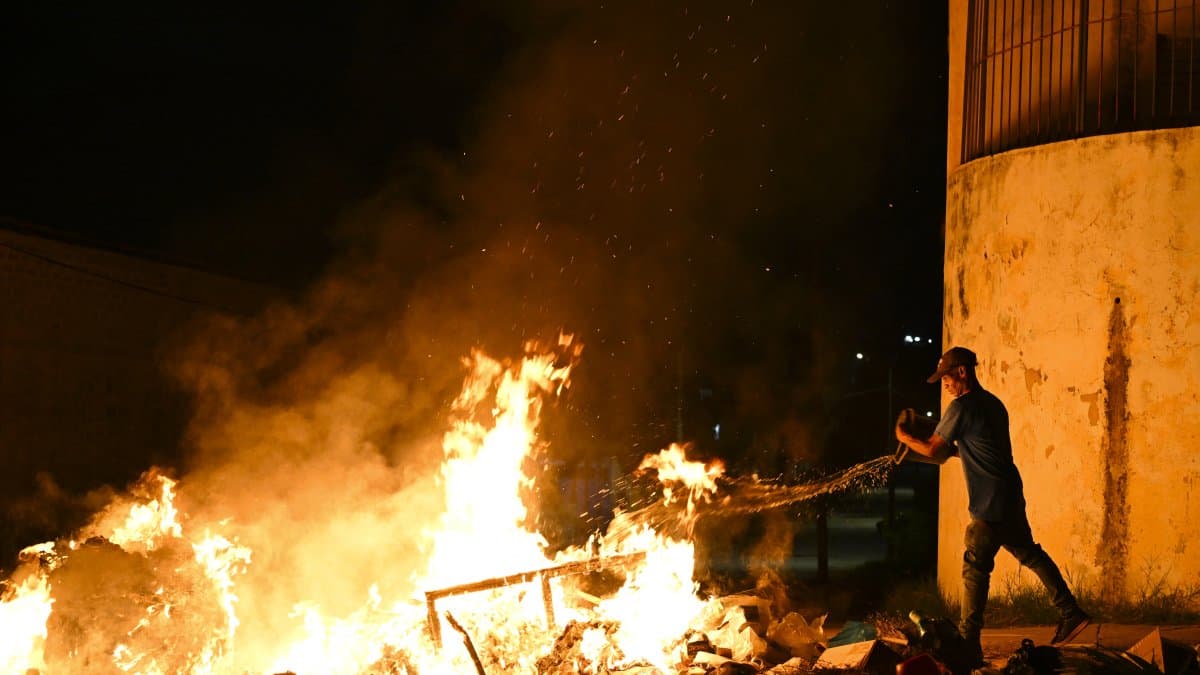
The result can be seen in numerous tourist poles of the island: half-empty hotels, facilities temporarily closed and operators forced to concentrate clients to reduce costs.
Tourism not arriving
The logic was simple: more hotels meant more tourists. The reality ended up being different. While hotel capacity continued to grow, demand began to stagnate and subsequently to fall.
Today Cuba has more rooms than it needs for the actual volume of visitors it receives. That contradiction has become one of the sector's biggest structural problems.
When the planes stop coming
The tourism crisis does not end at the hotels. Without air connectivity there is no tourism.
During the last few months several companies have reduced frequencies or suspended operations to Cuba. Fuel problems, operational restrictions and an increasingly complex economic environment have been added to the difficulties derived from demand.
Among the most significant cases are the withdrawal of Swiss airline Edelweiss and German airline Condor from their routes to Havana, Varadero and Holguin, as well as the departure of World2Fly from the connection between Spain and Cuba. This is in addition to the temporary suspensions announced by companies such as Air Canada, Air Transat, WestJet, Rossiya and Nordwind during the fuel crisis that hit the island in early 2026.
Cubana de Aviación itself, Iberia and other major airlines, historic in their relationship with Cuba, are also on the list of flight suspensions to the island.
Every canceled flight means fewer visitors. Every visitor lost means less income for hotels, restaurants, cabs and businesses. The spiral feeds back on itself.
Visa and Mastercard Cease Operations in Cuba
This comes in addition to a recent announcement by the Central Bank of Cuba, which reported that, due to U.S. sanctions, the international financial services companies Visa and Mastercard will no longer operate on the island.
According to the BCC, a foreign private bank that handled international transactions informed them of its decision to end its relationship with Fincimex, a financial entity belonging to GAESA, in order to avoid exposure to U.S. sanctions.
“Cuba is unable to receive revenue from the sale of goods and services through internationally recognized payment cards such as Visa and Mastercard,” the BCC said in a statement.
Sherritt and the limit of patience
If hotel companies represent the thermometer of tourism, Sherritt International reflects the situation of the rest of the economy.
The Canadian company has been operating for decades in sectors considered strategic by Havana: nickel, cobalt, oil and power generation.
Few foreign firms have maintained such a long-standing relationship with Cuba. That is precisely why its recent moves are especially revealing. Following the new U.S. sanctions, the company announced extraordinary measures to protect its operations and even explored alternatives to reduce risks on the island.
When even one of the historical partners begins to rethink its position, the signal for the rest of the investors is hard to ignore.
The question that worries Havana
What has happened in recent weeks goes far beyond the tourism sector. The central question is no longer how many hotels a chain abandons or how many flights an airline cancels.
The question is another.
Can Cuba continue to attract foreign investment in a context marked by economic contraction, the energy crisis, the drop in tourism and the tightening of sanctions?
The answer will determine much of the economic future of the island over the next decade.
The beginning of a new phase
For years, the authorities of the Cuban regime relied on tourism as an engine capable of compensating for the weaknesses of the rest of the economy.
Today, that strategy is facing its most difficult test. The departures of Meliá, Iberostar and Blue Diamond; Sherritt's doubts; the reduction of air connections and the constant deterioration of tourism indicators all point in the same direction.
Perhaps it is still too early to speak of a massive abandonment. But it no longer seems exaggerated to speak of something different. Of a retreat.
And retreats, in economics, rarely begin without consequences.
🛠 Do you think there is an error in this article?
Recommendations





LATEST