Russia defies the energy siege: Kremlin celebrates oil arrival to Cuba amid crisis
The shipment represents the first oil shipment received by the regime in about three months.

Cuba-Russia relations tighten in energy crisis.

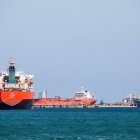
The Kremlin on Monday welcomed the arrival in Cuba of a Russian oil tanker loaded with international sanctions, in a move that partially eases the island's severe energy crisis and revives geopolitical tensions over fuel supplies.
"We are glad that this cargo of oil products is arriving on the island, or rather, that it has already arrived," Russian presidential spokesman Dmitry Peskov said during his daily press briefing, referring to the Anatoly Kolodkin ship, loaded with some 730,000 barrels of crude oil.

The first oil cargo received by the regime in months
According to maritime tracking data, the tanker was heading towards the port of Matanzas, Cuba's main energy terminal, in a context marked by months of fuel shortages, prolonged blackouts and severe economic restrictions on the island.
The shipment represents the first oil cargo received by the Cuban regime in about three months, following the tightening of the U.S.-driven energy blockade and the interruption of supplies from Venezuela, Havana's traditional ally.
From Moscow, Peskov defended the operation as a gesture of strategic support. "Russia considers it its duty to step forward and provide the necessary help to our Cuban friends," he said, underlining the close relationship between the two countries, according to AFP.
Donald Trump downplayed the significance of the shipment
Analysts interpret this episode as a sign of the limitations of the energy blockade and of the growing complexity of the international scenario, where humanitarian, strategic and economic factors are intertwined. Meanwhile, in Cuba, the immediate impact of the shipment could translate into a temporary relief of the electricity crisis, although insufficient to solve the structural problems of the energy system.
The move also reinforces Russia's role as a key back-up for Havana at a critical moment, while at the same time demonstrating how energy policy continues to be a central instrument in the global geopolitical dispute.
Some 16 arrested for "reselling fuel" in Cuba
The regime's police forces detained 16 people in Havana for their involvement in a network of illegal fuel sales, in the midst of the severe energy shortages the country is experiencing, according to the official media on the island.
The operations were carried out in two gas stations (Cupet) in the municipalities of Playa and Plaza de la Revolución, where those involved were mainly engaged in selling turns in the queues, hoarding fuel and reselling it on the black market at prices much higher than the official ones, when the country is practically at a standstill due to the energy crisis that the dictatorship has been denying for years.
LATEST