'Almost like paying protection to the mafia': Iran and Oman negotiate a controversial system of charges for crossing the Strait of Hormuz
Tehran is negotiating with Oman a system of "tariffs" for ships crossing the lane through which one-fifth of the world's oil passes. International law forbids it.
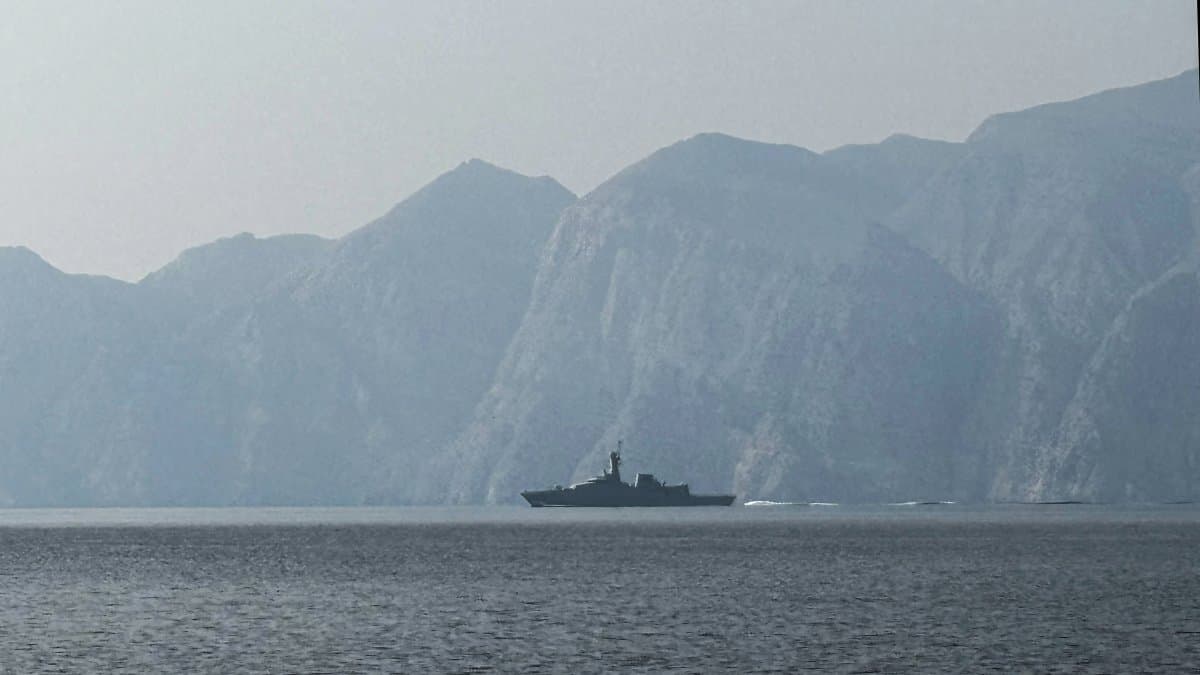

Iran wants to charge for the passage of ships through the Strait of Hormuz, the waterway through which about one-fifth of the world's seaborne oil and natural gas flows. To achieve this without running head-on into international law, Tehran needs a regional ally: Oman.
According to The New York Times and Bloomberg, Iran and the Sultanate of Oman—a U.S. ally—are exploring a system that would be called not a "toll" but a "fee-for-service": a technical euphemism meant to slip the proposal past the legal obstacle more easily.
The problem for Iran and Oman is that a toll charging simply for crossing the strait would be illegal under international law. By contrast, charging for services actually provided to a vessel—such as waste management in a port—is permitted under certain conditions. Iran and Oman seem intent on fitting their proposal into that second possibility.
Experts, however, are less than convinced on the matter. James Kraska, a professor of international maritime law at the U.S. Naval War College and a visiting professor at Harvard, reminded the NYT that the shipping regime prohibiting payment for passage is "virtually universally accepted" and that "Iran has acquiesced to this for decades." The problem for Tehran, he noted, would be to demonstrate that its rates are reasonable and correspond to actual services.
Politics
Fearing defections, House Republicans call off key vote on Trump's war with Iran
Joaquín Núñez
Otherwise, charging money to transit a road that was always free by labeling it a tariff would be "almost like the mafia saying you have to pay protection money," the expert quoted by the NYT as saying.
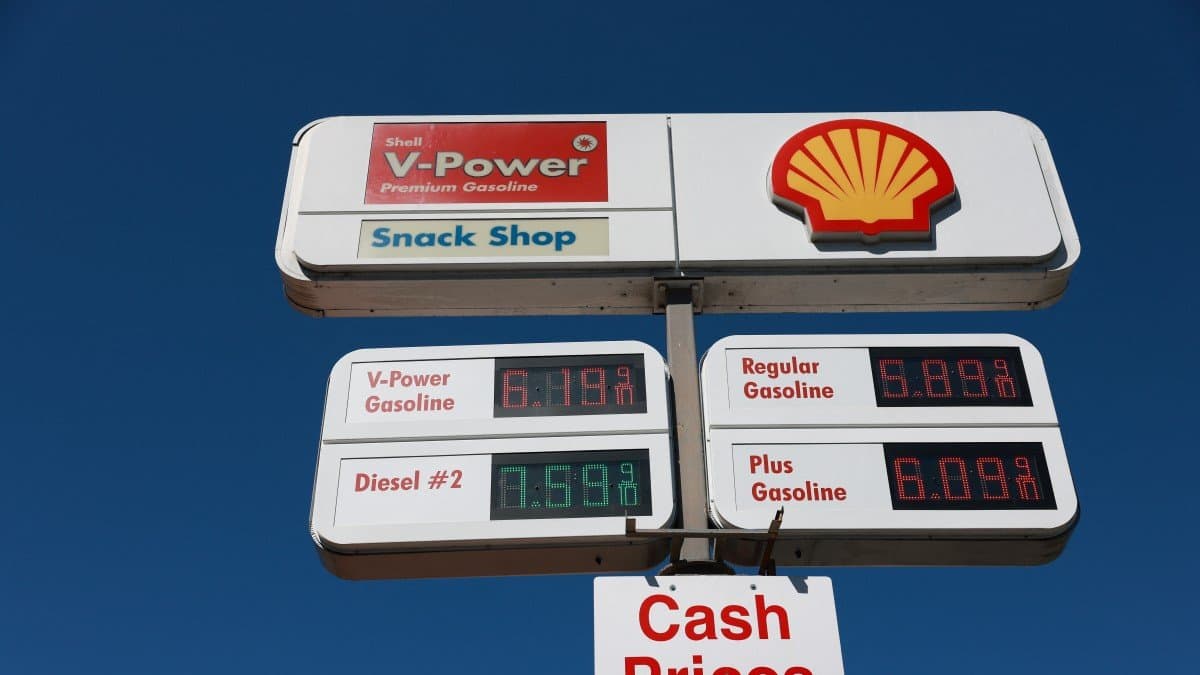
While the legal issue is in question, the economic problem is indisputable. Since the beginning of the war against Iran at the end of February, the prices of crude oil remain close to 50% above pre-conflict levels. The U.S. benchmark WTI is around $100 per barrel. Last week, the United States withdrew almost ten million barrels from its Strategic Petroleum Reserve, the largest release on record. Therefore, every disagreement between Iran and the U.S. at Hormuz translates, in one way or another, into higher gasoline and diesel prices for the US consumer.
Economy
Why is diesel a much bigger economic problem than gasoline since the war with Iran broke out?
Emmanuel Alejandro Rondón
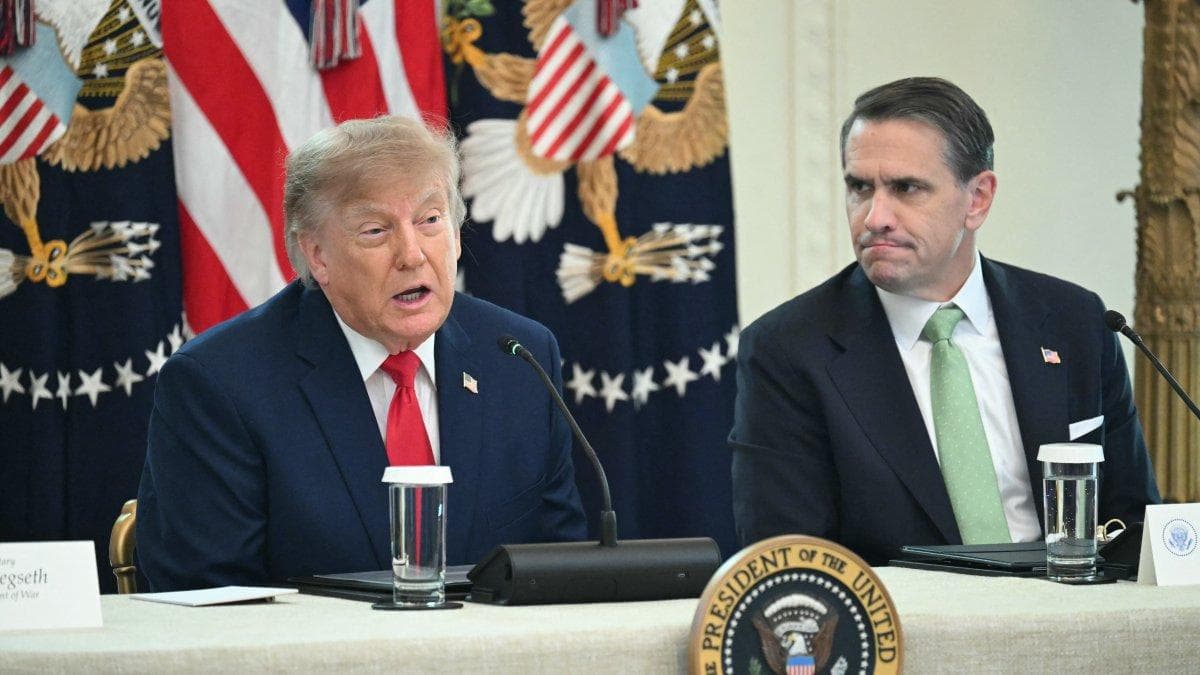
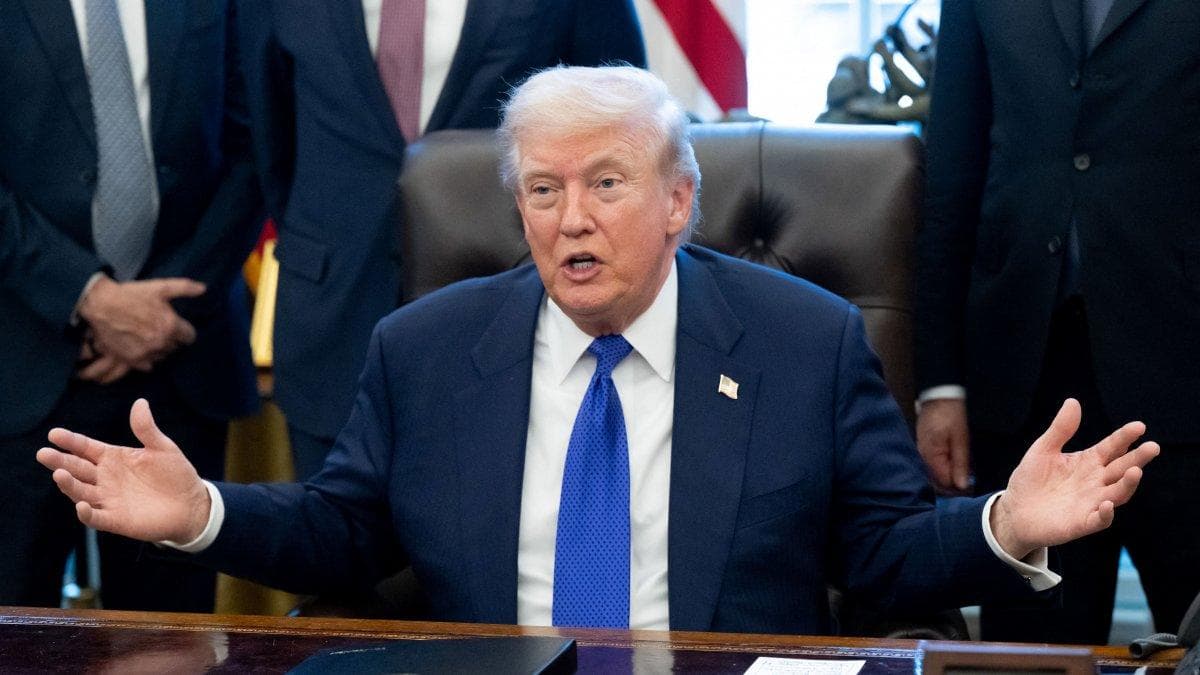
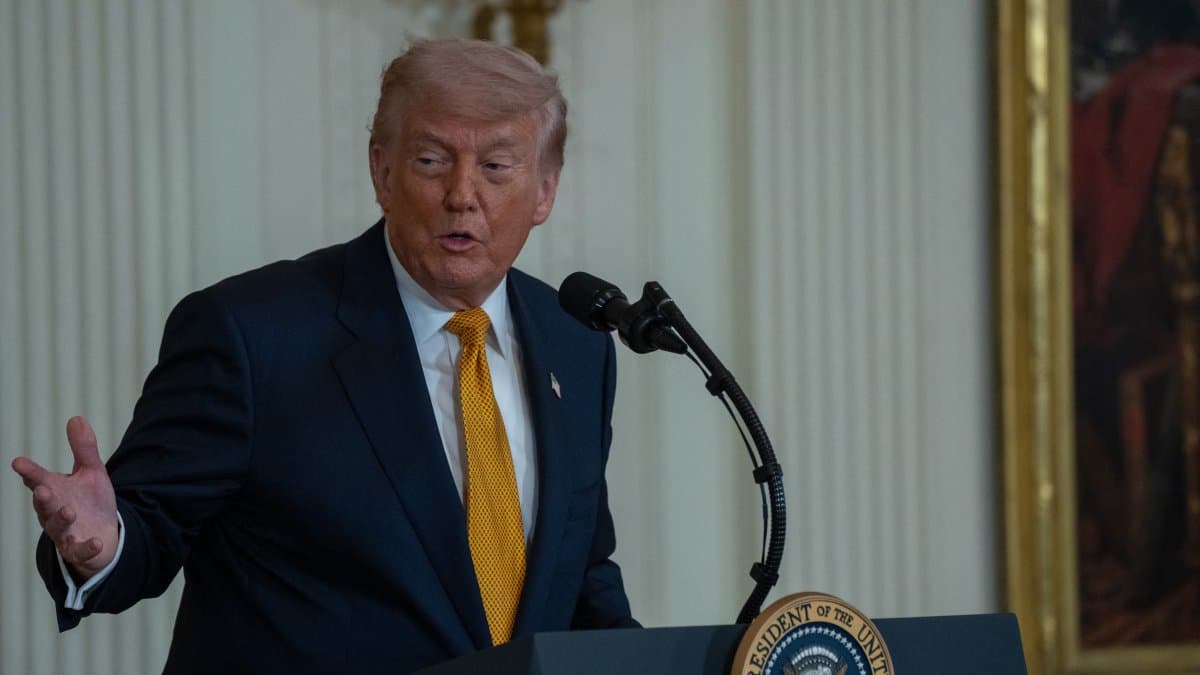
President Donald Trump has flatly rejected any charges for the Strait of Hormuz. "We want it free. We don't want tolls. It's international. It's an international waterway," he said in the Oval Office. The secretary of state, Marco Rubio, warned that the Iranian claim would make a diplomatic agreement "unfeasible." For now, none of the parties seems willing to give in, which distances the viability of a quick peace agreement.
🛠 Do you think there is an error in this article?
Recommendations




LATEST