'Don't listen to the losers': Trump defends Iran deal, vows he won't make a bad deal like Obama
The president stressed that the current draft of the deal seeks actual dismantlement of the Islamic regime's atomic program without resorting to damaging economic concessions.
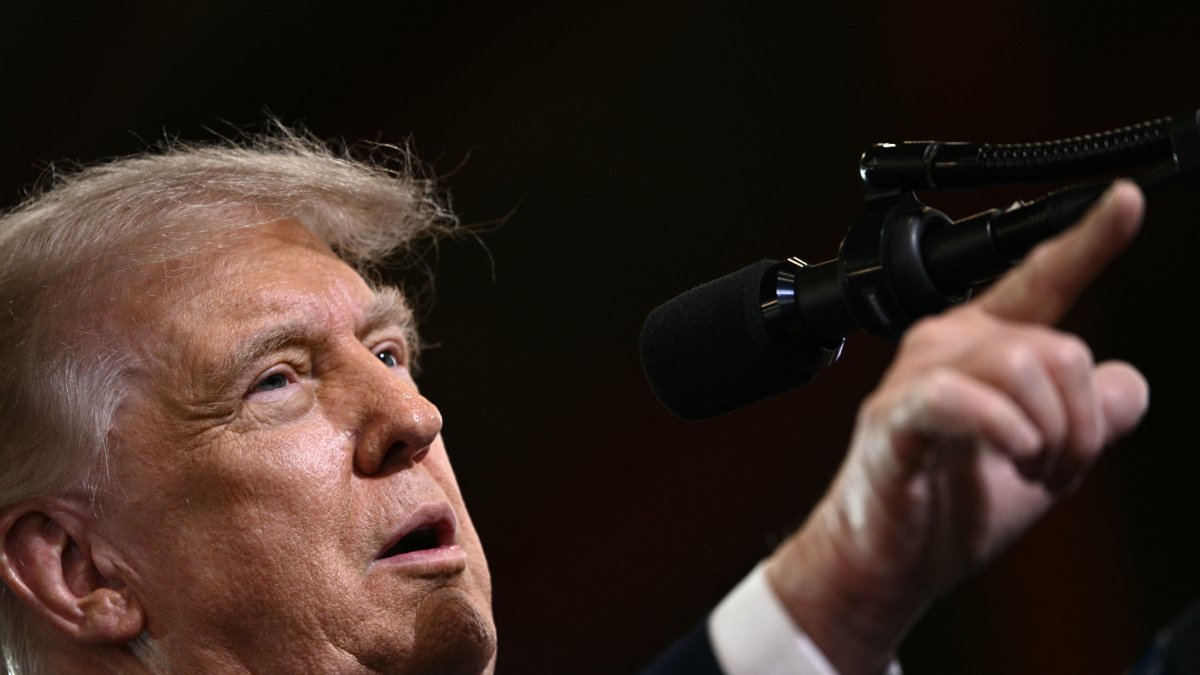
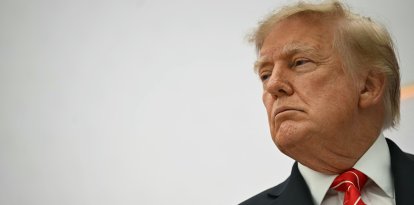
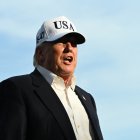
President Donald Trump.

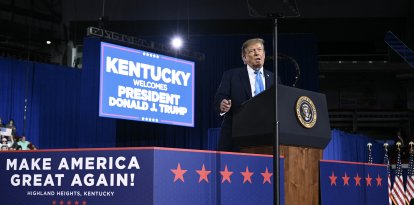
President Donald Trump defended his administration's strategy in the face of an impending peace deal with Iran, assuring that whatever resolution is formally adopted will be sound and will vindicate the nation's strategic interests.
Through a statement issued this Sunday on his Truth Social platform, the president stood up to political questioning and disassociated his diplomatic efforts from the nuclear pact reached during Barack Obama's administration.
"If I make a deal with Iran, it will be a good and proper one, not like the one Obama did, which gave Iran huge amounts of CASH, and a clear and open path to a nuclear weapon," Trump assured.
The president stressed that the current draft of the agreement seeks the actual dismantling of the Islamic regime's atomic program without resorting to harmful economic concessions.
White House conditions at the negotiating table
Despite the fact that the formal talks continue to unfold in a secretive manner, various U.S. media reports indicate that the preliminary terms contemplate a commitment by Tehran to get rid of its stockpile of highly enriched uranium.
In return, Washington would lift the naval blockade on the Islamic country's ports. The Trump administration also demands the full opening of the Strait of Hormuz and the elimination of any tariffs or tolls on international vessels transiting the sea lane.
Transit restrictions in Hormuz, imposed by the Iranian military following joint U.S.-Israeli military operations in late February, have destabilized the global energy market.
According to data from the AAA automobile association, gasoline prices in the U.S. rose notably, climbing from an average of under $3 per gallon before the start of hostilities to more than $4.50 this Sunday.
Also, the intensity of the conflict before the April ceasefire left 1701 civilians dead in the Persian nation, according to records of human rights organizations.
Contrary to the prevailing expectation, Trump called for prudence and asked that attention not be paid to those who criticize the negotiations without knowing the details of the legal text.
"Our deal is the exact opposite [of Obama's], but no one has seen it or knows what it is. It is not even fully negotiated yet," the president added, specifying further that he gave direct instructions to his representatives not to rush the signing of the document due to the fact that time is playing in favor of Washington's position of strength.
Therefore, he asked to ignore external questioning, saying: "So don't listen to the losers, who criticize something they know nothing about."
Capitol Hill debate and the maximum pressure doctrine
Details that have emerged about the dialogue tables have generated conflicting positions within the Capitol.
Senator Thom Tillis expressed reservations about the approval mechanism, noting that any treaty with the Tehran regime that bypasses Congress's formal ratification process could be doomed to failure.
For his part, Secretary of State Marco Rubio, from India, was optimistic about the possibility of announcing a favorable outcome in the short term.
Rubio pointed out that the negotiations will satisfactorily address President Trump's security requirements in the Strait of Hormuz and initiate a definitive process to dispel the threat of an atomic power in the region.
Just The News
Trump gains high ground in row with Senate as old guard exits
Just The News | Ben Whedon

Society
Nasire Best, the suspect in the shooting near the White House, claimed to be Jesus Christ
Williams Perdomo
LATEST