Trump announces peace memorandum with Iran and reopening of Strait of Hormuz after months of war
"An agreement has been largely negotiated, subject to finalization between the United States of America, the Islamic Republic of Iran, and the various other countries," the president announced.
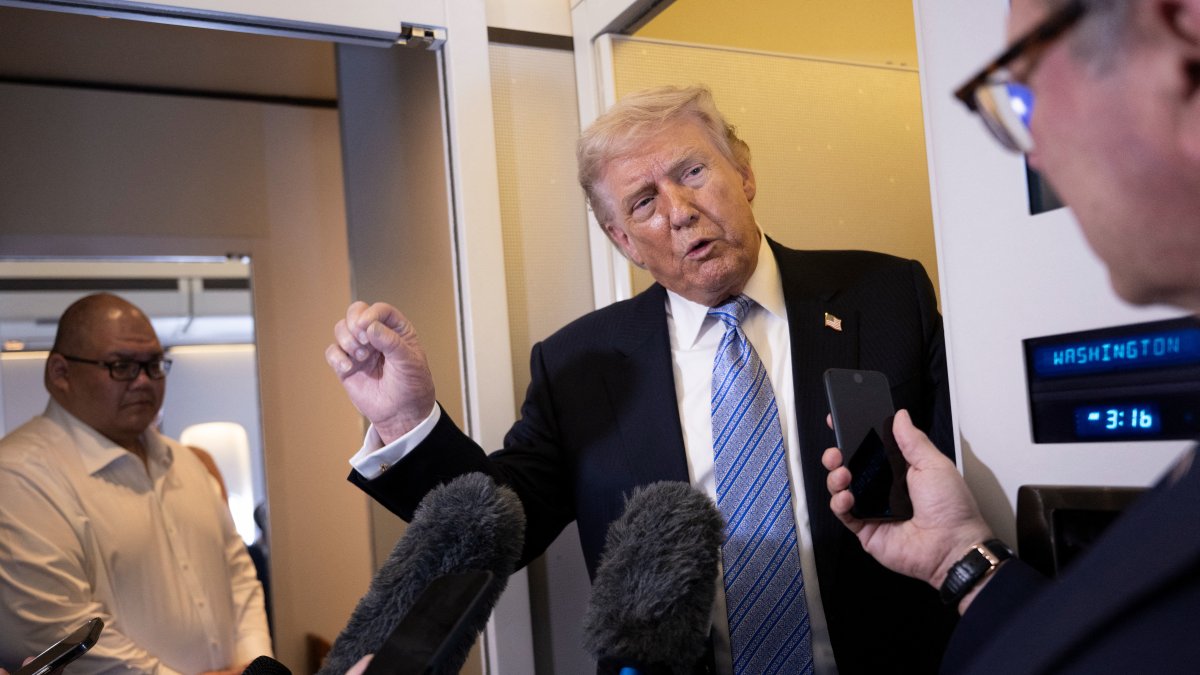
Donald Trump on Air Force One in a file image.

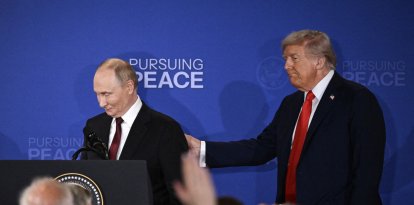
President Donald Trump announced Saturday from the Oval Office that a "long-negotiated" peace deal with the Islamic Republic of Iran is short of finalization, following a round of calls with leaders from the Middle East and regional allies. The announcement, broadcast on his Truth Social network, included a point that markets and citizens in the U.S. and around the world had been waiting for: the reopening of the Strait of Hormuz, the maritime corridor through which about one-fifth of the world's oil flows.
"An Agreement has been largely negotiated, subject to finalization between the United States of America, the Islamic Republic of Iran, and the various other Countries, as listed," Trump wrote, referring to "a Memorandum of Understanding pertaining to PEACE." He then specified, "In addition to many other elements of the Agreement, the Strait of Hormuz will be opened."
The president also detailed that the call involved a broad coalition of regional leaders: Saudi Crown Prince Mohammed bin Salman, Emirati President Mohammed bin Zayed, Qatar's Emir Tamim bin Hamad and his prime minister, Pakistan Army chief Marshal Asim Munir; Turkish President Recep Tayyip Erdogan, Egypt's Abdel Fattah El-Sisi, Jordan's King Abdullah II and King Hamad bin Isa of Bahrain. Separately, Trump said he spoke with Israeli Prime Minister Benjamin Netanyahu in a conversation that "which, likewise, went very well."
Final details of the pact "will be announced shortly," the Republican leader culminated.

World
A terrorist trained by Iran's Revolutionary Guard plotted to assassinate Ivanka Trump to avenge Soleimani's death
Emmanuel Alejandro Rondón
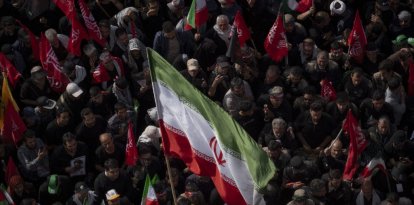
The announcement comes after months of conflict between Washington and Tehran. The war, which brought Trump to the brink of ordering massive bombings on Iranian territory, resulted weeks ago in a conditional ceasefire. Throughout the process, the Strait of Hormuz - which Iran controlled as a pressure measure - became the central axis of the diplomatic dispute. Its reopening, in fact, figured as a central condition at every step of the negotiation, mediated in large part by Pakistan.
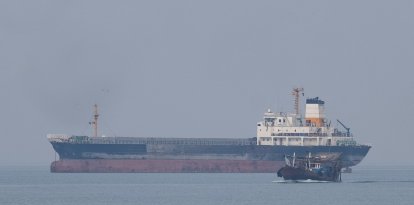
However, official details of the agreement have not been released at this time. The U.S. Central Command recently announced a milestone of having diverted a hundred commercial ships during a weeks-long maritime blockade of Iranian ports aimed at economically suffocating the country. Secretary of State Marco Rubio had signaled before Trump's announcement that negotiators were moving forward, and stressed that any resolution would require Iran to keep the Strait of Hormuz open without tolls and deliver its enriched uranium.
LATEST