Iran challenged in Persian Gulf: Kuwait and Bahrain reportedly strike back after months of bombings, with UAE support
Sources cited by the Wall Street Journal claim that the attacks, which took place in early July, targeted Iranian drone and missile facilities; Kuwait subsequently denied its involvement in military operations against Tehran.
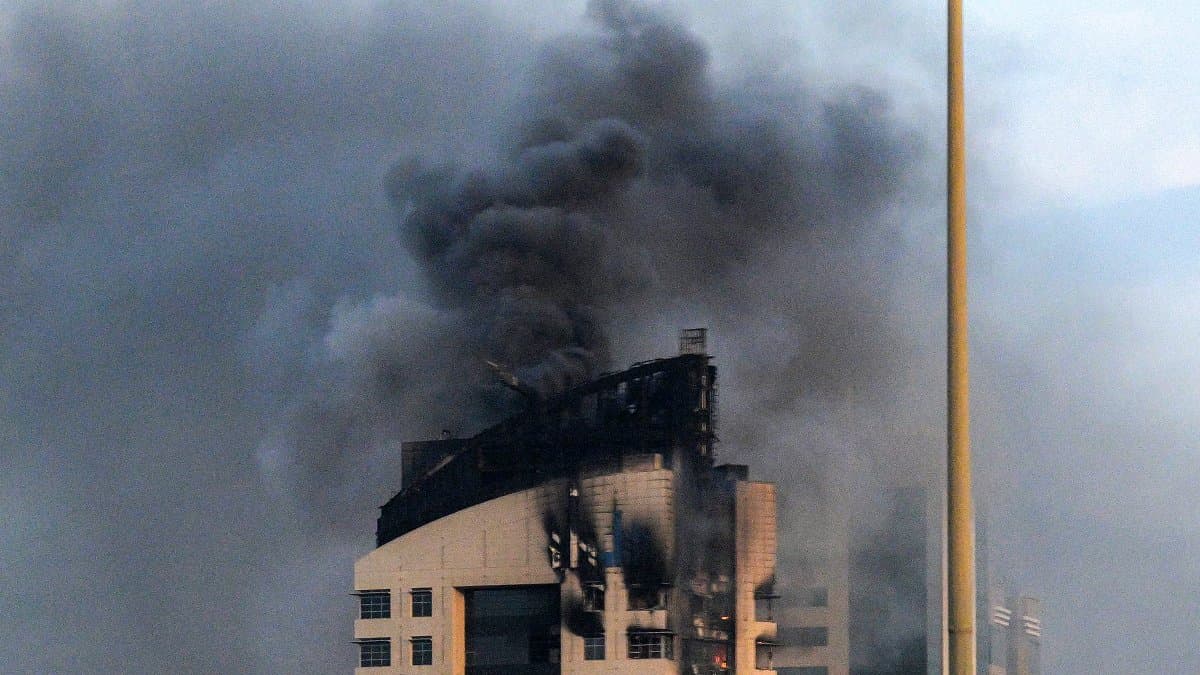

Allegedly, Kuwait and Bahrain secretly sent fighter jets to strike military installations inside Iran in early July, in what would constitute the first direct retaliation by both countries against Tehran since the war began, according to a report published Thursday by The Wall Street Journal, citing high-level sources familiar with the matter.
The targets reportedly included drone and missile depots, according to the same source. The United Arab Emirates —which attacked Iran on multiple occasions during the first months of the conflict—allegedly provided intelligence on the targets and defensive air cover, a move that sources interpret as the beginning of closer Arab military cooperation against the Iranian regime.
For weeks, Iran focused its retaliatory attacks on Kuwait and Bahrain, both of which host U.S. military bases on their territory. Despite having limited air forces—equipped with U.S. and European aircraft—neither country was reportedly willing to continue taking hits without responding, according to sources consulted by the newspaper.
Politics
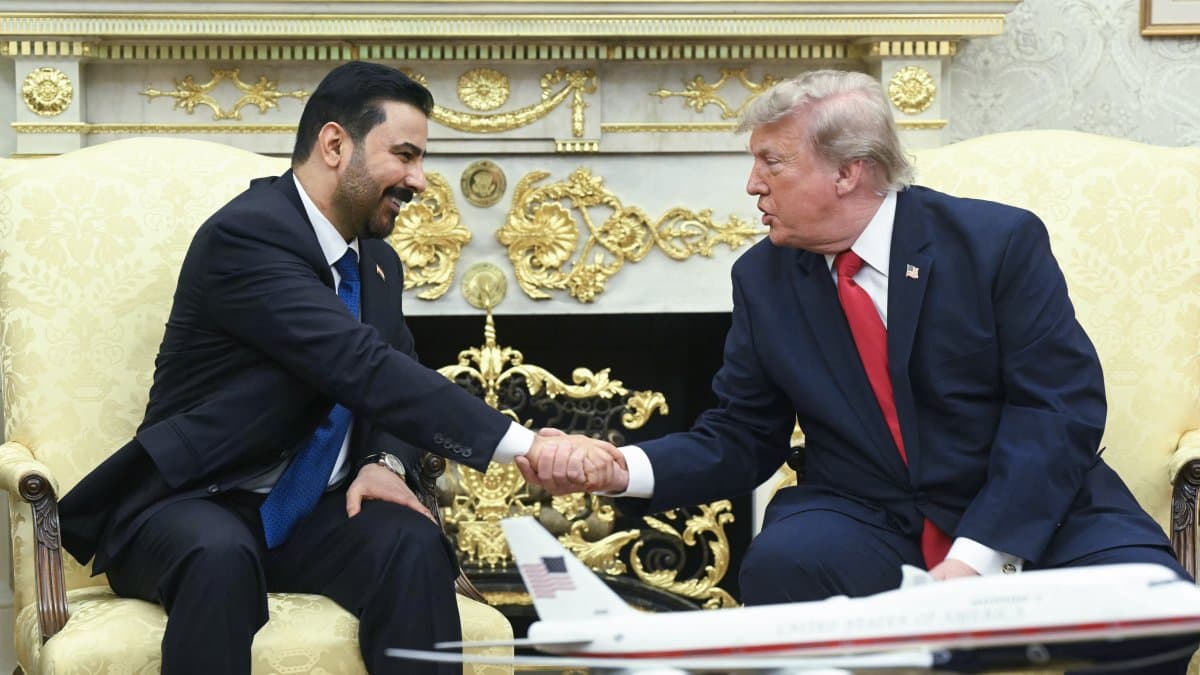
Is the door to negotiations closing? Iran gives a resounding 'no' to Trump's peace proposal presented by Iraq
Andrés Ignacio Henríquez

After the information came to light, Kuwait's ambassador to Washington, Al-Zain Al-Sabah, denied the report. "The State of Kuwait has not participated in any military operations against Iran, nor has it permitted its territory to be used to launch offensive operations against any neighboring state," the diplomat said.
The UAE Ministry of Foreign Affairs, meanwhile, condemned the Iranian attacks against its two neighbors and expressed support for "all measures aimed at safeguarding their security and stability", in addition to reiterating its support for the full reopening of the Strait of Hormuz.
The incident illustrates the awkward position in which the Arab Gulf governments find themselves, caught between a war they did not seek and an Iranian neighbor they perceive as increasingly hostile. Kuwait reported last Sunday that Iran attacked a power plant and a desalination plant on its territory, in what it described as a "dangerous escalation."
Saudi Arabia, which joined the UAE's attacks against Iran in the early weeks of the conflict, is reportedly reevaluating its stance, while Oman and Qatar maintain the diplomatic balance they have historically upheld toward Tehran.
With the conflict now in its fifth month and no signs of resolution, Iran's blockade of the Strait of Hormuz and the recent Houthi attacks on the Red Sea have dealt a severe blow to the region's oil exports and tourism. Analysts surveyed by the WSJ warn that Gulf countries are beginning to accept that open confrontation with Iran—and even the possibility of regime change in Tehran—is no longer a scenario that can be ruled out.
🛠 Do you think there is an error in this article?
Recommendations







LATEST