Dismissal of Prosecutor Karim Khan over sexual harassment allegations plunges the International Criminal Court into a deep credibility crisis
Khan's removal comes at a time when the court was facing mounting criticism from President Donald Trump's administration.
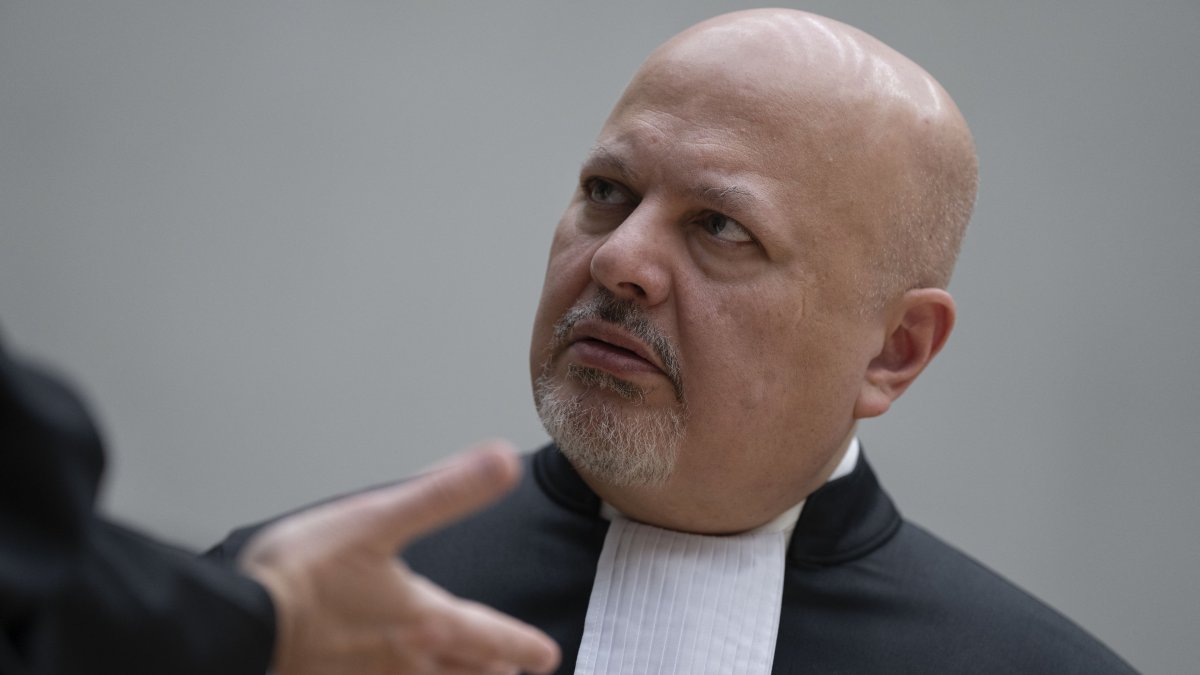
Former Chief Prosecutor Karim Khan.

In an unprecedented resolution that strikes at the very foundation of the global judicial system, the Assembly of States Parties to the International Criminal Court (ICC) approved on Friday the dismissal of its chief prosecutor, Karim Khan.
The decision, adopted during a session in New York by an overwhelming majority of 82 votes in favor, was based on the findings of a process that determined the existence of "serious misconduct" and a breach of his ethical duties due to allegations of sexual harassment against a subordinate, as reported by the New York Times.
The outcome of the investigations, initiated following complaints filed by a special advisor formally identified as Sarah, concluded that Khan engaged in a pattern of retaliation and exploited his position of authority to force an inappropriate relationship.
The ICC's governing body determined that serious misconduct had occurred, citing the evident "imbalance of power," and dismissed the defendant's claims that the proceedings were part of a conspiracy against him.
Accusations of political bias and challenges to the orders issued
Khan's removal comes at a time when the court was facing growing accusations from President Donald Trump's administration and various governments of acting with a marked ideological bias and politicizing international justice.
During his tenure, Khan gained notoriety for issuing arrest warrants against global leaders, notably his decision to pursue Israeli Prime Minister Benjamin Netanyahu—a move categorically rejected by Washington due to what it considered an instrumental use of the court.
This Friday, the Venezuelan government—under the interim regime aligned with the U.S. administration—formally announced its withdrawal from the ICC. The South American country's decision underscores the weakening of the global court at a time when its jurisdiction is being severely questioned.
Following news of the prosecutor's dismissal, senior diplomatic officials questioned the procedural validity of the measures pursued under his tenure.
Israeli Foreign Minister Gideon Saar stated on social media that "the long-overdue removal of Karim Khan from the ICC for serious misconduct has laid bare the moral bankruptcy of a corrupt prosecutor," adding that the actions against Israeli leaders were pursued to divert attention from the allegations against him and "should be revoked immediately."
Legal resistance and an uncertain future for multilateral bodies
Despite strong support from member states for his removal, Khan's legal representatives rejected the ruling, asserting that the resolution lacks a legitimate basis and announced that they will resort to legal mechanisms to challenge it.
For his part, the victim defended the validity of the allegations in the face of accusations from the prosecutor's inner circle, telling the press that "victims do not choose the political timing of their perpetrators" and asserting that "there is never a right time" to expose this type of abuse.
Khan's forced departure leaves the International Criminal Court leaderless and plunged into a severe crisis of confidence, in a global context where various countries have begun to distance themselves from unelected multilateral bodies.
The process of replacing the prosecutor reopens the debate on the true scope of these institutions and the urgency of holding international bureaucracies accountable when they operate without democratic oversight.

Politics
'Sovereign states over globalism': Marco Rubio promises a diplomatic offensive to dismantle the ICC
Emmanuel Alejandro Rondón

World
ICC chief falls: Karim Khan suspended for sexual abuse and 125 countries to decide his future
Emmanuel Alejandro Rondón

LATEST