Washington slaps new sanctions on three economic pillars of Cuban regime
The Trump administration expanded its offensive against Havana by sanctioning high-ranking officials in the healthcare system, companies linked to medical missions, entities in the energy sector, and companies associated with the military conglomerate GAESA. The announcement aims to prevent the regime from continuing to obtain resources through networks it considers corrupt and through mechanisms designed to circumvent sanctions.
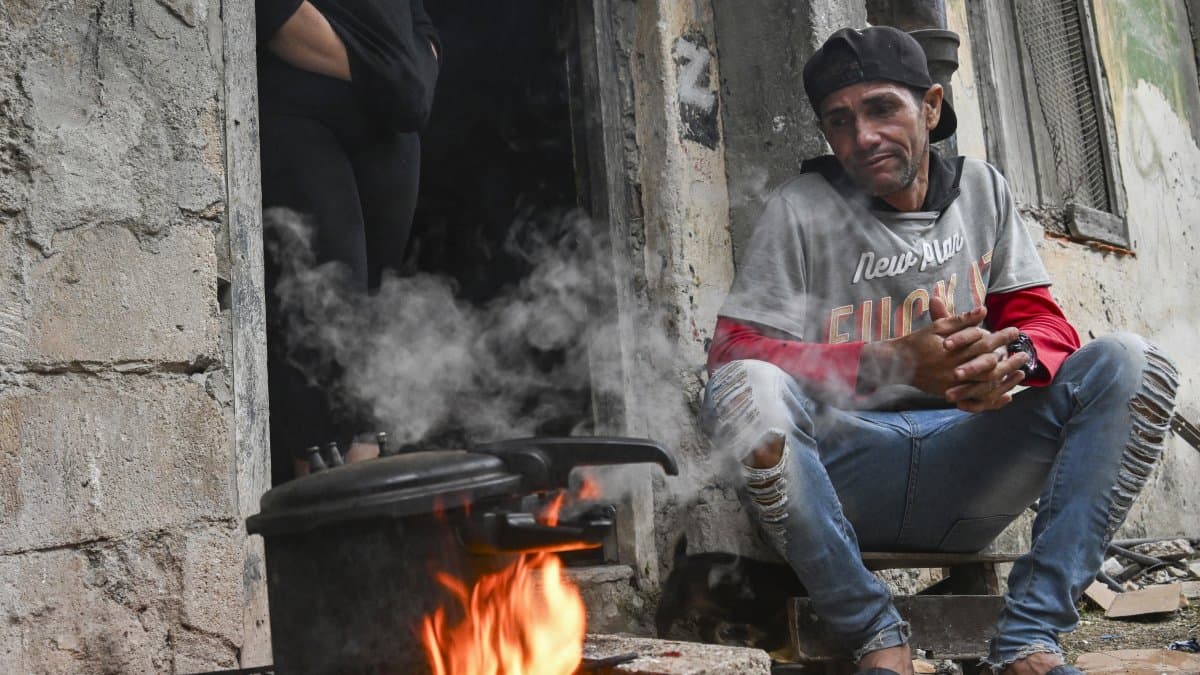

The administration of Donald Trump announced on Thursday a new round of sanctions against officials and entities linked to the Cuban regime, in a move that increases economic pressure on three sectors considered strategic for generating foreign currency: international medical missions, the energy sector and the business network controlled by the Revolutionary Armed Forces.
The new designations were announced by the State Department as part of a policy to tighten restrictions against Havana and, according to Washington, are intended to prevent the regime from continuing to use state-owned enterprises and corporate structures to finance its operations and circumvent previously imposed sanctions.
Medical export network returns to the center of the sanctions
Among those sanctioned are José Ángel Portal Miranda, Cuba's minister of public health since 2018, as well as Gretza Sánchez Padrón, director of the Central Unit for Medical Cooperation (UCCM), the agency responsible for coordinating medical brigades sent abroad.
In addition, the Central Unit for Medical Cooperation and the Cuban Medical Services Marketing Agency—two key entities in the management of international health programs—were added to the sanctions list.
In the official statement, the State Department maintains that the Cuban regime uses "inherently coercive laws and economic conditions" to manipulate or pressure thousands of healthcare professionals to join and remain in these international missions, which Washington considers a labor exploitation scheme.
U.S. authorities point out that, according to official figures from the Cuban government, the export of medical services generated approximately $7 billion in 2025, with some 24,000 professionals deployed to 56 countries, making this program one of the country's main sources of revenue.
Havana rejects these accusations and maintains that the medical brigades are part of international cooperation agreements requested by foreign governments.
Energy companies also on the list
The new round of sanctions also targets the energy sector, another pillar that Washington considers strategic for the regime's economic sustainability.
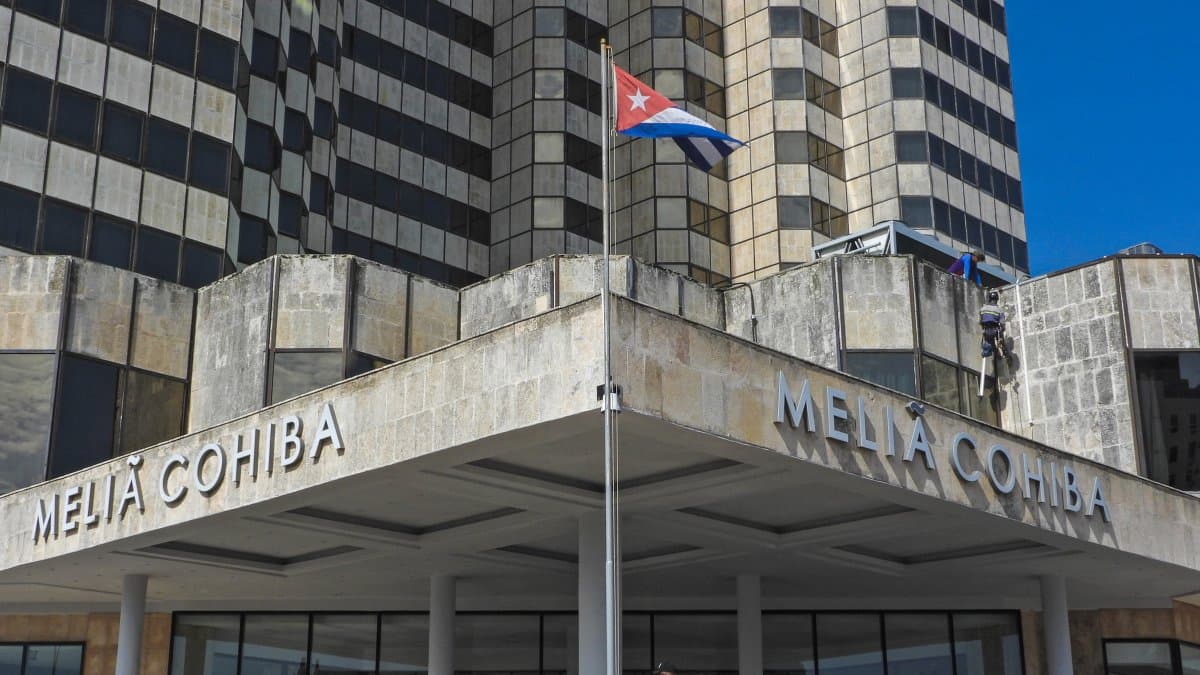
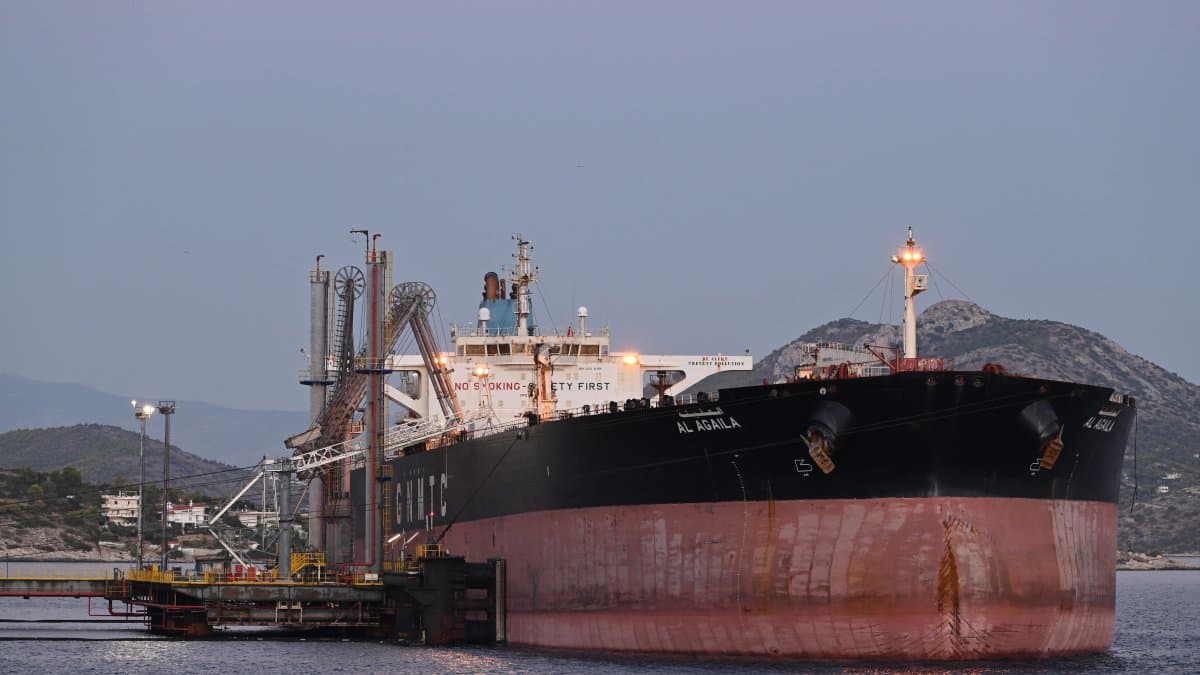
The designated entities are the Center for Petroleum Research (CEINPET), Empresa de Energía S.A. (ENERSA), and Einarbo S.A., companies involved in activities related to petroleum research and the importation of fuel, gas and lubricants.
Although the State Department did not specify particular operations attributed to these companies, it noted that they form part of the economic infrastructure that allows the regime to access financial resources and sustain sectors considered priorities.
New offensive against GAESA military conglomerate
On this occasion, the following were designated: Terminal de Contenedores de Mariel S.A., Coral Marítima, Ceiba Investments and Orbit.
According to the State Department, these companies made administrative modifications or changes to their corporate structure in an attempt to circumvent sanctions previously imposed on other entities linked to GAESA.
Washington states that the new measures are specifically intended to close these loopholes and prevent renamed or reorganized companies from continuing to operate within the international financial system.
What do these sanctions entail?
The designations were adopted under Executive Order 14404, signed by President Donald Trump, which expanded the U.S. government's authority to sanction individuals and entities linked to the Cuban regime.
In practice, the measures entail the freezing of any property or assets held by those sanctioned under U.S. jurisdiction. Furthermore, U.S. citizens, companies and financial institutions are prohibited from conducting transactions with the individuals and entities included on the list.
Although the sanctions do not automatically block the operations of foreign companies, they do increase the risk for banks, investors and business partners that maintain ties with the designated entities, as they are exposed to greater regulatory scrutiny or potential secondary sanctions.
A strategy to limit the source of the regime's funding
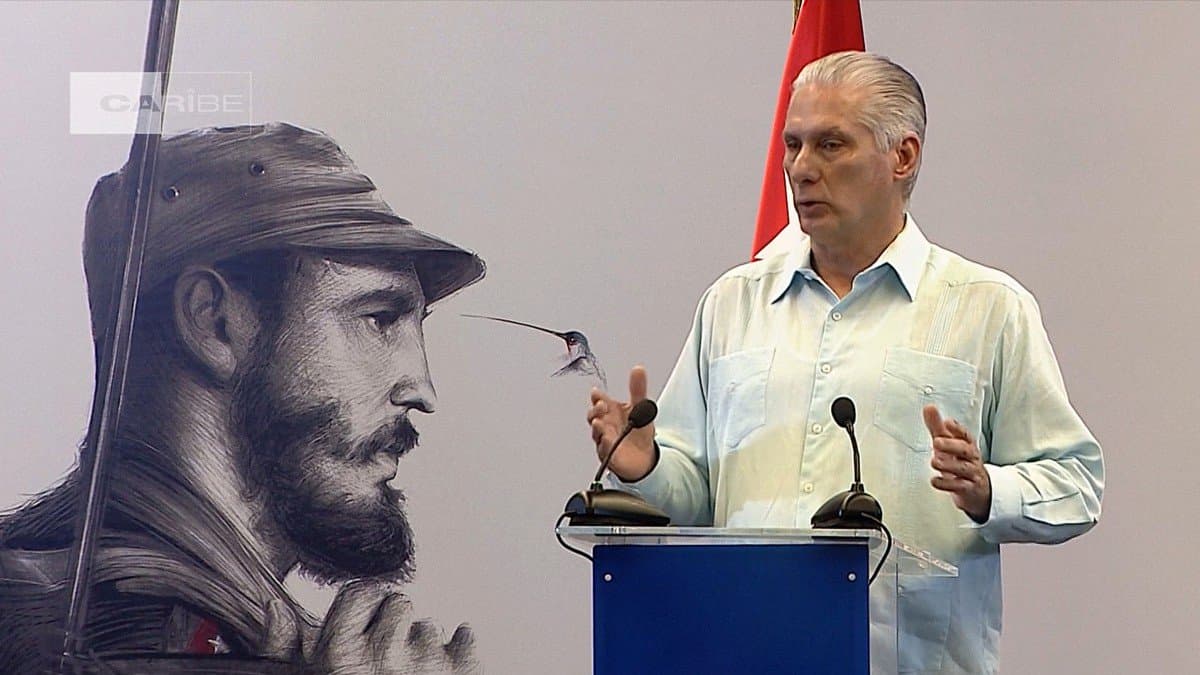
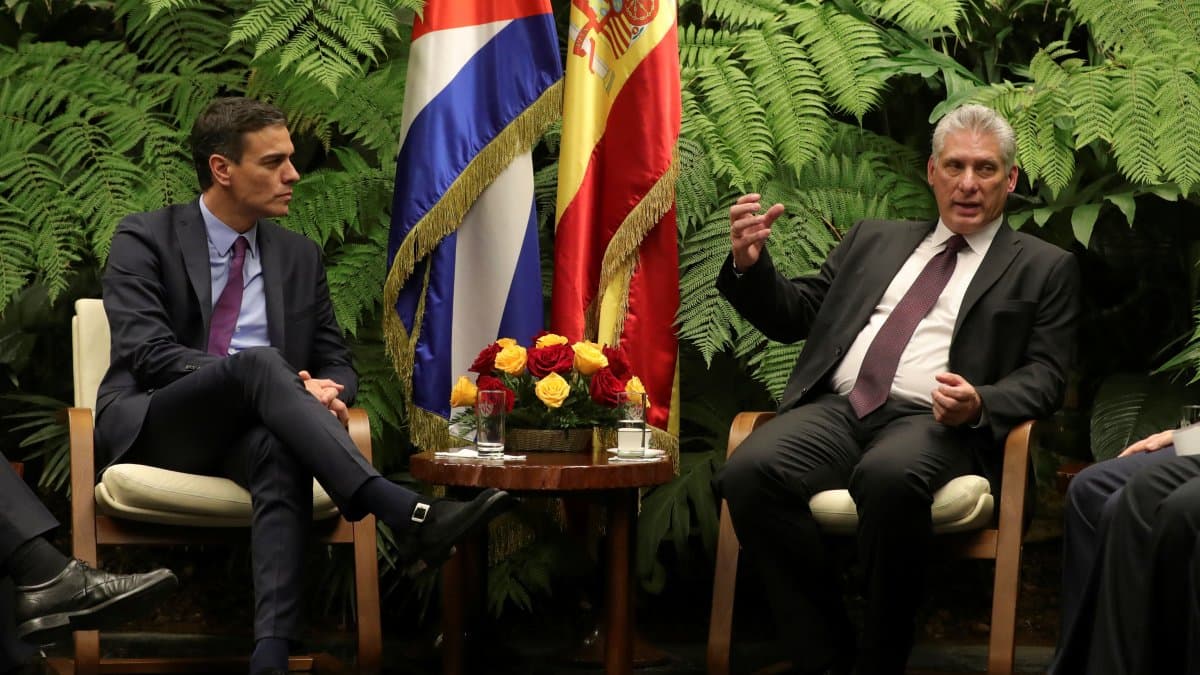
The new designations come on top of measures announced by Washington in recent weeks against senior leaders of the Cuban regime, includingMiguel Díaz-Canel, relatives of the dictator and Alejandro Castro Espín, the son of Raúl Castro.
On this occasion, however, the Trump administration is broadening the scope of its strategy by focusing on sectors it considers essential to the Cuban state's foreign exchange earnings.
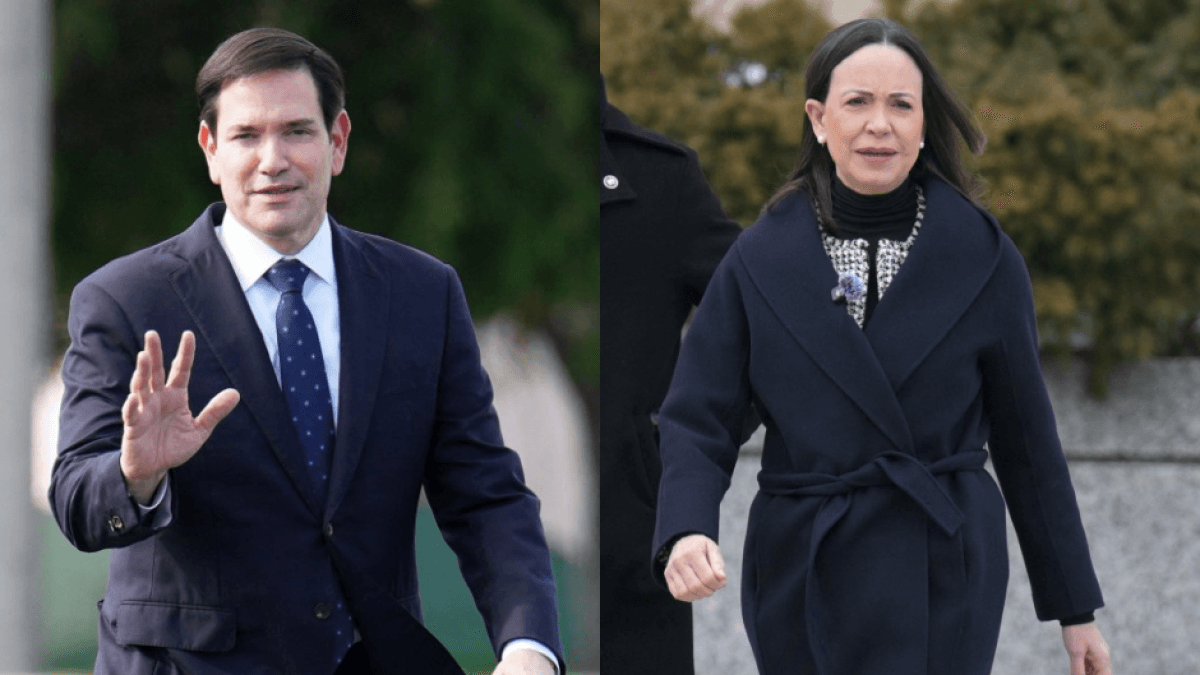
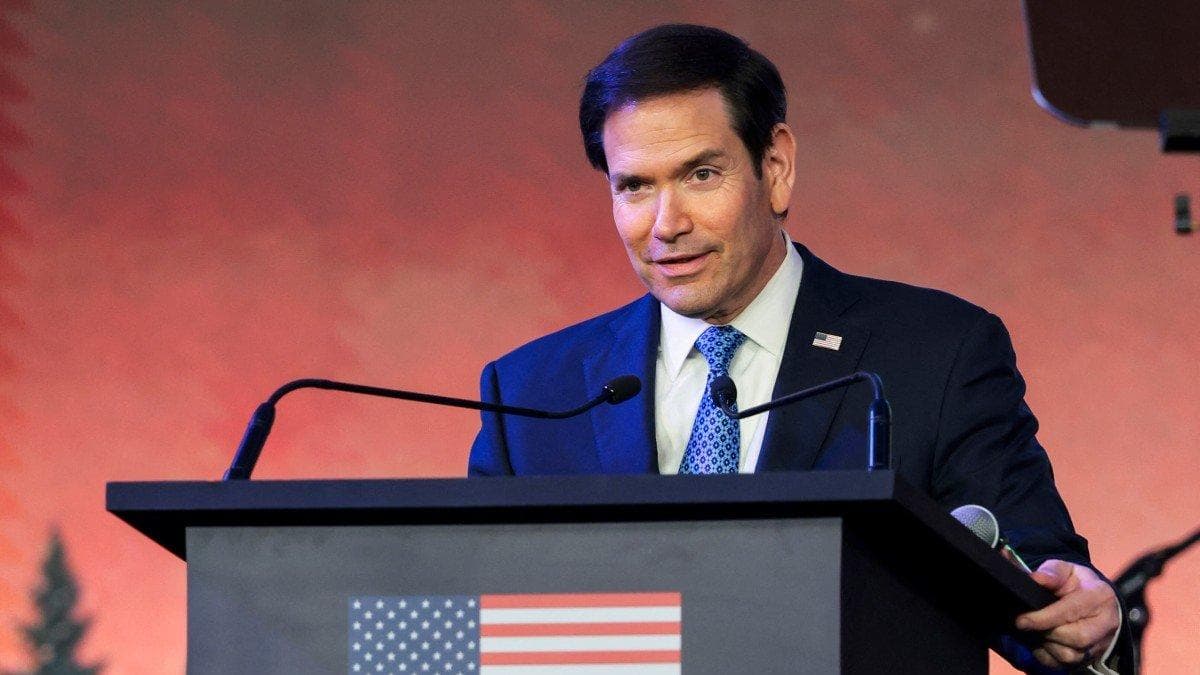
In the official statement, Secretary of State Marco Rubio stated that these measures are part of the United States' commitment to "promoting accountability from the Cuban communist regime" and to limiting access to financial resources obtained through structures that Washington considers responsible for labor exploitation, corruption and sanctions evasion.
With this new package, the White House seeks to increase pressure on three of the regime's main economic pillars: the export of medical services, the energy sector and the business network administered by the military, marking a new phase in its policy of tightening restrictions.
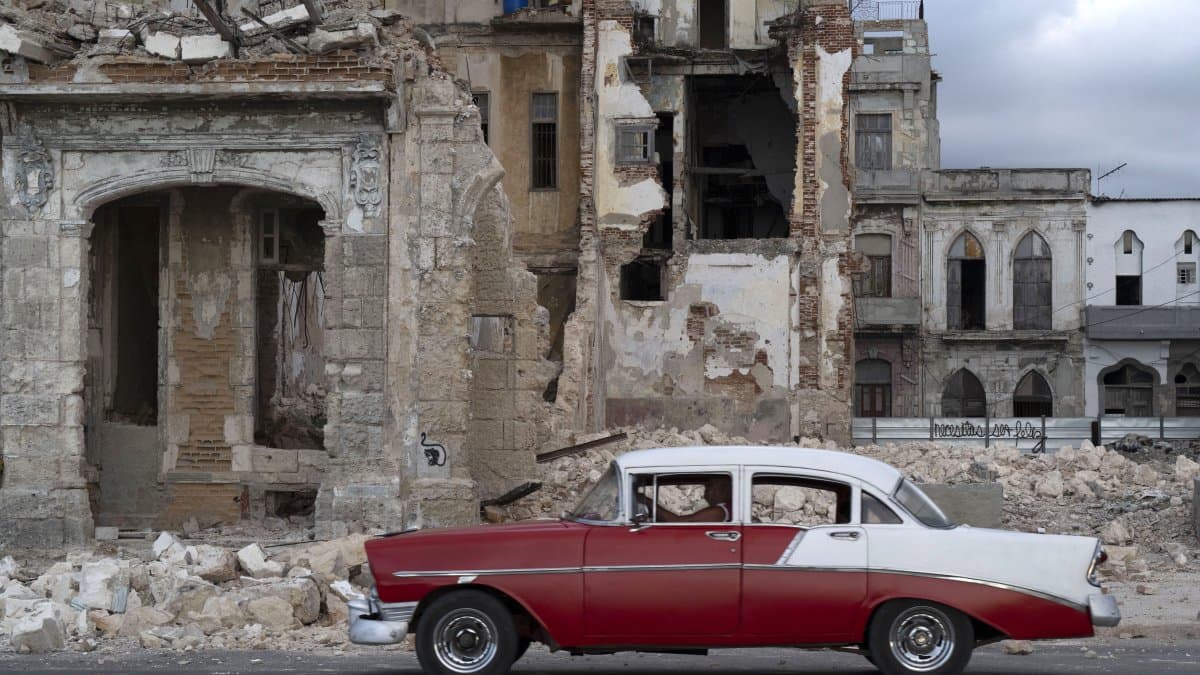
All of this is happening while the island faces the worst crisis in its recent history, with prolonged power outages, shortages of food, medicine and basic goods, as well as intensified repression by law enforcement and an increase in human rights violations against citizens.
🛠 Do you think there is an error in this article?
Recommendations

LATEST