Economic tensions mount: Carney says Canada is ready to respond to Trump's tariffs
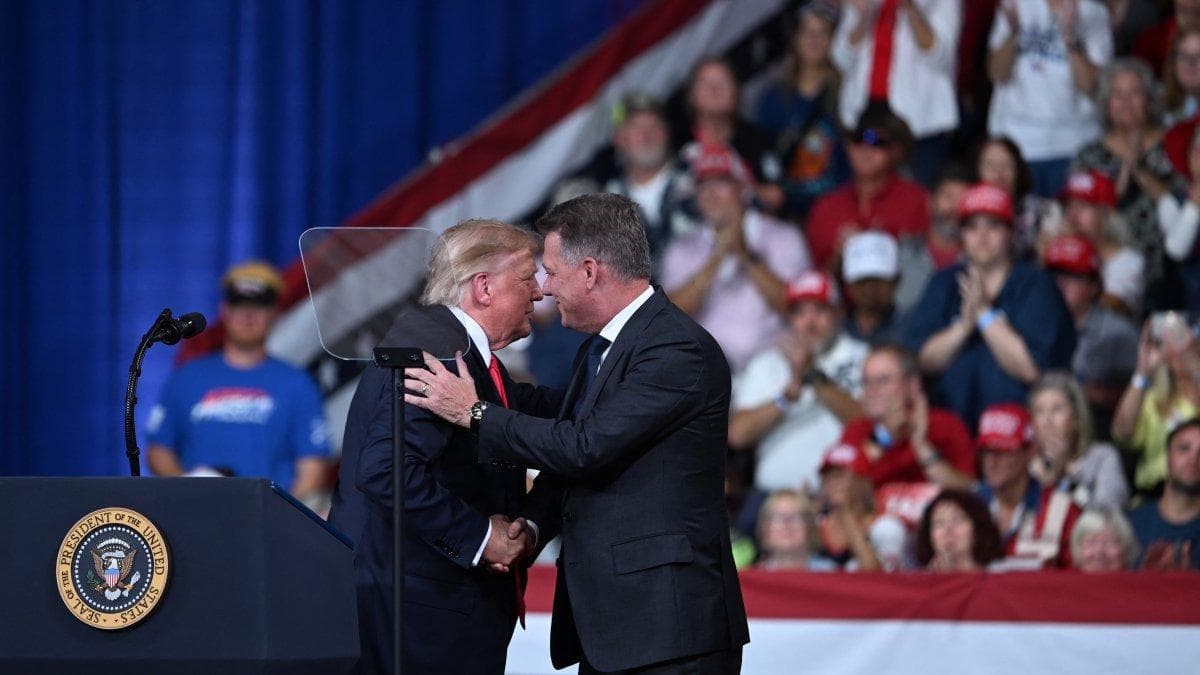
Earlier this week, Trump announced an additional 50% tariff on certain Canadian products, including dairy products, cement, and hockey equipment.
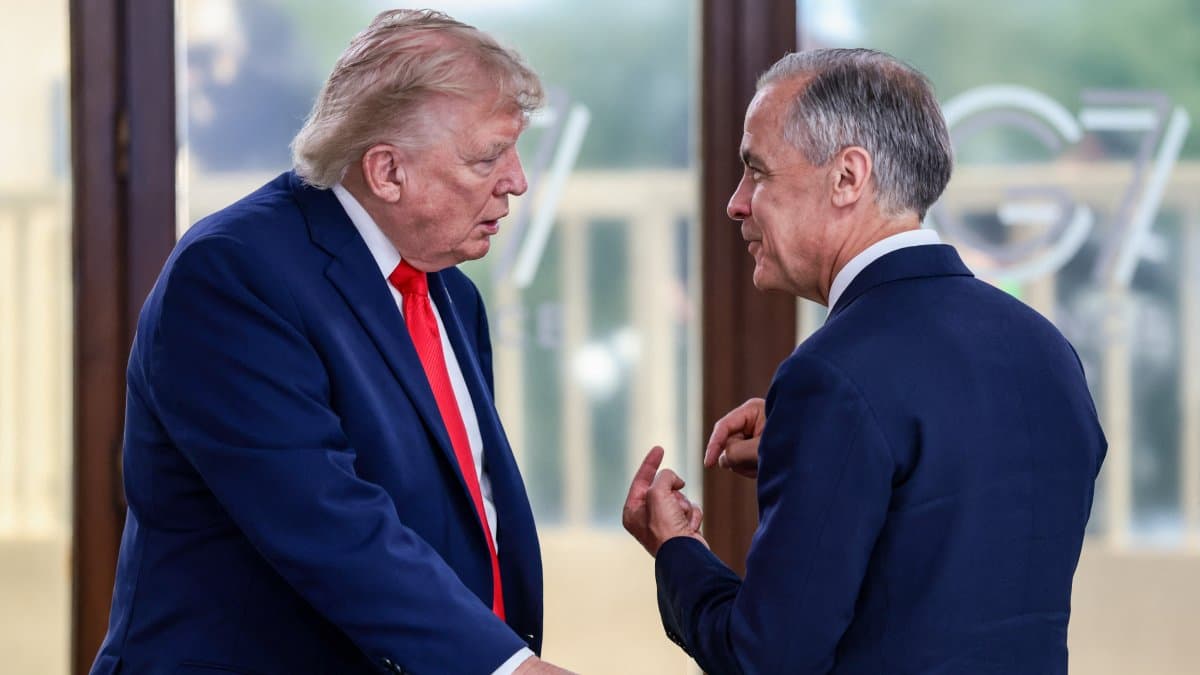
On Thursday, Canadian Prime Minister Mark Carney stated that his government is fully prepared to respond to trade negotiations with the United States if President Donald Trump proceeds with imposing new 50% tariffs on a wide range of Canadian exports. "We’re ready because we have been focusing on what we can control. If these tariffs, or other measures come into force, there’s a full range of things that we can do in that regard," Carney said during a press conference.
Carney assured that Canada remains committed to reaching a negotiated solution, but warned that all options remain on the table if talks fail before the new tariffs take effect. Despite the escalating tensions, the Canadian leader suggested that Trump's latest tariff threat could be part of a strategy to strengthen Washington's negotiating position as both countries continue to work toward a broader trade agreement. "We’ve seen a series of trade negotiations that the U.S. has undertaken, and normally there’s a deadline. Normally there’s an outsized tariff associated with that deadline," he said.
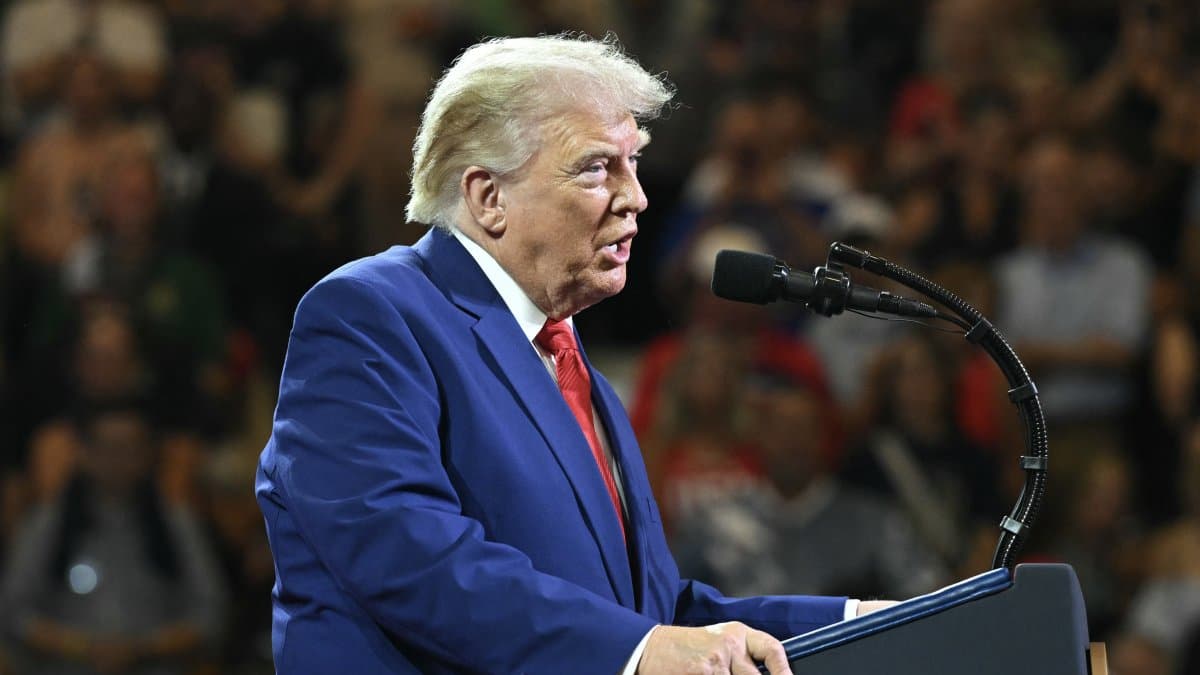
Earlier this week, Trump announced an additional 50% tariff on certain Canadian products, including dairy products, cement, and hockey equipment. According to administration officials, these tariffs were imposed under Section 338 of the Tariff Act of 1930 and are scheduled to take effect 30 days after the order is signed. The Republican administration maintains that these new tariffs are in response to the 25% tax that Canada recently imposed on cars and trucks—a measure adopted after Washington imposed similar tariffs on the Canadian automotive industry.
Trump has also criticized other Canadian trade practices, including restrictions affecting exports of U.S. dairy products and the removal of U.S. alcoholic beverages from provincially operated liquor stores, describing these policies as discriminatory trade measures.
🛠 Do you think there is an error in this article?
Recommendations


LATEST