One month after the earthquakes, Venezuela continues to search for its missing amid grief and rubble
After the disaster that shook the South American country, thousands of families are still waiting for answers amid the destruction. The Red Cross warns that the emergency is far from over and that recovery will require years of humanitarian aid.
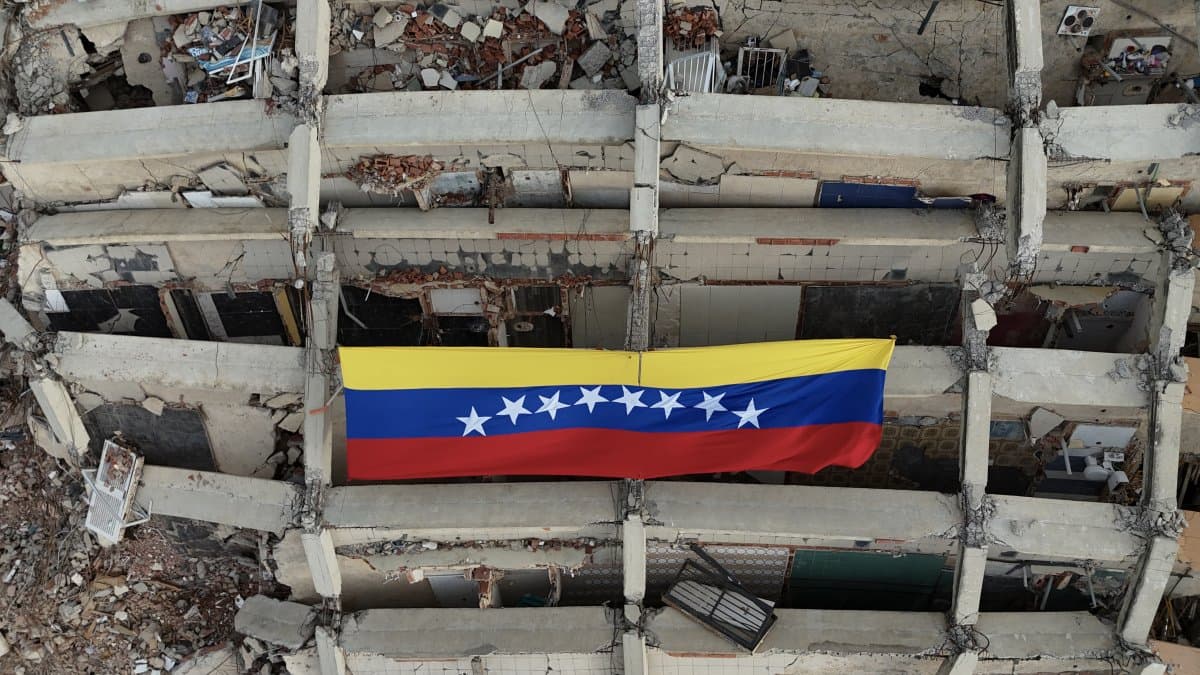

One month after the devastating earthquakes that struck northern Venezuela on June 24, the country remains immersed in a tragedy that is far from over. While rescue efforts continue amid collapsed buildings in the state of La Guaira, humanitarian organizations warn that recovery will be a long-term process and that thousands of survivors still face extremely precarious conditions.
The two earthquakes, measuring 7.2 and 7.5 on the Richter scale, left a trail of unprecedented destruction. According to official figures, the death toll stands at nearly 5,400, with about 17,000 injured, some 200 buildings completely destroyed and an additional 856 buildings declared uninhabitable. Although authorities have not released an official figure for the missing, various estimates suggest that the number could still run into the thousands.
Amid the rubble, the search continues
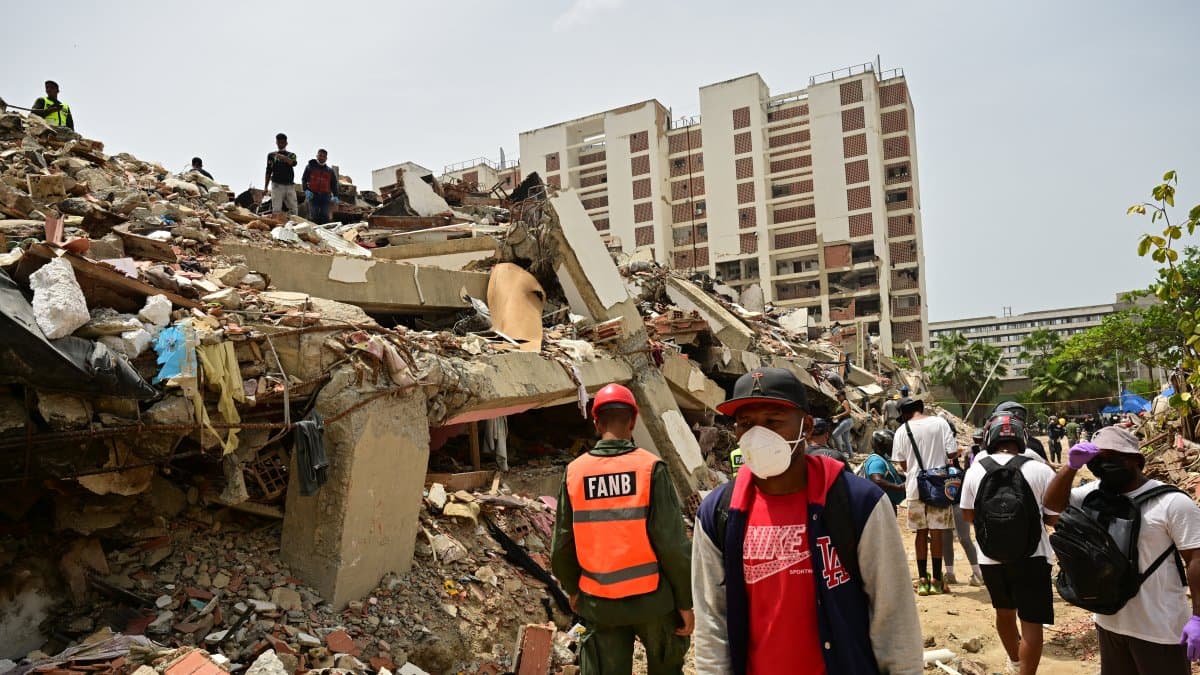
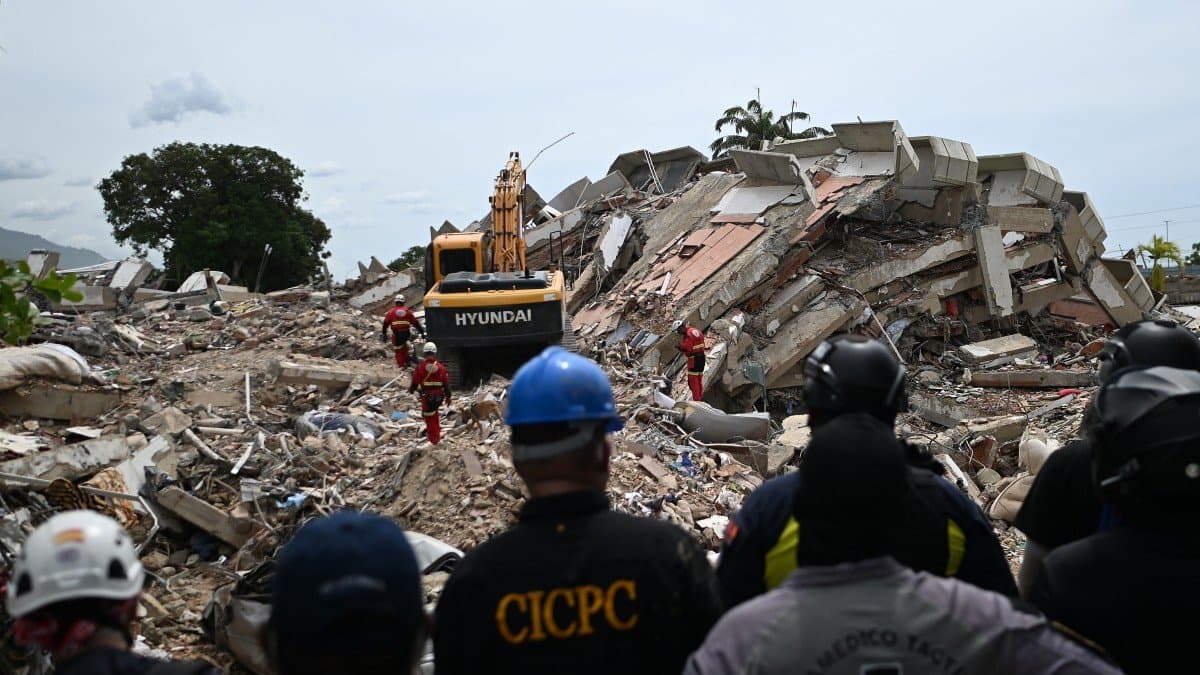
In La Guaira, the area hardest hit by the disaster, the scene remains marked by mountains of concrete, heavy machinery, and family members who refuse to give up hope of recovering their loved ones.
One of the symbols of this tragedy is Residencias Caribe, a private four-tower complex where, according to a registry compiled by the families themselves, approximately 140 people are still missing.
Francis Riascos, a 57-year-old engineer searching for his brother Gustavo, told AFP that official efforts have focused primarily on housing complexes built by the government, while other buildings remain virtually abandoned.
"There has been a lot of neglect. We've had to use our own resources to obtain equipment for excavation," he said.
According to residents, some bodies remain trapped under massive concrete slabs, and others are visible but inaccessible due to the structural collapse of the buildings.
Improvised rescue efforts and no official missing persons registry
Family members report that much of the search operations have depended on the efforts of volunteers and neighbors, who are working with limited tools and under extremely dangerous conditions.
Entering the collapsed structures requires cutting tunnels through thick concrete slabs using oxy-fuel cutters, electric generators, rotary hammers, and specialized machinery—resources they often have to procure on their own.
"Here, the search efforts are improvised and driven by the families," Riascos lamented to the news agency.
Compounding this situation is another problem: Venezuela still lacks an official protocol for registering missing persons, making it difficult to determine how many remain under the rubble and to coordinate recovery efforts.
"No to demolition"
Signs with photographs of missing persons and messages aimed at preventing buildings from being demolished before the bodies are recovered remain posted at various locations throughout La Guaira.
One such sign is for Carmen Cecilia Gutiérrez Rodríguez, who went missing after the collapse of a public housing tower in the Los Cocos neighborhood.
Her sister, Deisy Gutiérrez, told AFP that she lost five family members during the earthquakes and continues to participate in the search efforts every day.
"My heart tells me she's on the stairs, which is why we're not going to leave here until we find her," she said.
In that area, military personnel are using cutting torches and heavy machinery to clear a path through the collapsed structures, while family members are directly assisting with the excavations.
World
They rob the dead and the survivors: Outrage erupts in Venezuela as regime forces loot earthquake victims
Emmanuel Alejandro Rondón
Red Cross: "The disaster is far from over"
As efforts to recover bodies continue, the humanitarian community warns that the real challenge is just beginning.
The International Federation of Red Cross and Red Crescent Societies (IFRC) stated on Friday that Venezuela will need years to recover from the disaster.
"Recovery here will be measured in years, not weeks," said the organization's spokesperson, Scott Craig, in Geneva.
According to the IFRC:
- More than 23,000 people continue to live in temporary shelters.
- Thousands of patients with chronic illnesses have not yet regained regular access to treatment.
- Many communities continue to rely on bottled water for drinking, cooking and personal hygiene.
- Health services, schools, drinking water systems, electricity and sewer systems were severely damaged or destroyed.
Craig also warned that survivors are facing serious psychological consequences.
"Survivors are living with anxiety, fear, sadness and sleeplessness as they grieve relatives, homes, jobs and livelihoods lost," he said.
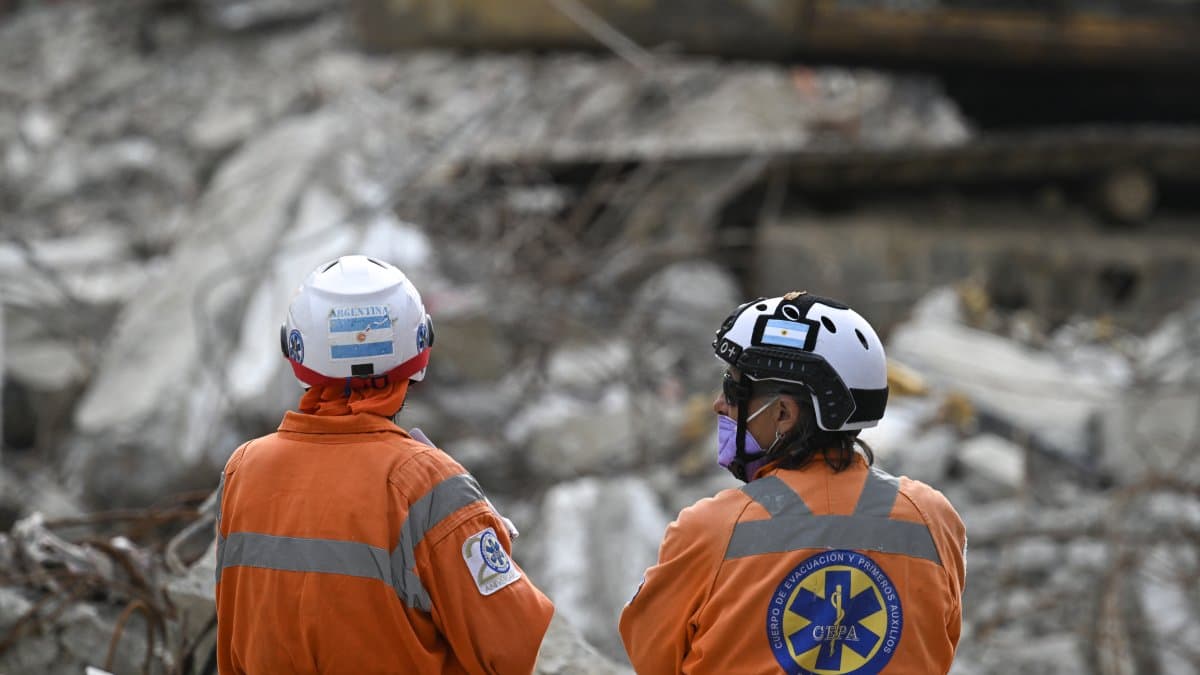
Emergency enters new phase
The IFRC launched an appeal to raise $60 million to assist some 300,000 people over the next two years. However, the organization reported that so far it has secured only about 25% of the necessary funds.
Craig called for "sustained and flexible funding" that can support families throughout their entire recovery process, not just during the weeks when "cameras are present."
A country still trying to get back on its feet
One month after the worst earthquake disaster recorded in Venezuela in decades, the emergency continues to unfold amid the grief of those still searching for their missing loved ones and the challenge of rebuilding entire communities.
While rescue teams slowly make their way through tons of concrete and thousands of Venezuelans try to rebuild their lives in temporary shelters, international organizations are united in one message: the tragedy did not end the day the earth stopped shaking; a long recovery has only just begun—one that could last years.
🛠 Do you think there is an error in this article?
Recommendations
LATEST