






Iran and US exchange attacks for sixth consecutive day as crisis in Strait of Hormuz escalates
White House Press Secretary Karoline Leavitt stated on Thursday that President Donald Trump is keeping the door open for diplomacy.
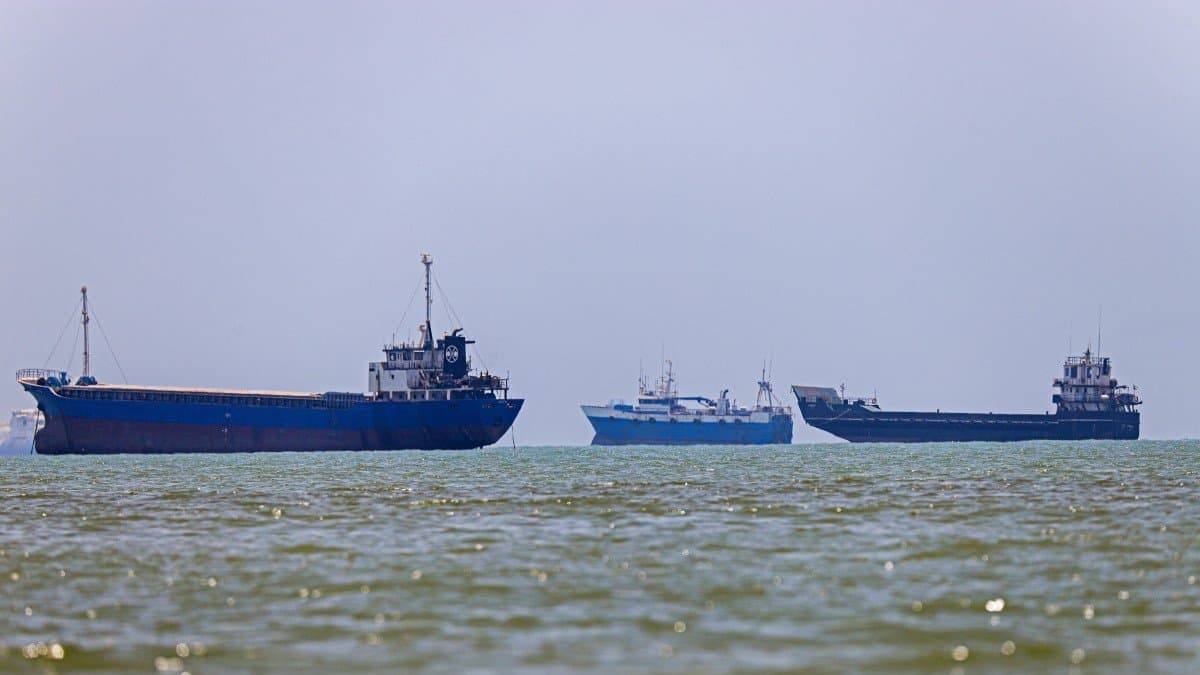

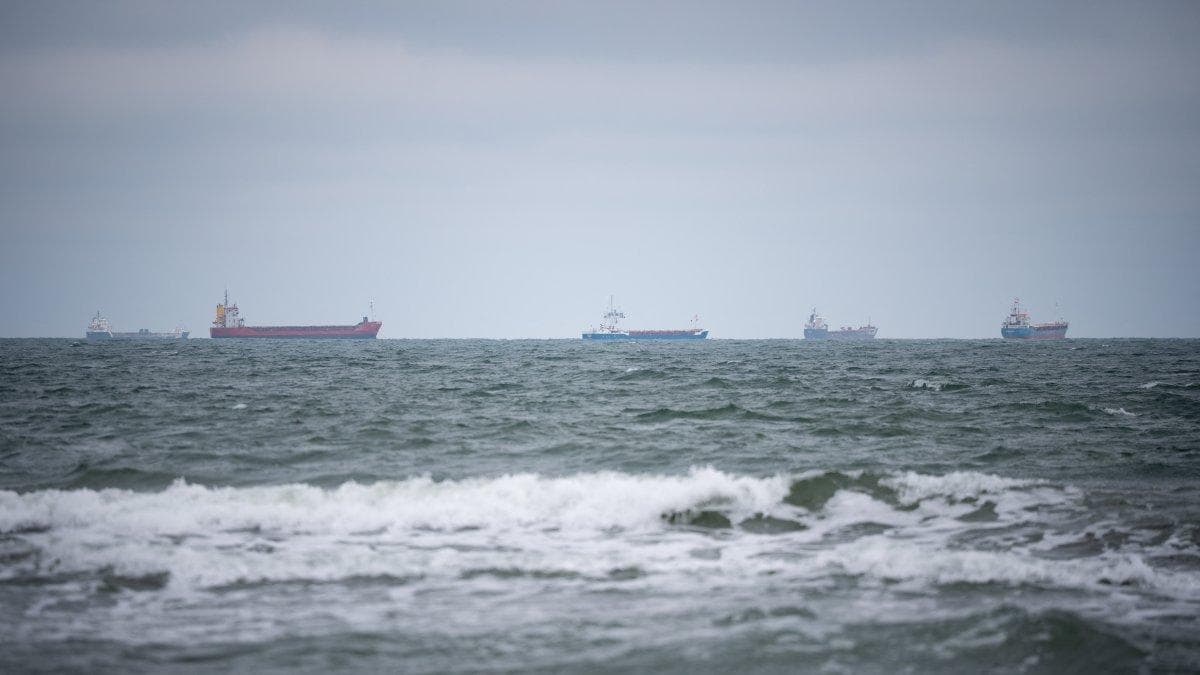
Iran and the United States exchanged attacks on Friday in a new escalation of the conflict in the Middle East, as both sides continue clashes around the strategic Strait of Hormuz, one of the main maritime routes for global oil and gas trade.
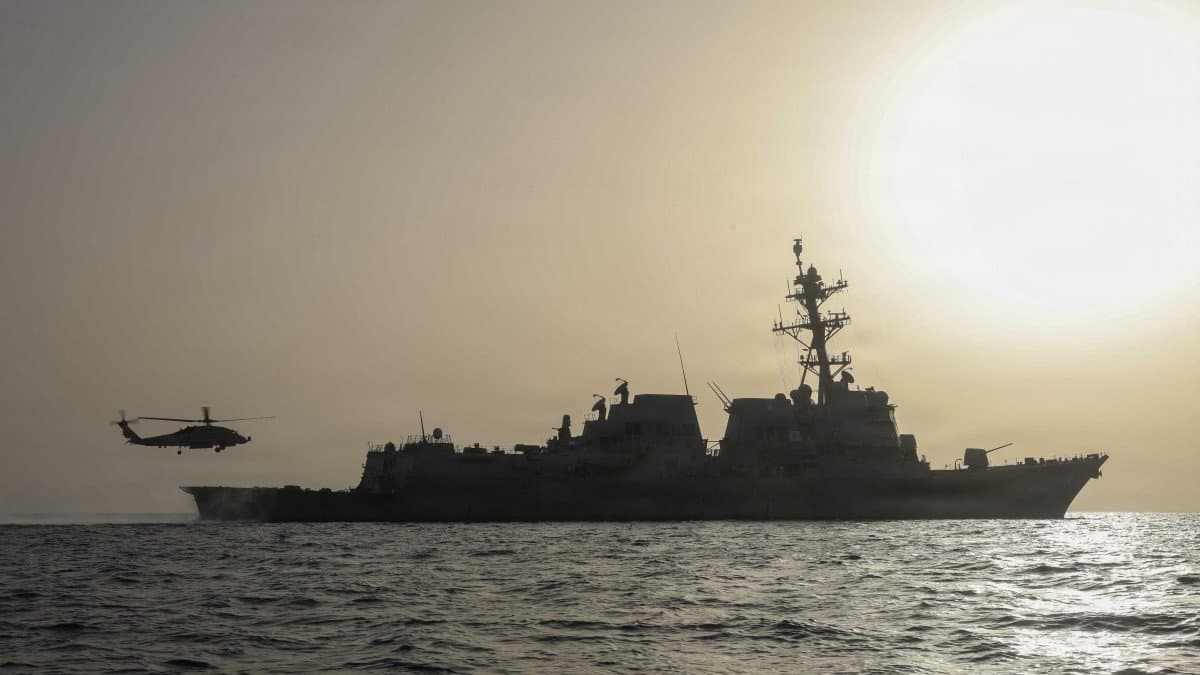
U.S. Central Command (CENTCOM) reported that its forces carried out strikes for the sixth consecutive night with the aim of "further degrading Iranian military capabilities."
In response, the Iranian Revolutionary Guard Corps claimed to have attacked two U.S. radar stations in Oman and the Al-Tanf military base in Syria.
"The IRGC announces a surprise attack on the enemy's Special Operations Command Center in Syria's Al-Tanf region in retaliation for the blood of the martyred Iranian soldiers in Iranshahr."
The Revolutionary Guard Corps also claimed to have "attacked and destroyed" two U.S. radar facilities in Oman, one dedicated to maritime surveillance and the other to aerial surveillance.
Tensions also spread to other countries in the region. Jordan reported that it shot down three Iranian missiles without any casualties or damage, while Kuwait said it was responding to missile and drone attacks. Bahrain and Qatar also reported attacks in the early morning; Doha stated that a minor was injured by falling debris after a missile was intercepted.
World
U.S. strikes Iranian airport, bridges and train station, reinforces naval blockade with boarding in Gulf of Oman
Emmanuel Alejandro Rondón
In Iraq, attacks in the autonomous Kurdistan region killed eight members of an Iranian Kurdish opposition armed group, according to the organization in exile, which blamed Tehran.
British maritime authorities also reported that an oil tanker was struck overnight by an "unknown projectile" off the coast of Oman. The vessel sustained minor structural damage, and the entire crew is safe.
Meanwhile, the U.S. military reported that it boarded a vessel in the Gulf of Oman as part of the reimposition of the blockade on Iranian ports and claimed to have diverted three vessels that were attempting to evade it.
Meanwhile, China and Pakistan issued a joint call for Washington and Tehran to cease hostilities and return to the negotiating table following a meeting held in Shanghai.
White House Press Secretary Karoline Leavitt stated on Thursday that President Donald Trump is keeping the door open to diplomacy.
"The president will hold them accountable when they turn their back on the words that they state to the United States. But he is always open to diplomacy at the very same time," Leavitt said.
The Strait of Hormuz and diplomacy
"I officially declare that if the Americans strike the infrastructure of the Islamic republic, then all infrastructure across the region will become legitimate targets for Iran," he said, according to Iranian state media.
A spokesperson for the Iranian military added that the country "will never back down over the Strait of Hormuz."
The current escalation comes just one month after the two countries reached a memorandum of understanding aimed at ending the conflict that began in February. However, hostilities have intensified once again, and international mediators are continuing to try to get both sides to resume negotiations.
🛠 Do you think there is an error in this article?
Recommendations

LATEST