ANALYSIS
The never-ending story | Trump confirms Iran's provocations are reigniting Middle East conflict: Ceasefire ‘is over’
The U.S. president is growing weary of Tehran's repeated violations of the memorandum of understanding and the attacks by the Revolutionary Guards against its neighbors.
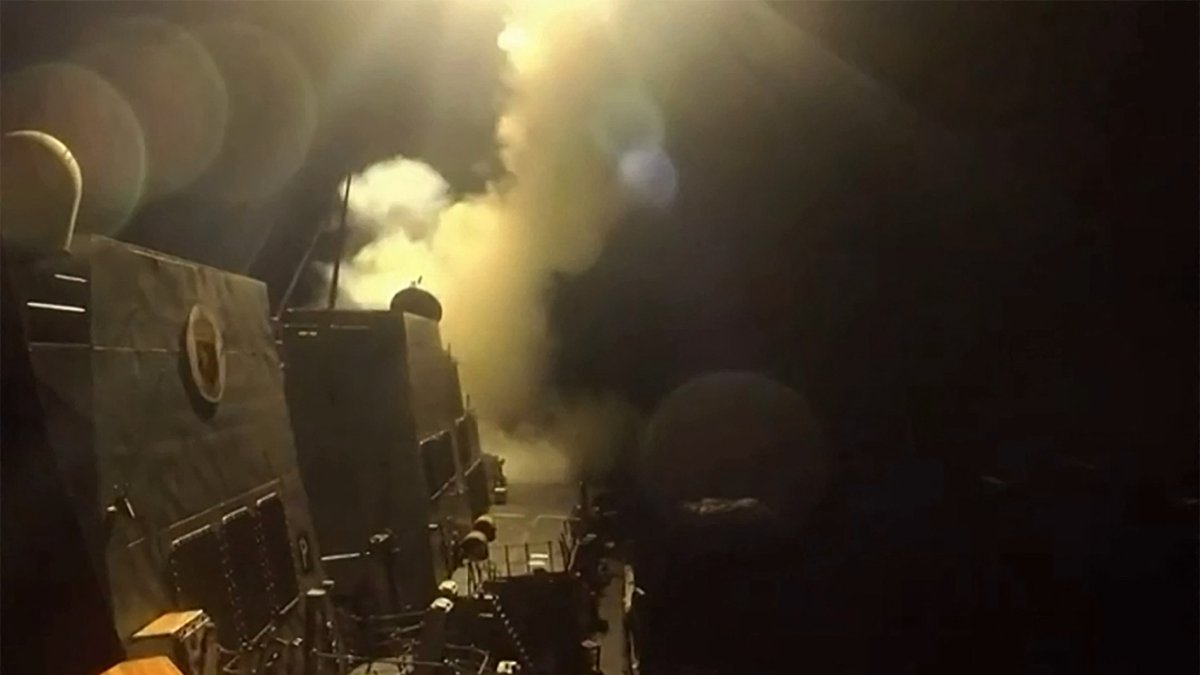
Attack on Iran

The never-ending story. The endless cycle. Déjà vu. Call it what you will, but any of these concepts sums up the situation in the Middle East right now. Neither threats nor generous agreements seem sufficient to end a conflict that never quite comes to a close and, like the phoenix, rises from its ashes with an even more scorching fire. And now more than ever, after Donald Trump announced at the NATO summit that ceasefire "is over.”
“As far as I'm concerned, it's over. … It's just a waste of time dealing with them," the president said. However, Trump left the door open to a negotiated solution: “Now, I’ll let our wonderful negotiators keep talking if they want, but I don’t see it. I don’t like these people.”
Iran’s M.O. remains the same, moreover. Determined to assert its right to control shipping through the Strait of Hormuz, after a relatively short period of peace, it is once again bombing vessels that attempt to cross it under the umbrella of the supposed ceasefire in effect.
World
The US launches massive airstrikes on Iranian territory following a violation of the ceasefire in the Strait of Hormuz
Andrés Ignacio Henríquez
This is a flagrant violation of the memorandum of understanding that each party seems to interpret in its own way (are there different translations?) and which, according to them, says whatever they want it to say. The response from the U.S. on each of these occasions has been to bomb Iranian positions with the aim of bringing the negotiators back to the table and trying to resolve a conflict that has dragged on far too long for a faction of the GOP that is concerned about its impact—both economic and political—on the upcoming midterms.
Bahrain, Kuwait and Qatar: Victims of Iran
Iran, with power divided among factions, including the bellicose and radical Revolutionary Guard Corps, wields significant influence—and, worse still, control over the weapons—and, far from backing down, chooses on every occasion to bomb its neighbors at energy facilities and U.S. bases to increase pressure on them.
On this occasion, the Iranian regime claims to have struck dozens of American targets in Bahrain and Kuwait, and both countries reported being the victims of bombings by Tehran.

Qatar—whose flag was flying on one of the ships targeted by an Iranian attack while attempting to cross the strait off the coast of Oman—claimed the attack against international maritime navigation as "unacceptable."
"We hold [Iran] fully legally responsible for this attack & for any resulting damage & consequences," wrote Majed Al Ansari, spokesperson for the Qatari Ministry of Foreign Affairs, on X.
Back to square one with a worthless memorandum
The result is that everything is back to square one following the failure of a memorandum of understanding that existed only on paper—wet paper—with no real power to silence the roar of the cannons. This exhausting and repetitive situation is sending shockwaves through global markets.
With the same players and the same cards, the breakdown of the truce was more than a possibility, despite pressure from those who preferred a negotiated agreement. Now, Donald Trump has ordered even more destructive strikes. In fact, the latest wave has been noticeably more intense than last month's, for the same reasons.
"Absolutely necessary": NATO backs U.S. strikes on Iran
It remains to be seen this time, following the president’s dressing-down of NATO in Ankara—claiming he was "very disappointed" over its stance in the conflict—whether the alliance will decide to take part in a confrontation in which member countries are staking their future and their economic present.
It remains to be seen whether the words of Secretary General Mark Rutte are true. He described the latest U.S. airstrikes that, according to CENTCOM, struck 80 targets on Iranian soil and vessels belonging to the Revolutionary Guards as "absolutely necessary," adding, "When you have a ceasefire and Iran is basically violating the ceasefire, ... I think it is totally crucial that the U.S. forcefully reacts."
LATEST