Crisis in Colombia’s transition: De la Espriella breaks off dialogue with outgoing government
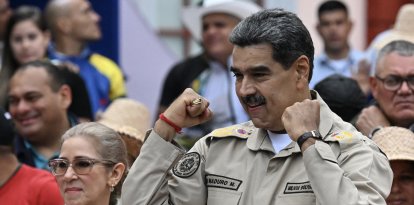
The president-elect ordered an “immediate” suspension of the transition process with the outgoing government, which he accuses of corruption. The decision deepens the confrontation with Gustavo Petro, who continues to refuse to recognize the results of the presidential election, despite the fact that electoral authorities and international observers have validated the election.
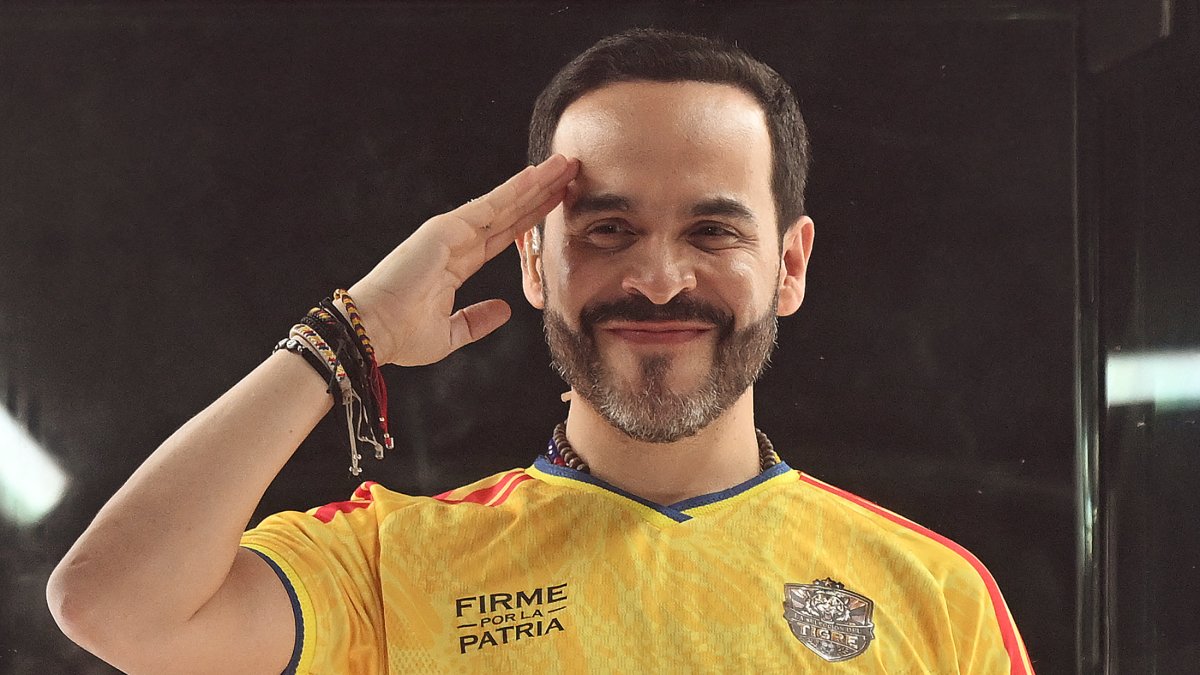
Abelardo de la Espriella, Colombia’s new president

The president-elect of Colombia, Abelardo de la Espriella, announced on Tuesday the immediate suspension of the transition process with Gustavo Petro’s government, a decision that heightens political tension one month before the scheduled transfer of power on Aug. 7.
In a post on X, de la Espriella reported that he had instructed his team to “immediately suspend the transition process with the corrupt government whose term is ending,” asserting that during the first working sessions, alleged evidence of corruption and irregular contract awards had been detected.
"My duty is to protect the interests of the nation and ensure a serious, transparent transition that serves the Colombian people—never to legitimize the disaster or the disregard for the constitutional order," stated the president-elect, who added that he would explain the reasons for the decision in greater detail later in the day.
An escalating confrontation
The suspension of the transition comes after several days of escalating clashes between the two administrations. Although the transition process had begun with a schedule of technical meetings and sector-specific roundtables set to conclude by July 31, the atmosphere rapidly deteriorated due to mutual accusations between the outgoing and incoming administrations.
De la Espriella alleges that Petro’s government committed administrative irregularities, including last-minute appointments and contracts awarded before the change of command. He even announced the formation of a legal team to document and file complaints regarding the findings detected during the transition.
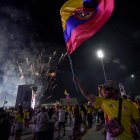
Petro rejects the election's result
The confrontation is also fueled by Petro’s refusal to recognize the legitimacy of de la Espriella’s election victory, who defeated the ruling party’s candidate, Iván Cepeda, by a narrow margin in the runoff.
Petro insists that electoral fraud took place, although he has not yet presented conclusive evidence. Both the National Electoral Council and international observation missions ruled out irregularities in the voting process.
The outgoing president also called for protests on July 20, the date on which he also plans to deliver a farewell speech. Meanwhile, Senator Iván Cepeda officially acknowledged the results, though he announced that he will pursue a strategy of “civil disobedience” against the new government.
A start to the term marked by polarization
In recent days, he has already confirmed the future ministers of the interior, finance, the environment, and defense, while the transition process—which initially sought to ensure an orderly institutional handover—has been virtually paralyzed by the rift between the two administrations.
LATEST