US-Iran: What if the problem is the translators?
The optimism in Washington and Tehran regarding the “imminence” of a final peace agreement stands in stark contrast to the diametrically opposed accounts each side gives of the same pact.
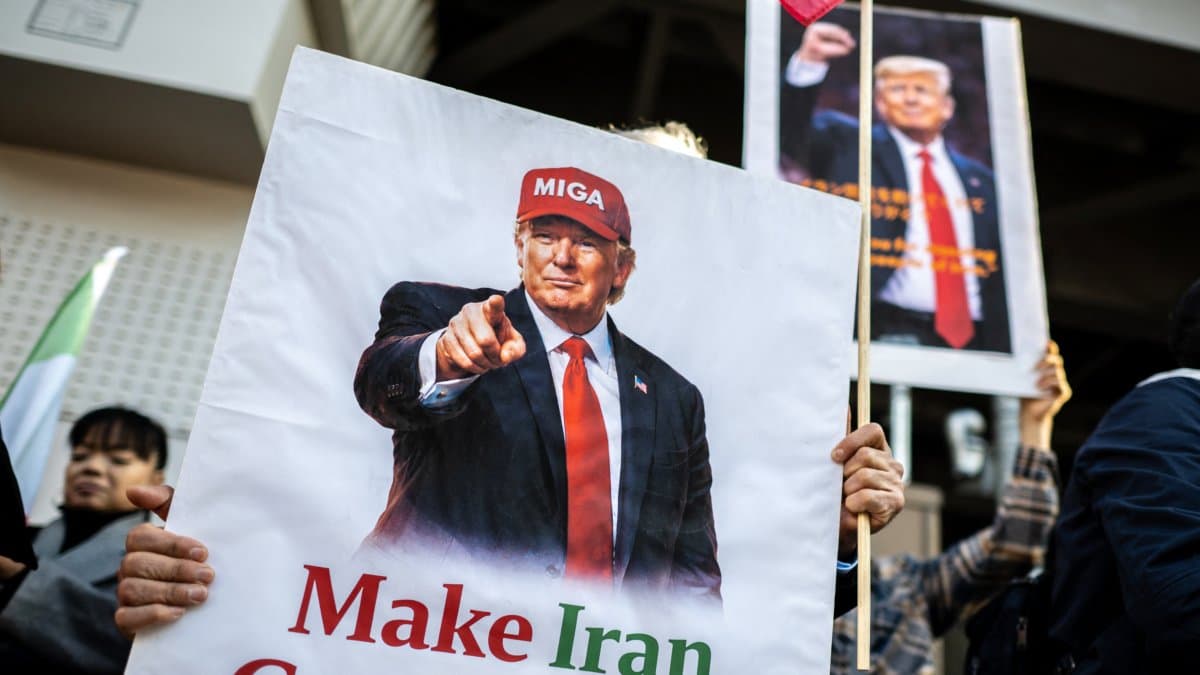

Washington and Tehran each separately claim the peace agreement "is closer than ever," and even dare to put a percentage on the progress of the matter: "between 80-85%" chance it will be signed. However, the accounts from each side could not be more contradictory on every critical point. At this point... what if the problem were the translators?
Because it’s hard to explain, without the famous "lost in translation," why they are jumping the gun with the supposed imminent end of a conflict that is seriously straining the global economy while Trump and the ayatollahs claim to be on the verge of signing different documents.
Even though oil plunged below $90 a barrel on Friday, and the world’s major leaders want to send a message of optimism and buy into the idea that the conflict is nearing its end without analyzing the rest, that remaining part is very concerning.
<cite class="c-detail__cite__title">And the fact is that this “rest,” this 15–20% of disagreement, is precisely what has led to the conflict, and what has kept it alive even amid this fragile ceasefire which, in Trump’s words, means “shooting a little less.”</cite>
According to some euphoric ayatollahs, the U.S. has agreed to hand over control of the Strait of Hormuz to them and was even going to negotiate tolls for passing ships. According to Washington, the opening of the strait is non-negotiable and is guaranteed by the negotiated agreement.
While Tehran celebrates that it will be able to continue enriching uranium, Trump was adamant that the material that would allow Iran to develop a nuclear weapon will be destroyed and subsequently removed from the country. In a final message, Foreign Minister Araqchi expressed willingness to dilute the 60% enriched uranium, close to the 90% needed for a bomb, down to 5%.
Additionally, the ayatollahs claimed that $24 billion frozen by Washington would be unfrozen, a claim that was also denied, in this case, by Vice President JD Vance:
<cite class="c-detail__cite__title">"The Iranians are not receiving cash, and funds are not being released simply for signing an agreement or attending a meeting. If the Islamic Republic of Iran fulfills its obligations, then economic benefits will flow to them as well as to the entire region."</cite><span class="c-detail__cite__author">JD Vance, U.S. Vice President</span>
It is worth recalling that just a few hours earlier, Treasury Secretary Scott Bessent insisted in his proposal to use these seized funds to repair the damage caused by Iranian attacks on neighboring U.S. allies.
Nor can we forget that, according to Iran, the treaty also provides for an end to the conflict on the other major front of the war, the one opened by Hezbollah with its attacks against Israel. Tehran claims that Netanyahu would be forced to halt the Israel Defense Forces’ responses to the terrorist group’s continued violations of the ceasefire reached with Lebanon. However, the Israeli government asserts that Trump has guaranteed its right to self-defense.
Faced with such diplomatic nonsense, one can only assume that the translators have presented each side with a document containing what they want to read, without considering the opposing side’s position or the common ground.
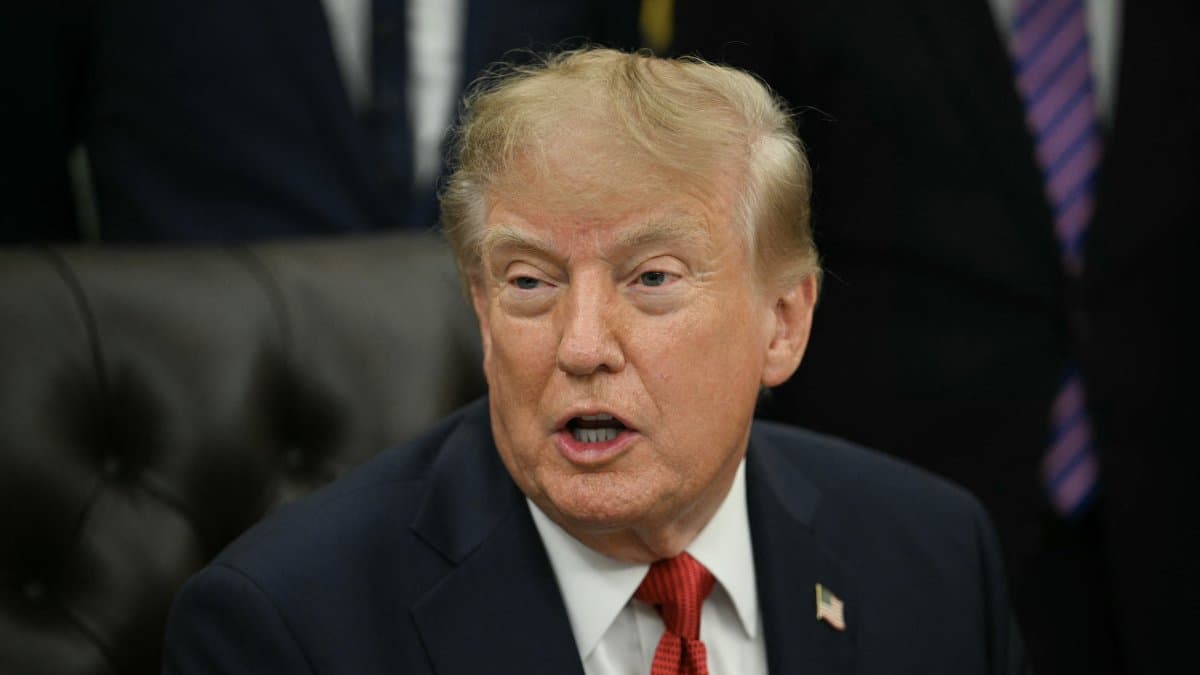
The curious thing is that, even after the clashes over the versions, including Trump’s outburst accusing the ayatollahs of being “people without honor” with whom “one cannot negotiate in good faith,” both sides continue to shout from the rooftops that “the agreement has never been so close.”
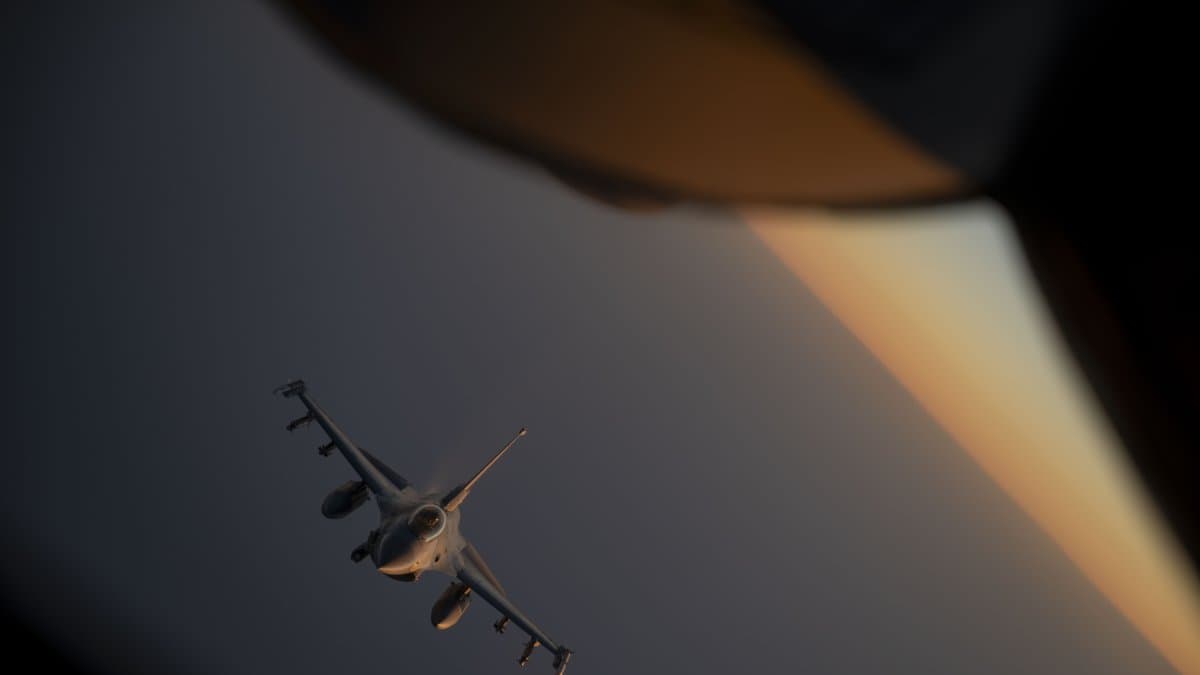
What will be the next step? Will an almost immediate signing finally be reached, something that, on the other hand, Trump has already announced up to 39 times, according to CNN's count, or will it be the planes, ballistic missiles and drones, a language that is unequivocal and needs no translation, that will once again have the final say in the Middle East?
Perhaps a first step would be to review what the translators-mediators are saying. Because... what if the problem were the translators?
🛠 Do you think there is an error in this article?
Recommendations
LATEST