ANALYSIS
Controversy with Iran resurfaces: Tehran denies agreement to allow IAEA inspectors to visit its nuclear facilities and asserts it will maintain control of the Strait of Hormuz
Negotiators for the Ayatollahs’ regime contradicted the message issued by Vice President Vance the previous day and cast doubt on the status of the negotiations.
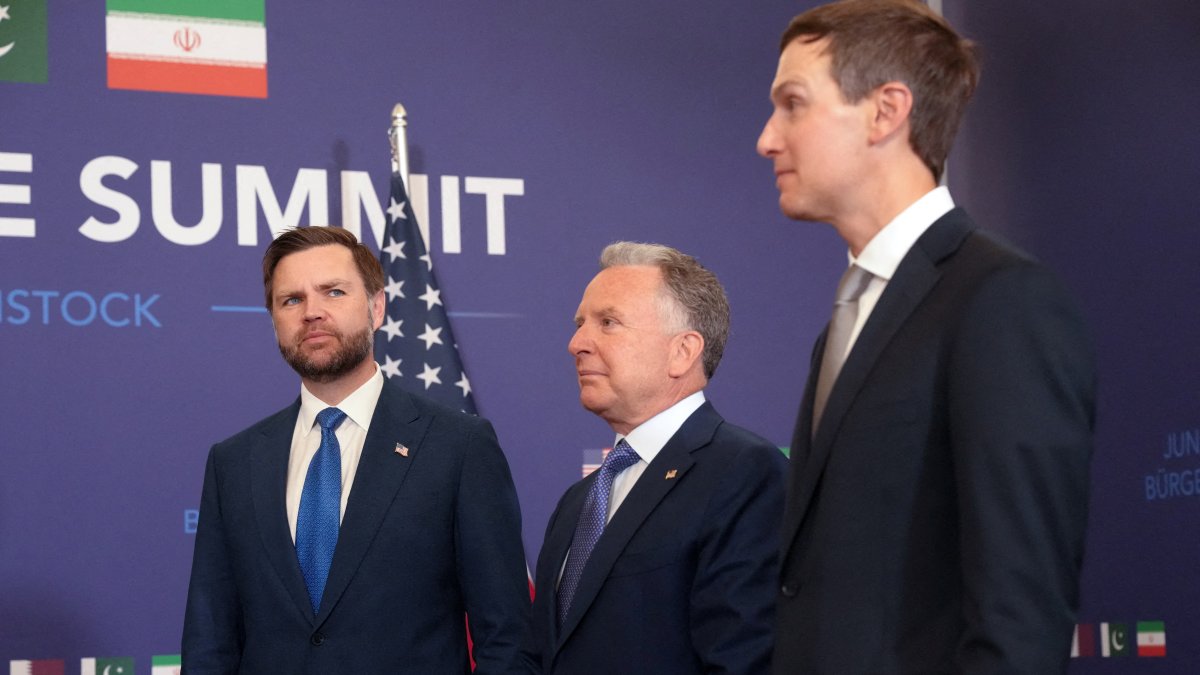
Vance, Witkoff, and Kushner in Geneva

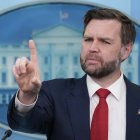
Iran has done it again. Less than 24 hours after JD Vance announced progress in peace talks on the most contentious issues with Iran, Tehran has offered a version that differs significantly from that presented by the vice president.
While Vance celebrated on Monday that “a very solid foundation for a successful final agreement” had been laid, statements from Iran paint a much bleaker picture regarding the Strait of Hormuz and the ayatollahs’ nuclear program.
Iran “does not anticipate” IAEA inspectors visiting its facilities
Thus, contrary to the vice president’s claims that Iran had agreed to allow UN inspectors to visit Iranian nuclear facilities, the foreign ministry spokesman for the Ayatollahs’ regime, Esmail Baqai, maintained the opposite:
“We have not held any meetings with the Director General of the International Atomic Energy Agency, nor do we anticipate that the agency will inspect Iranian nuclear facilities damaged by U.S. and Zionist military aggression.”
"The administration of the Strait of Hormuz will never return to what it was before the war"
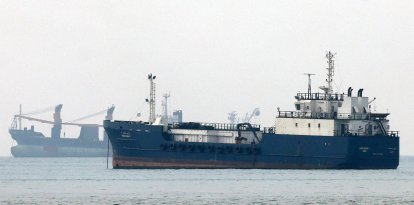
Furthermore, Mohammad Bagher Ghalibaf, chief negotiator and speaker of the Iranian Parliament, stated before leaving Switzerland after 18 hours of talks with Vance that Iran will maintain control over maritime transit in the Strait of Hormuz.
“Everyone should know that the administration of the Strait of Hormuz will never again be what it was before the war,” said Ghalibaf, who insisted that it will be “administered by Iran.”
"Iran will be the 'only country' to decide how to use the unfrozen assets"
They also failed to reach an agreement on who will manage and how the money that the U.S. will unfreeze from Iranian funds as part of the agreement may be spent. According to Vance, these assets have not yet been unfrozen and, if they are, they would be used to purchase U.S. products, such as soybeans, and would not be used to finance terrorism.
However, Ali Bahreini, Iran’s ambassador to the United Nations in Geneva, strongly rejected that claim:
“Iran is the only country that will decide what to do with its assets, which are going to be unfrozen. I reject any claim by (Washington) that there should… be any role for any other country to influence those decisions or those processes.”
Four technical committees are established
In addition, Tehran confirmed on Tuesday that the technical talks had concluded and announced the creation of four working groups to address the main issues.
"It was decided to create four committees on the lifting of sanctions, the nuclear issue, reconstruction, and economic development (of Iran), as well as a monitoring group," Iranian Deputy Foreign Minister Kazem Gharibabadi told the IRNA news agency, according to AFP.
The Lebanese front
Furthermore, the Lebanese front, with the ongoing conflict between Israel and Hezbollah due to the terrorist group’s repeated violations of the ceasefire, is another hot potato that must be resolved for the negotiations to succeed.
LATEST