Energy opening: Venezuela finalizes five key agreements with Shell, including the Loran mega-gas field
The signing of these definitive agreements formalizes the preliminary intentions outlined at the beginning of the year.
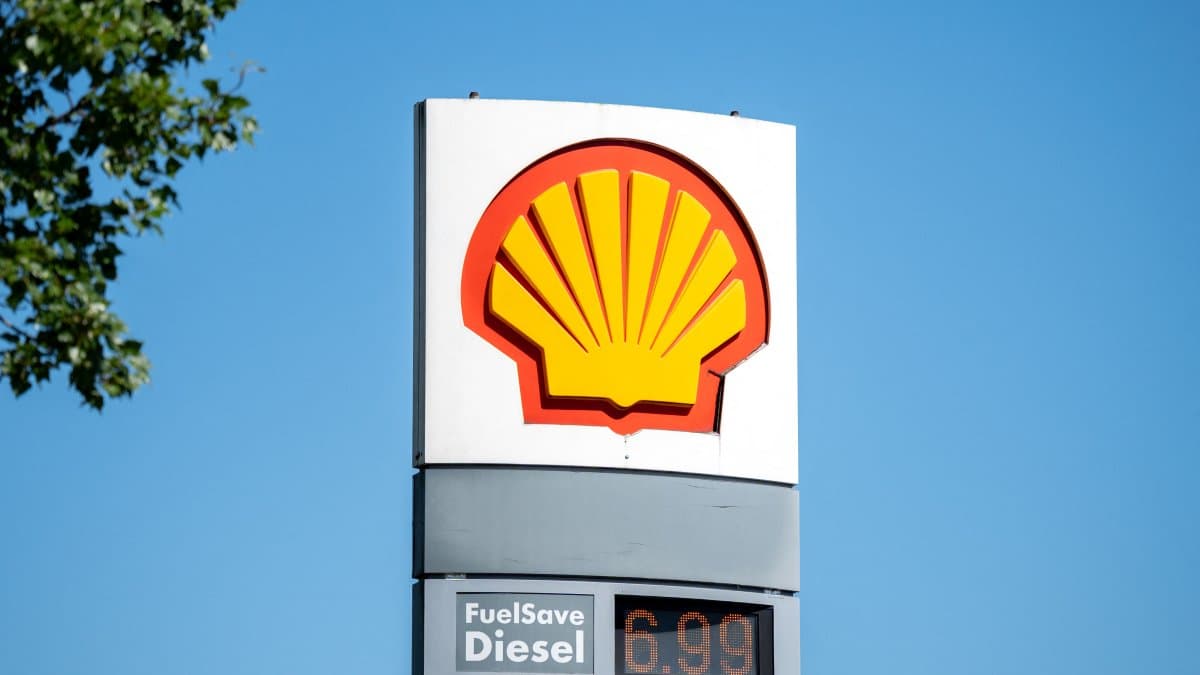

On Thursday, Venezuela formalized an ambitious restructuring of its hydrocarbon industry by signing five strategic agreements with the British oil corporation Shell.
The economic agreements ensure the multinational's participation in large-scale oil and gas projects, with a primary focus on the commercial exploitation of the coveted Loran offshore gas field, estimated at 7 trillion cubic feet and extending into Trinidad and Tobago's territorial waters.
The signing of these definitive agreements formalizes the preliminary intentions outlined at the beginning of the year.
In this way, Shell positions itself as one of the first major transnational corporations to capitalize on the new investment opportunities and economic opening that emerged in the South American nation following the capture of Nicolás Maduro by U.S. security forces last January.
The strategic alliance establishes the operational guidelines for Venezuela to formally launch its offshore gas exports by interconnecting with Trinidad and Tobago’s platforms, where the raw material will be processed into liquefied natural gas.
The Dragon project will complement this infrastructure effort—another reserve of 4.2 trillion cubic feet in which Shell already holds an active interest—thereby boosting the exploitation of Venezuela’s vast underground gas reserves.
"We are taking a historic step by signing this license for phase one of the Loran field development plan," interim President Delcy Rodríguez stated during the signing ceremony for the agreements.
The new regulatory terms restore to Shell, a company that had previously scaled back its operations and closed offices in the country, a leading role on the list of preferred partners of the state-owned PDVSA for the development of critical infrastructure.
Technical partnerships in Monagas and emissions reduction
Beyond the gas sector, the institutional delegations signed a technical cooperation agreement to optimize equipment supply and expand production at oil fields in northern Monagas.
The hydrocarbons extracted at these locations will provide the diluents needed to increase the availability of Merey, the flagship heavy crude oil in the national export basket, while also ensuring a steady supply to local refining complexes.
Likewise, the parties ratified a supplementary agreement to acquire technological components to reduce gas flaring into the atmosphere, a technical measure designed to increase industrial efficiency.
This revival of the Western private sector in the Caribbean basin will be complemented by the participation of the British company BP, which similarly signed agreements with authorities in April to join exploration efforts at the Loran field and the adjacent Cocuina-Manakin block.
World
Pete Hegseth issues stern ultimatum to Cuba and warns seeking strategic weapons will provoke forceful response
Andrés Ignacio Henríquez
Politics
The Plot to Save Maduro: Inside the Oilmen, Lobbyists, Influencers, and even Trump Officials Who Worked to Undermine Rubio
Emmanuel Alejandro Rondón
🛠 Do you think there is an error in this article?
Recommendations





LATEST