Colombia breaks with communist axis: De la Espriella announces he will cut ties with Cuba and Nicaragua
The president-elect also confirmed the closure of 14 embassies and 15 consulates, the reopening of diplomatic representation in Jerusalem, and the reversal of several foreign policy decisions adopted during Gustavo Petro's term.
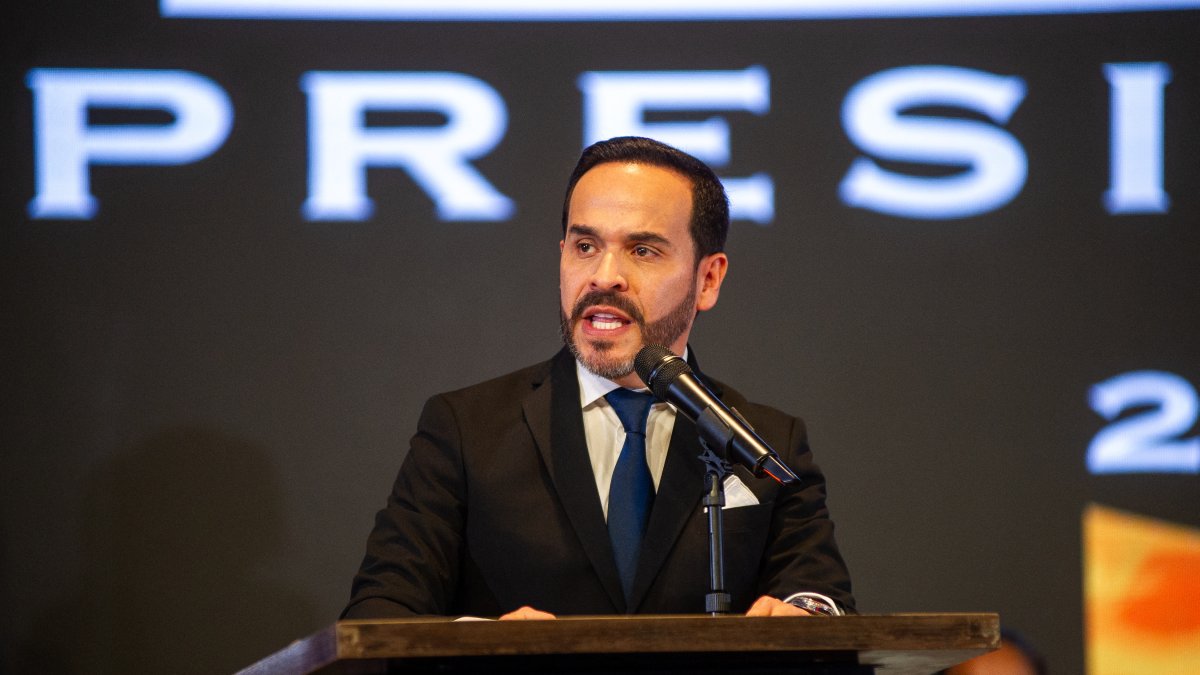
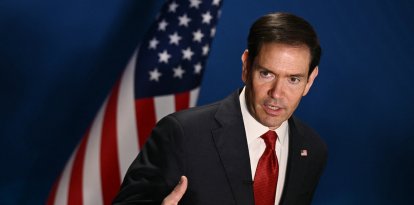
Colombia's president-elect, Abelardo de la Espriella, during a press conference

The president-elect of Colombia, Abelardo de la Espriella, announced this Sunday a major shift in the country's foreign policy, confirming that, once he takes office on August 7, he will sever diplomatic relations with Cuba and Nicaragua, while also pushing for a broad restructuring of the Colombian foreign service.
In a message posted on his social media accounts, De la Espriella stated that his administration will not maintain ties with governments it considers authoritarian.
"In my government, there will be no ties whatsoever to tyrannies," the president-elect declared, referring to the regimes in Havana and Managua.
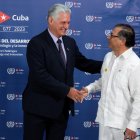
The decision marks a radical shift from the outgoing president's foreign policy, Gustavo Petro, who strengthened relations with both dictatorships during his term.
Closure of embassies and consulates to reduce spending
As part of the diplomatic reorganization, De la Espriella announced the closure of 14 embassies and 15 consulates, arguing that the measure will reduce public spending and allow for greater resources to be allocated to national security.
Among the diplomatic missions that will cease operations are Colombia's embassies in:
- Algeria
- Haiti
- Barbados
- Hungary
- Senegal
- Ethiopia
- South Africa
He also reported that he will consolidate Colombia's diplomatic missions in France and Italy, integrating the missions to international organizations such as UNESCO and the FAO to optimize resources.
Despite the reduction in the diplomatic network, the president-elect assured that Colombia will continue to provide consular services to its citizens through other diplomatic missions.
"With the rest of the countries and organizations, Colombia will maintain its international relations and guarantee assistance to its citizens," he said.
Shift in policy toward Israel and Palestine
Another decision announced involves reversing one of the Petro administration's most symbolic measures on international affairs.
De la Espriella confirmed that he will reopen the Colombian embassy in Jerusalem and order the suspension of plans to establish an embassy in Palestine, an initiative promoted by the current president. The decision marks a departure from the diplomatic line adopted by Petro, who in 2024 severed relations with Israel in protest of the Israeli military offensive in the Gaza Strip.
A regional context marked by the hardening of the Ortega regime
In the case of Cuba, De la Espriella did not provide further details on the legal mechanism through which the severing of relations will be formalized, although he made it clear that his administration will not maintain diplomatic relations with the Cuban regime.

Barranquilla as the presidential seat
As part of his package of institutional reforms, the president-elect also announced that Barranquilla will be the permanent seat of the Presidency of the Republic, while the historic Casa de Nariño in Bogotá will be converted into a museum open to the public.
He also reiterated his intention to be sworn in as president in the city of Cali, a proposal that must be approved by the Colombian Congress in the coming days and which has sparked intense political debate.
This series of announcements confirms the incoming administration's intention to bring about profound change in both foreign policy and the institutional organization of the Colombian state, breaking with several of the key decisions adopted during Gustavo Petro's administration.
LATEST