






'This is communism': Mamdani's plan for public supermarkets sparks a strong Republican backlash
The mayor of New York promises food that is 30% cheaper at five publicly funded supermarkets. Republican lawmakers, small business owners and critics of economic interventionism warn that the measure could distort the market, harm private businesses and open the door to a model of permanent subsidies.
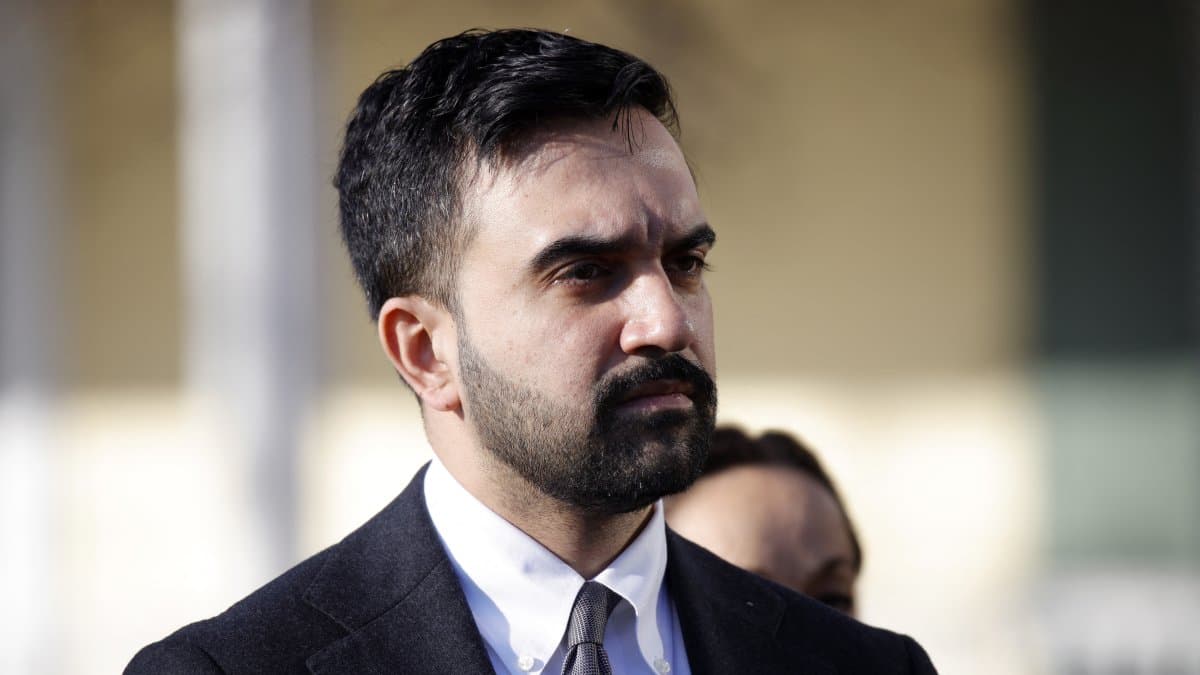

The new plan by the New York Mayor Zohran Mamdani, to create a network of municipally owned supermarkets has sparked an immediate reaction among Republican leaders and free-market advocates. They view the initiative as an example of growing government intervention in the economy and compare it to policies historically implemented by socialist regimes.
The announcement was made on Monday by Mamdani himself as part of his agenda to allegedly combat the high cost of living in the city. The project calls for the opening of five supermarkets, one in each New York City borough, where a basket of basic food items will be sold at prices 30% lower than those in traditional retail stores. The city will allocate at least $70 million to launch the initiative and will cover costs such as rent for the premises and property taxes, while private operators will handle day-to-day management.
"This is communism"
Criticism was not long in coming.
The chair of the House Republican Conference, Lisa McClain, described the project as an example of economic policies typical of communism.
"This is COMMUNISM," the Republican congresswoman wrote on her official X account.
McClain argued that history has shown the consequences of such measures and described what, in her view, the program's evolution would be.
This is COMMUNISM.
We have history to show exactly what will happen:
1) Gov opens subsidized grocery stores at 30% below cost.
2) Local stores can’t compete and go under. The city store becomes the only option.
3) Shelves go empty. Rationing starts (“2 per customer”). There will… pic.twitter.com/rGfkFaQNPP
As she explained, the government begins by opening subsidized supermarkets with artificially low prices, which prevents private businesses from competing. Once competition disappears, she asserted, state-run stores end up becoming the only option available to consumers.
The lawmaker asserted that this process subsequently leads to supply problems, rationing, long lines to purchase basic goods, a progressive deterioration in food quality and a permanent increase in public spending.
"They didn't solve the hunger problem. They simply created another Soviet-style bread line," McClain concluded in her post.
Politics
Mamdani challenges Trump's immigration policy and promises to protect Haitians and Syrians
Diane Hernández
The controversy erupted on social media
"Mamdani just announced that he will open five city-run, tax-funded grocery stores. Prices will be set 30% below retail prices," the account summarized; its post garnered thousands of interactions within hours of the measure being announced.
The posts fueled an intense debate about the role of the state in the economy and the limits of competition when a public administration directly enters a market dominated by private companies.
Mamdani's plan
The mayor maintains that the initiative will help ease the financial burden on families in one of the country's most expensive cities.
According to City Hall, the 30% discount will apply to a "basic basket" of essential products, which will include fruits, vegetables, meat, fish, dairy products, bread, rice, pasta, eggs and other everyday foods. The administration estimates that shoppers could save around $90 a month, or about $1,000 a year.
The first supermarket is set to open in Hunts Point, in the Bronx, by the end of 2027, while another planned location will be in La Marqueta, in East Harlem. The mayor's goal is to have all five stores up and running before the end of his term.
Although the supermarkets will be municipally owned, the city has begun a process to select private operators to manage the stores.
Politics
The 'pied-à-terre' tax arrives in New Yorkers' mailboxes: Mamdani confirms start of collection for homes valued over $5 million
Emmanuel Alejandro Rondón
A model reminiscent of state-planned economies
The comparison to planned-economy models has become one of the main arguments of the Republican opposition.
For decades, countries such as the former Soviet Union, Cuba and Venezuela developed state-run food distribution systems under the pretext of guaranteeing the population's access to basic goods.
Over time, these models became associated with shortages, price controls, rationing, long lines, and high fiscal costs, circumstances that critics of Mamdani's plan cite when warning of the risks of expanding government intervention in the food market.
They also question the cost to taxpayers
The criticism is not limited to ideological considerations.
Various analysts and fiscal organizations have called on the City Council to publish a detailed study on the project's budgetary impact, its effect on private supermarkets and the cost of maintaining the discounts once the stores become operational. The Citizens Budget Commission, an independent fiscal watchdog group in New York, questioned whether subsidizing grocery stores for all consumers is the most efficient way to combat food insecurity and called for a public analysis of the program's sustainability.
Meanwhile, some critics have calculated that the $70 million earmarked to build the stores could fund more than one million memberships at private wholesale chains like Costco, thereby avoiding the creation of a new permanent public structure.
Although City Hall insists that the initiative represents a new tool for lowering the cost of groceries, the project has already become one of the first major political battlegrounds of the Mamdani administration and a new chapter in the national debate over how far the government should go in the economy.
🛠 Do you think there is an error in this article?
Recommendations

LATEST