Idaho murders: Bryan Kohberger now intends to plead not guilty, lashes out at his lawyers
The man, convicted of the murders of four University of Idaho students, maintains in a brief filed with the court that he is innocent, that his attorneys pressured him to accept the plea deal that spared him the death penalty, and that they withheld evidence that could have worked in his favor.

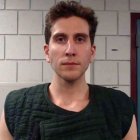
Photo of Bryan Kohberger taken by authorities

Bryan Kohberger, convicted of the murder of four University of Idaho students, has launched a new legal effort to overturn one of the most high-profile criminal cases in the country in recent years. The former doctoral student in criminology filed a motion to vacate the guilty plea he signed in 2025, alleging that he was induced to accept it through "coercion, misinformation, and false promises."
The request, submitted in handwritten form from Idaho's maximum-security state prison, comes just over a year after Kohberger agreed to plead guilty to the murders of Kaylee Goncalves, Madison Mogen, Xana Kernodle, and Ethan Chapin, which occurred in November 2022 at a residence near the university campus in Moscow, Idaho. In exchange for that plea, he avoided the death penalty and received four consecutive life sentences, in addition to an additional conviction for theft.
What is Kohberger arguing now?
In the new court petition, Kohberger maintains that he should never have pleaded guilty and claims that his defense team withheld relevant information from him before accepting the plea deal with the prosecution.
According to the document, he claims there was "new exculpatory evidence" and specifically mentions the existence of hairs found on Ethan Chapin's hand, evidence that, according to him, was never adequately explained during the plea bargain negotiations.
Furthermore, he accuses his own attorneys of withholding potentially exculpatory evidence from him; exerting psychological pressure to get him to accept the plea deal; exaggerating and falsely describing the conditions he would face if sentenced to death; and promising him better living conditions in prison if he pleaded guilty.
In his brief, he maintains that he was the victim of "coercion, misinformation, false promises, and the withholding of exculpatory evidence"—circumstances that, according to him, invalidate his guilty plea.

He also maintains his innocence
In a statement sent to The New York Times, Kohberger went even further and asserted that he maintains an "absolute claim of innocence."
"My true innocence is my truth, and the guilty plea, based on false promises and blatant misinformation, must be withdrawn."
Furthermore, he stated that he is willing to face a full trial, even if that means that the prosecution seeks the death penalty again.
Why did he plead guilty?
The plea agreement reached with the prosecution in July 2025 avoided a trial that would have lasted several weeks and likely would have publicly exposed all the evidence gathered by investigators.
During the guilty plea hearing, the judge repeatedly asked Kohberger whether he was acting of his own free will and whether he was admitting to the murders because he was guilty. On each occasion, he answered in the affirmative.
The plea agreement also spared him the death penalty, which in Idaho can be carried out by firing squad.
Evidence presented by the prosecution
- DNA found on a knife sheath located at the crime scene.
- Surveillance camera footage.
- Cell phone data placing Kohberger near the victims' home on multiple occasions.
- Testimony from survivors.
- Other forensic evidence gathered during the investigation.
Can he now withdraw his guilty plea?
Yes, but doing so is extremely difficult.
In Idaho, once a sentence has been handed down, a convicted person can only withdraw a guilty plea if they can demonstrate that upholding it would constitute a "manifest injustice," a very high legal standard.
Among the reasons that could justify such a move is proving that the defense was ineffective or that the defendant accepted the plea agreement without fully understanding its consequences. It will now be up to the court to determine whether Kohberger's allegations meet that requirement.
Society
Judge accepts Bryan Kohberger's guilty plea: He will remain in prison for life
Alejandro Baños
Families remain divided
The plea agreement had already caused divisions among the victims' families.
Kaylee Goncalves' family harshly criticized the prosecution for accepting the plea deal, arguing that a trial would have revealed the motive for the murders and answered questions that remain unresolved.
In contrast, the families of Madison Mogen and Ethan Chapin supported the agreement because it avoided a lengthy and extremely painful legal process, with weeks of public exposure of the details of the crime.
What happens next
The petition filed by Kohberger initiates a post-conviction review proceeding. The court must first decide whether his allegations even warrant reopening the case.
If the judge concludes that there are insufficient grounds to demonstrate that his plea was involuntary or the result of inadequate defense, the request will be denied and the four life sentences will remain in effect. If, on the other hand, the court finds that there are sufficient legal grounds, a new trial could be initiated, which would reignite one of the most closely followed criminal cases of the past decade in the United States.
LATEST