






Pete Hegseth issues stern ultimatum to Cuba and warns seeking strategic weapons will provoke forceful response
Hegseth’s presence in Guantanamo reinforces the White House’s firm continental stance under the Trump administration.
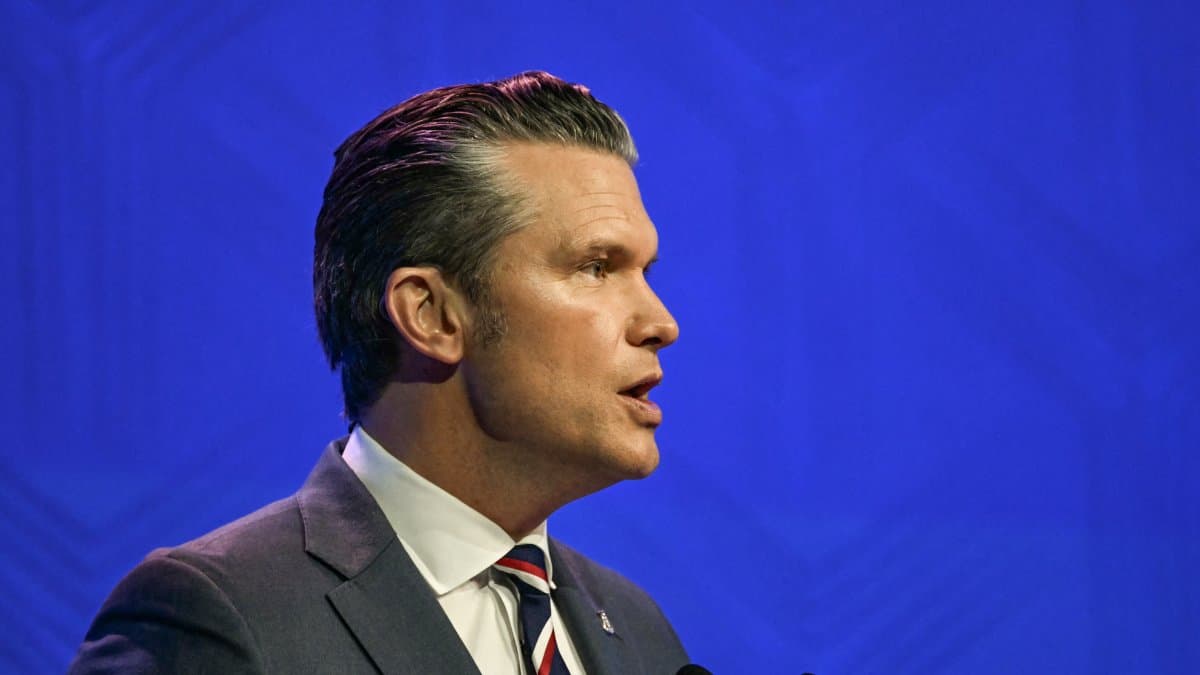

The Trump Administration has sent an unequivocal signal of military deterrence directly to the doorstep of the Castro regime.
U.S. Secretary of War Pete Hegseth warned the Cuban government on Wednesday that any attempt to acquire or facilitate access to weapons capable of striking the U.S. mainland or the Guantanamo Bay naval base will provoke an armed response that Havana will be unable to withstand.
The Pentagon chief’s statement came during a speech to troops stationed at the military enclave of Guantanamo, on the island of Cuba, in what represents the latest in a series of strategic deployments aimed at forcing political change in the Caribbean nation.
"It would be imprudent on the part of the Cuban government to attempt to procure or gain access to the types of weapons that could reach this base or the U.S. homeland," the secretary stated.
A warning from the border: The White House’s options
Hegseth’s presence on the perimeter of the naval base reinforces the White House’s firm stance under the Trump administration.
Without offering specific details about the type of arsenal under suspicion, the official highlighted the asymmetry in capabilities between the two nations. "They would be inviting the kind of confrontation that they not only do not want but could not withstand. No country on Earth can match the capabilities of the United States of America," he stated.
The Secretary of Defense clarified that Washington remains hopeful of fostering a constructive relationship with a future Cuban leadership, contingent upon democratic reforms. However, he clarified that the mission of his agencies is technical and operational:
"For now, let’s see what happens. But the Department of Defense will provide the commander-in-chief with every option he needs within that contingency," he said.
This visit follows the recent trip by the head of U.S. Southern Command, General Francis Donovan, and the unusual stop in Havana made in May by CIA Director John Ratcliffe.
Diplomatic pressure, energy blockade, and the Venezuela factor
The U.S. administration’s offensive against the hemisphere’s socialist axis has intensified significantly in recent weeks. On May 20, the U.S. justice system formally charged former dictator Raúl Castro with four counts of murder for the shooting down of civilian planes carrying exiles in 1996.
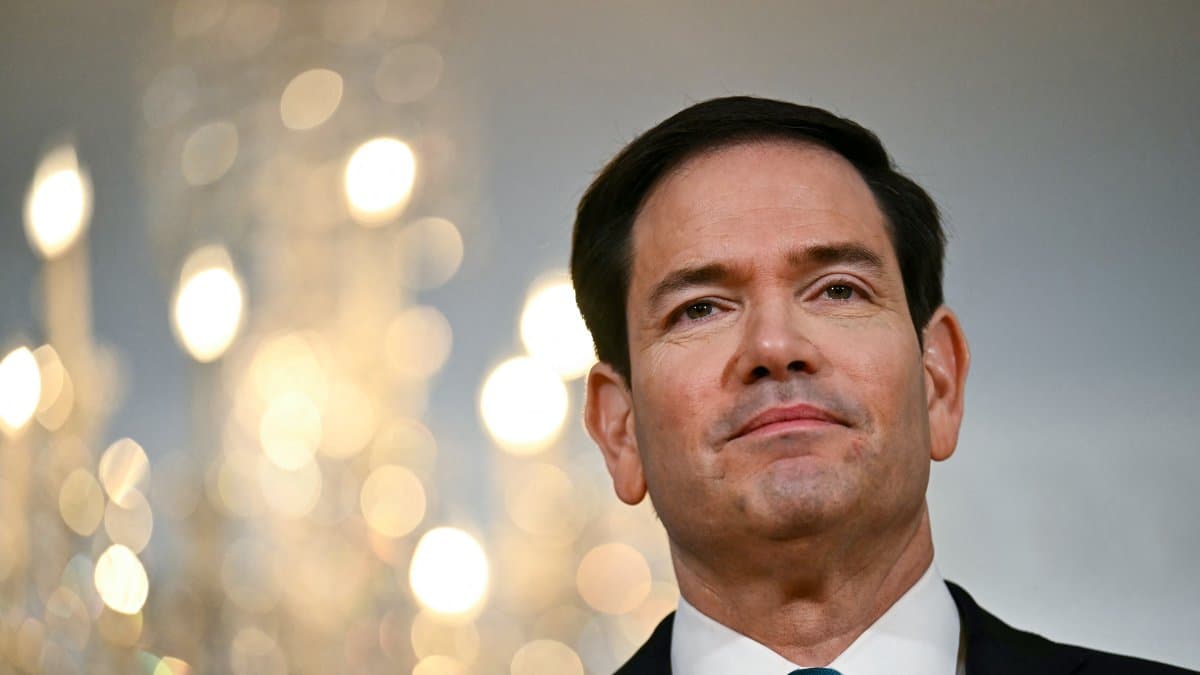
At the same time, Secretary of State Marco Rubio has insisted on labeling the island’s administration as a “failed state” just 90 miles off the coast of Florida, an approach backed by the conservative electoral base.
The siege against Havana is complemented by a severe fuel blockade implemented by Washington through the threat of tariffs on oil-supplying countries, a measure that has plunged the island—whose electrical system is in ruins after decades of communism— into systemic blackouts.
Finally, the regional pressure strategy appears to be coordinated with recent events in Caracas, where a U.S. military operation captured socialist dictator Nicolás Maduro earlier this year to face drug trafficking charges in New York.
In this regard, Hegseth indicated that cooperation with the new Venezuelan authorities will yield immediate results: "There will be big news coming out of Venezuela very soon on that issue, because now we have a partner there willing to work with the U.S.," he said, referring to the fight against drug trafficking.


Politics
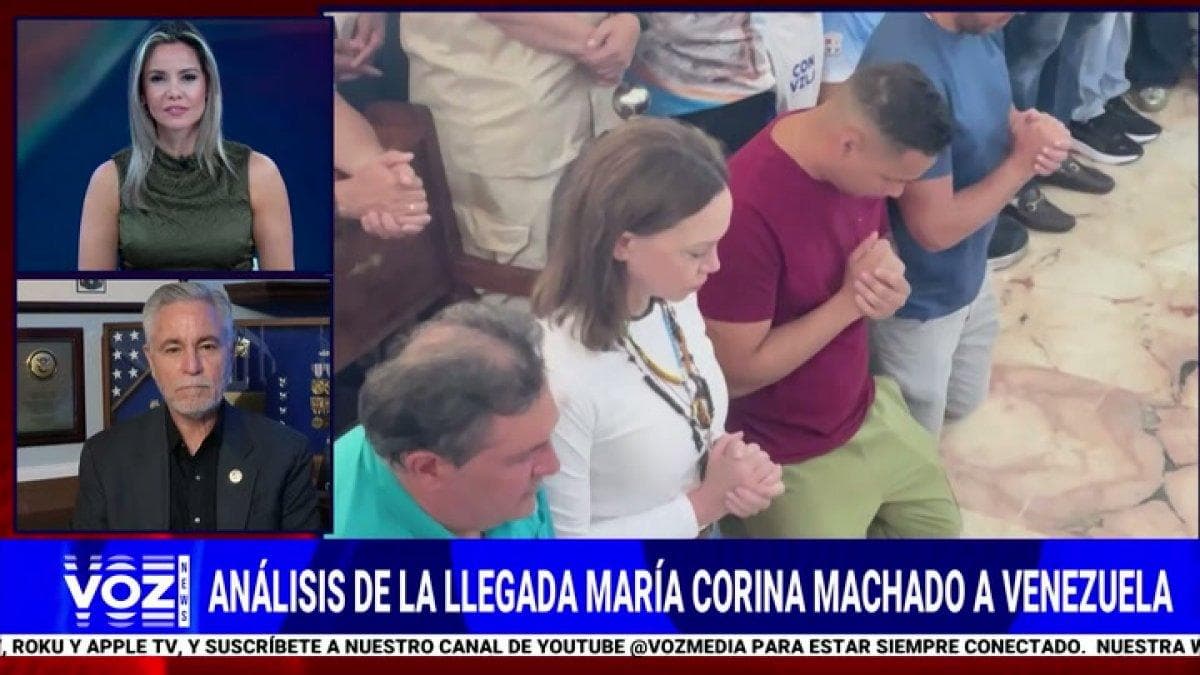
Analyst Leonel León explains in Voz News what Trump and Marco Rubio's plans would be with the Cuban regime.
Luis Francisco Orozco
Politics
Offensive against Castrismo: US sanctions Miguel Díaz-Canel's family and Raúl Castro's son to force democratic reforms
Andrés Ignacio Henríquez
🛠 Do you think there is an error in this article?
Recommendations
LATEST