ANALYSIS
Iran is once again playing a game of misdirection: It announces a halt to attacks to explore diplomacy, but detains six ships in the Strait of Hormuz
Oil prices plummeted following Trump's announcement of a halt to U.S. attacks and the ayatollahs' subsequent message in favor of negotiations.
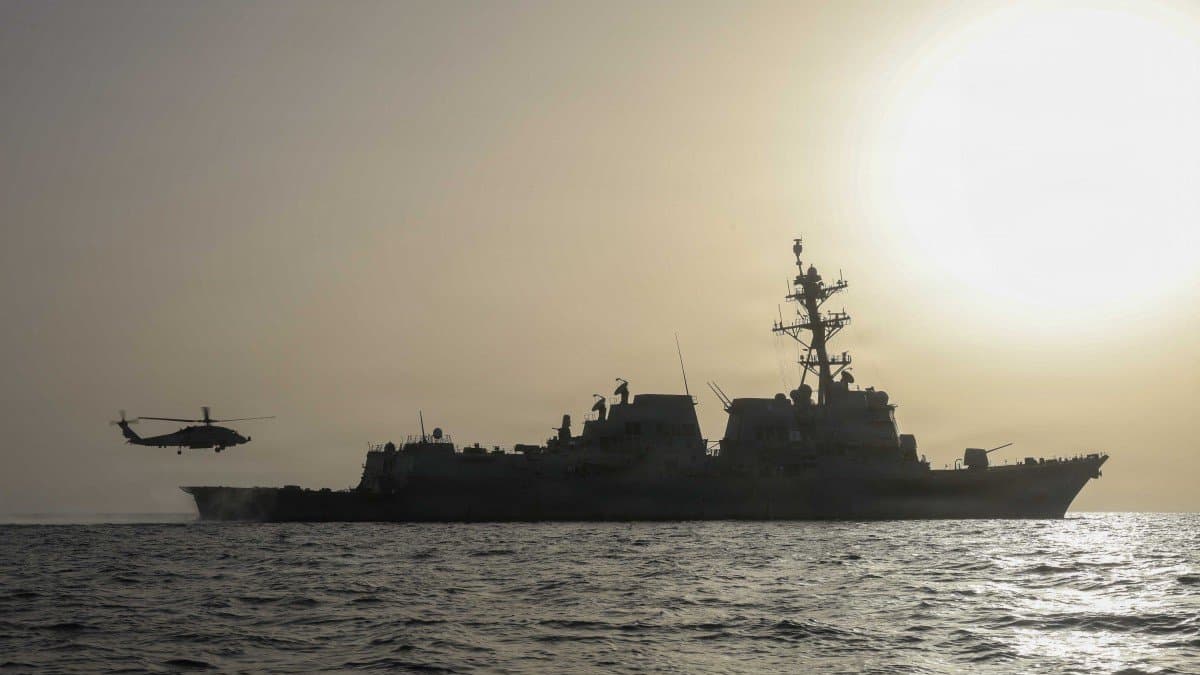

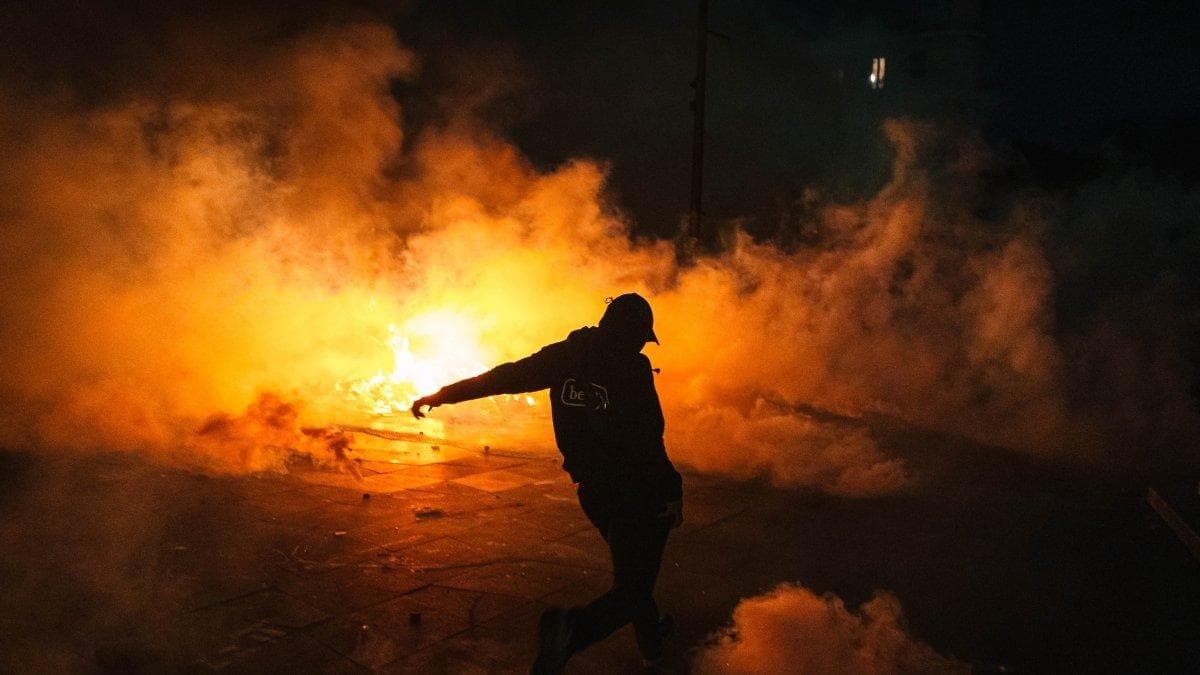
Iran once again tried to have it both ways in its conflict with the U.S. No sooner had it announced that it was halting attacks against U.S. targets in the region and key facilities belonging to its Gulf neighbors than it was reported that the Revolutionary Guards had blocked the passage of six ships attempting to cross the Strait of Hormuz.
"Last night, six ships attempting to pass through a route other than the designated one were stopped by the Revolutionary Guards' navy with warning shots and were forced to turn back," reported a state television journalist from the Gulf.
Earlier on Saturday, the Revolutionary Guards, Iran's ideological military force, announced that they had detained four other ships attempting to cross the southern part of the strategic strait.
"A little leeway"
Iran announced a pause in its retaliatory airstrikes against U.S. allies in the Middle East after a third consecutive night without airstrikes, following a statement by Mike Walz, the U.S. ambassador to the UN, that Trump is "giving the talks some breathing room, giving them a little leeway," though he did not rule out the possibility of the attacks resuming.
"For the past two nights, the Americans have halted their attacks. Since our strategy is essentially based on retaliation, we have also suspended our operations," said Iranian military spokesman Mohamad Akraminia. But if the Americans "insist on continuing the war, particularly through airstrikes," the conflict "will escalate even further," he added.
Oil falls below $90 following the announcements
The barrel of Brent, the global benchmark, opened the European trading session at $90.64, while West Texas Intermediate, the U.S. benchmark, plummeted to $84.13.
This pause in the attacks revived hopes for a resumption of negotiations between Washington and Tehran, which had been cut short by the fighting in the Strait of Hormuz as a result of Iran's repeated violations of the agreement.
Following the signing of a memorandum of understanding in June that provided for a 60-day round of peace negotiations, Iran once again closed the strait as hostilities resumed.
Controversy over U.S. missile stockpile
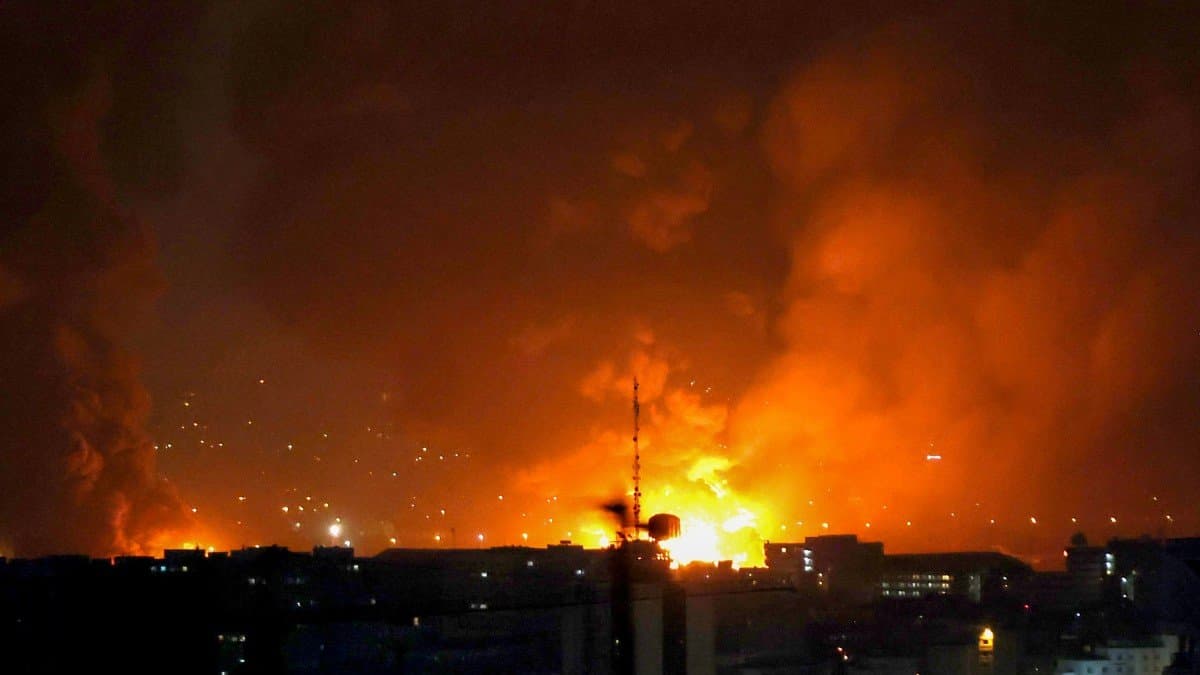
After nearly five months of war, U.S. operations against Iran are "on hold," CNN reported, citing a Pentagon source.
Plans to escalate the campaign were put on hold, in part due to dwindling ammunition supplies, The New York Times reported, citing two people familiar with the matter. Trump also faces the risk of a widening war in the Middle East, a rift with allies in the Gulf, and a greater impact on the global economy, according to the newspaper.
Politics
Trump postpones major offensive against Iran: White House cites diplomacy, but reports point to interceptor shortage
Emmanuel Alejandro Rondón
When asked about a current shortage amid the war with Iran, Waltz repeatedly denied it. Similarly, Trump insisted that "we have far more ammunition than anyone else in the world, and far more than we need," in an interview with the Wall Street Journal.
Netanyahu to urge Trump to maintain a hard line against Iran at the White House
Speaking to Fox News, the Israeli prime minister said he fully supports Trump's efforts to halt Iran's nuclear program: "If he can do it without returning to an intense military conflict, that's fine. Why not? But one way or another, they have to put an end to their nuclear program, and with or without a deal, that has to end."
🛠 Do you think there is an error in this article?
Recommendations




LATEST