Exclusive details | Venezuela's regime deploys the military to wrest Bolívar's gold mines from criminal organizations and open them to foreign investment
VOZ confirmed explosions and clashes between the military and irregular groups in a gold mining area with long-standing concessions and prospecting and soil studies that have verified large gold reserves. On Monday, U.S. investors conducted technical visits in the town of El Callao.
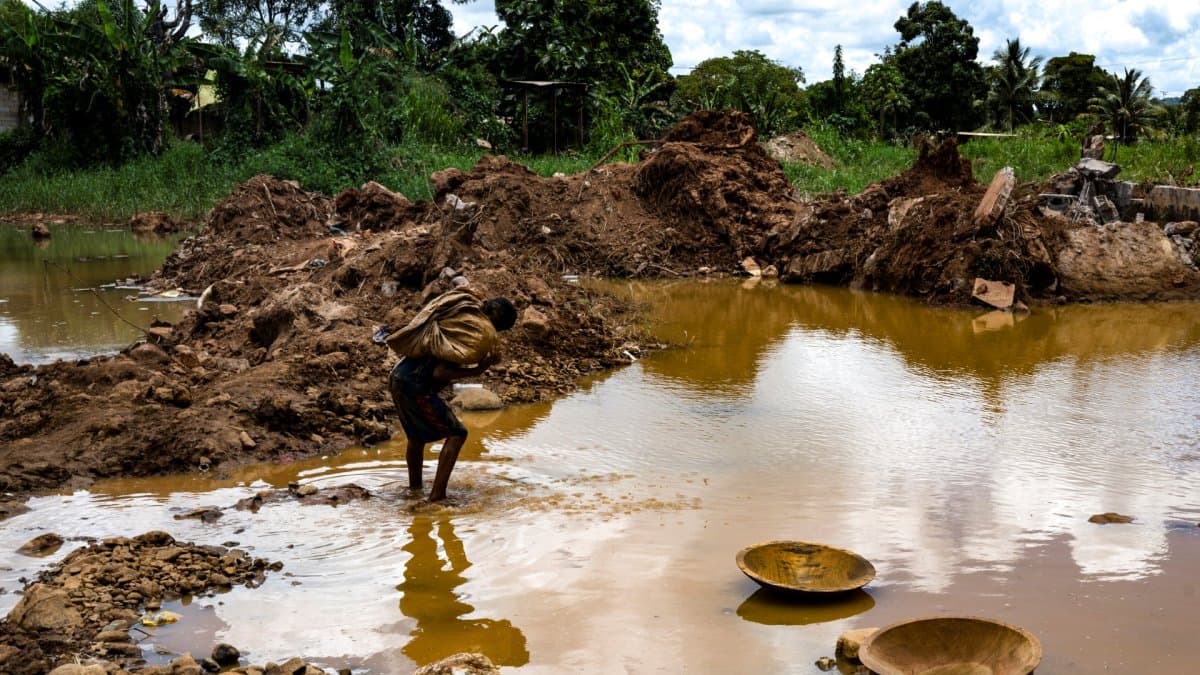

The interim regime of Venezuela, led by Delcy Rodríguez, deployed troops in the southern Bolívar state to try to wrest control of the gold mines, which have been controlled by mafias and criminal syndicates for years, from them, in an offensive aimed at clearing the way for foreign investment following a day of technical inspections on Monday in the mining town of El Callao. The operation, focused on Tuesday, took place in the well-known Las Claritas area in the municipality of Sifontes, one of the country’s main gold mining centers, more than 125 miles from the border with Brazil.
According to Bloomberg, which cited former regional deputy and opposition politician Américo De Grazia, the Bolivarian National Armed Forces (FANB) bombed and opened fire on illegal gold mines controlled by criminal gangs in the Las Claritas area, forcing numerous local miners to flee. VOZ, citing local sources who requested anonymity, confirmed De Grazia's allegations and reported that the operation aims to clear areas that have been illegally mined for years. The International Crisis Group said it had received "numerous reports" of military activity, and researcher Bram Ebus noted that security forces restricted access to Las Claritas while aircraft flew over areas near the mining sites. Several home videos circulated on social media, providing direct evidence of the matter.
The Venezuelan military offensive is directly aimed at addressing a contradiction that VOZ had already documented in a previous report: while the Rodríguez regime negotiates in the capital Caracas to open the gold and precious metals sector to U.S. firms —under the protection of a mining law passed in April and U.S. Treasury licenses that lifted sanctions on Venezuelan gold—, the territory where that mineral is extracted remains de facto governed by criminal structures, with the historical complicity of the armed forces and the regime. Kilometer 88 and Las Claritas make up the Bolívar mining hub which, according to the mapping by journalist Fritz Sánchez, who spoke with VOZ for this report, is controlled by the so-called Juancho Syndicate, in a region where the infamous Tren de Aragua (a terrorist organization according to U.S. authorities) and Tren de Guayana (a Venezuelan criminal gang).
World
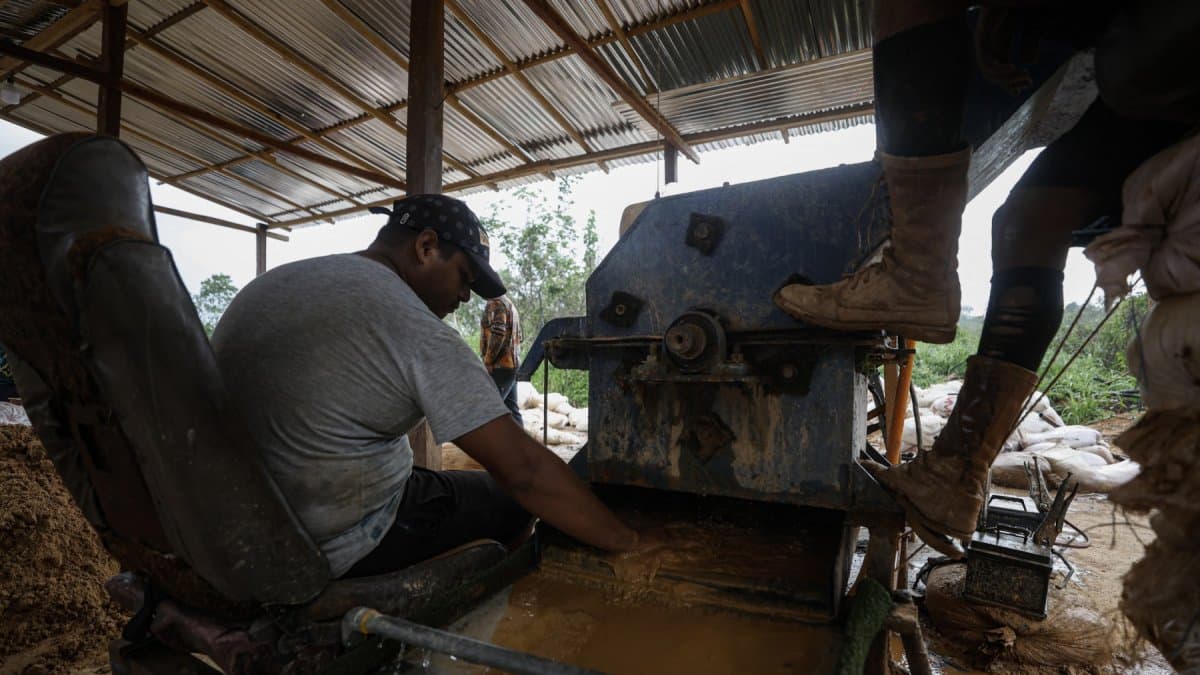
South of the Orinoco, criminal gangs still control the gold the Rodríguez regime is selling to US companies
Emmanuel Alejandro Rondón
In the midst of the operation, in a violent and hard-to-reach area, many contradictory accounts and misinformation proliferated. The monitoring organization SOS Orinoco, whose information matches what VOZ reported at the start of the operation, confirmed heavy clashes at Kilometer 88 to dislodge the armed groups controlling the strategic Las Brisas-Las Cristinas complex, as well as inspections of processing plants in El Callao and movements by the prison structures that dominate the El Dorado area. The same organization, however, denied three versions that circulated widely on social media on Monday and Tuesday. It was a massive operation extending throughout the entire Sifontes municipality, where there were large ground contingents —the actions at Kilometer 88 were primarily linked to air support and helicopters—and, in particular, the alleged presence of U.S. troops in Bolívar, a rumor that gained traction on Monday but was widely denied by sources on the ground.
Sources at El Callao consulted by VOZ agreed with that version. Speaking on condition of anonymity, they asserted that there are no U.S. military contingents guarding mining facilities and that a viral photograph showing U.S. military vehicles at the Chocó Plant was a fake created using artificial intelligence. What did happen, according to those sources, were technical visits and inspections by delegations of U.S. investors, accompanied by Venezuelan military personnel. Rumors are also circulating in mining circles about a possible U.S. security presence at those facilities to ensure investor safety. The following day, operations began in mining areas with long-standing concessions and proven reserves.
Meanwhile, the human toll of the operation is, for now, impossible to verify. Sánchez reported that word on the street is that the injuries and deaths attributed to the FANB’s intervention are linked to actions at the Brisas del Kuyuni concession in Las Claritas, though he cautioned that these are unconfirmed accounts. VOZ was also unable to independently verify whether there were any casualties. The mining areas of Bolívar State are practically inaccessible, and the little that is known comes from locals and workers who risk their safety by speaking out. In the Orinoco Mining Arc—spanning Bolívar and Amazonas states and a portion of Delta Amacuro—drug traffickers, guerrillas, and common criminals coexist with civilian and indigenous miners living in conditions of neo-slavery, so any military intervention also threatens this vulnerable population.
Experts agree that the fundamental question is whether the deployment represents a genuine attempt to decisively dismantle the criminal structures that rule the Orinoco Mining Arc or merely a realignment of power that clears out areas with mining concessions while the gangs retreat to other enclaves. The absence of official statements—neither the regime nor the FANB has detailed the scope or objectives of the operation—maintains the information vacuum surrounding the operation. Meanwhile, local organizations are demanding transparency and warning about the impact of the clashes on communities and Indigenous peoples in Bolívar state.
🛠 Do you think there is an error in this article?
Recommendations






LATEST