The Plot to Save Maduro: Inside the Oilmen, Lobbyists, Influencers, and even Trump Officials Who Worked to Undermine Rubio
Businessman Harry Sargeant, former Congressman Aaron Schock and a group of bondholders financed an operation in 2025 to marginalize Marco Rubio and normalize relations with the Maduro regime.
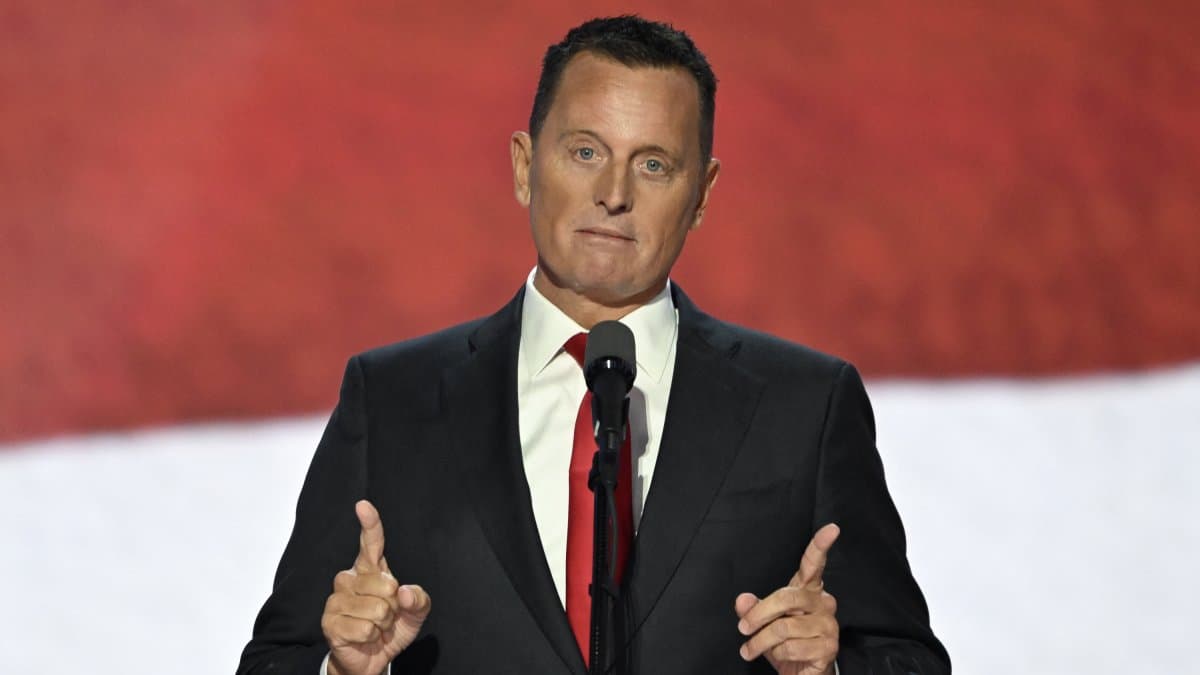

When President Donald Trump named Marco Rubio as secretary of state and Mauricio Claver-Carone as special envoy for Latin America, an asphalt tycoon who plays golf with the president understood he had a serious problem. Harry Sargeant III, a Trump donor, had been doing business in Venezuela for decades and feared that the return of maximum pressure against former dictator Nicolás Maduro would cost him one of his most profitable assets. The solution devised by his entourage had its own name within the federal government: special envoy Richard Grenell, a man close to the president.
According to a POLITICO investigation based on hundreds of private messages, five months of bank transactions, personal calendars and interviews with participants, Sargeant led an effort during 2025 to impose Grenell over Rubio at the State Department, curb sanctions policy against Caracas and push the Trump administration to normalize relations with the Chavista regime. The plan brought together a disgraced former congressman, a group of bondholders, a Paris-based lobbying firm and influencersfrom the MAGA orbit, including Laura Loomer.
The key piece of the puzzle, however, was Grenell. Former ambassador and former acting director of national intelligence, pragmatic, skeptical of interventionism and openly critical of the hawks, he had been left out of the position he aspired to - the Secretary of State—when Trump opted, after weeks of meditation, for Rubio. As a consolation prize, the president named Grenell special envoy for "special missions" and mentioned Venezuela among the countries in his portfolio, without specifically delimiting where his role ended and that of the State Department began.

This decision by Trump guaranteed a clash with Rubio's team, which saw in Grenell someone eager to undermine the former Republican senator and eventually succeed him. Sargeant and his allies saw it clearly: that Rubio's internal rival had to be his Trojan horse. To articulate the strategy Sergeant and his allies hired former Illinois Republican congressman Aaron Schock, who had resigned his seat in 2015 amid allegations of misuse of public funds and who had reached out to Grenell in California gay Republican circles. Sargeant's attorney, Christopher Kise, acknowledged that his client hired Schock for a one-time payment of $100,000 for "strategic consulting" but denied that it was lobbying. Schock, according to one of his aides, said his main mission was to help Grenell overshadow Rubio.
The first blow from the alleged lobbyists came early. In late January 2025, Grenell traveled to Caracas and secured the release of six Americans detained by the regime in an operation that coincided with Rubio's first trip to Latin America and detracted from his prominence. POLITICO documents that Schock and Sargeant traveled to Venezuela at about the same time and met with then-Chavista Vice President Delcy Rodriguez to discuss a proposal: that Caracas would release prisoners in exchange for the United States fully restoring Chevron's license and Venezuela accepting twice-weekly deportation flights, an issue important to Trump and part of his Cabinet, including National Security Adviser Stephen Miller. Sargeant reportedly used his contacts to arrange the meeting between Grenell and Maduro in which the deal was sealed, according to reports by Reuters and The Wall Street Journal that Kise denies. The day after Grenell's return with those released, the Trump administration renewed Chevron's license, and Trump publicly congratulated the envoy. Critics pointed out that the renewal had functioned as a sort of backdoor ransom, but Grenell denied that a prisoner swap or payment had been involved.
Despite the coup, the triumph was sterile, as a group of Cuban-American congressmen from Florida -the "three amigos," close to Rubio—successfully lobbied for the Trump Administration to cancel the oil licenses in exchange for their support of a key legislative package for Trump. Rubio gradually established himself as one of the most influential figures in the cabinet, later added the interim position of national security adviser and gained direct control over Venezuela policy. Grenell, on the other hand, was relegated to lesser positions or jobs: the coordination after the Los Angeles fires and, later, the interim direction of the Kennedy Center, which he tried to rename, without complete success, as the Trump-Kennedy Center while dealing with renovations and with musicians who refused to perform there. Sargeant lost its license to operate in Venezuela in March 2025.
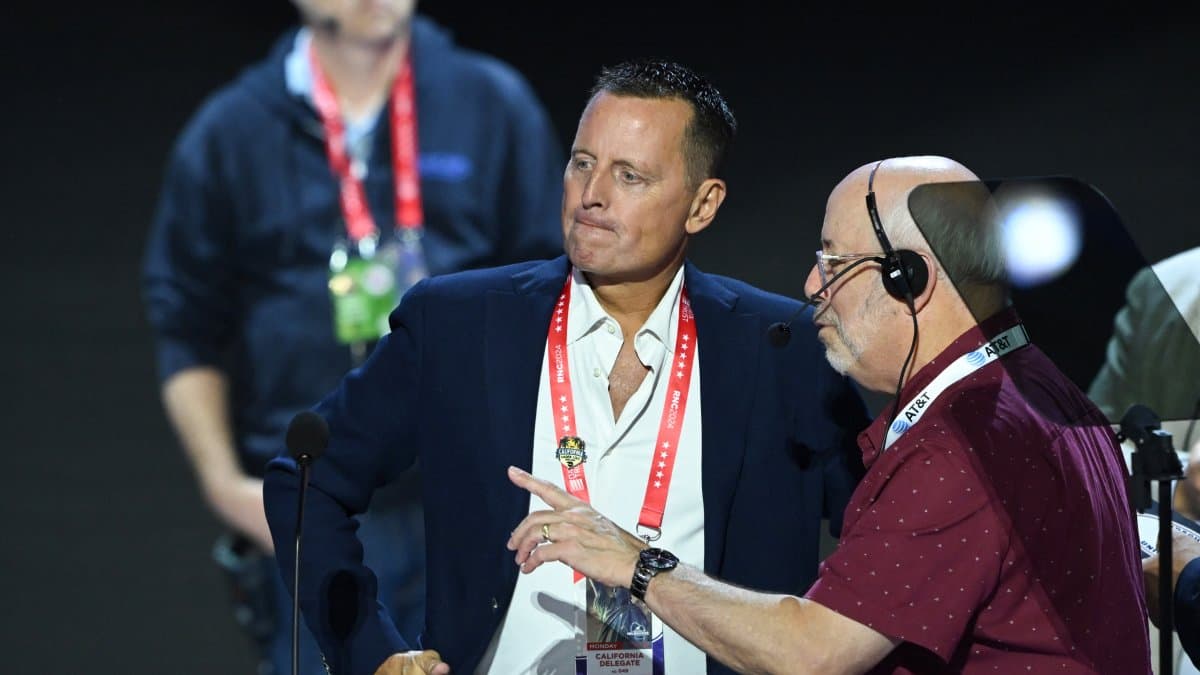
That's when the operation changed scale in an attempt to reorder the White House's pecking order. An ally, Sergeant Hans Humes, a principal at Greylock Capital Management and head of Venezuela's "bondholders committee"—financiers with Venezuelan debt opposed to sanctions—warned Schock that Grenell had lost traction. Humes and Schock joined forces against Claver-Carone, whom they pointed to as the driving force behind the pressure. They added former Biden official Juan Gonzalez, architect of the questioned Barbados Agreement, as a paid consultant for "geopolitical analysis," according to Gonzalez himself, who denied lobbying. Schock and his consultant, Benjamin Papermaster, also toured Houston to court the oil majors. Shell declined; Chevron, on the other hand, was receptive and, according to messages quoted by POLITICO, promised to contribute $100,000. The company declined to answer specific questions, reiterated that it operates in compliance with the law and assured no one from Chevron participated in the leaked chats. Other funds came from European bondholders and a subsidiary of Curacao's state oil company, some of it channeled through shell companies.
With a May 27 deadline—when Chevron and Sargeant's licenses were set to expire—the group accelerated its efforts. Sargeant wrote a letter to Rubio and Treasury Secretary Scott Bessent, asking them to desist from the pressure and warning that Venezuelan crude would end up in Chinese hands. In parallel, Schock hired the Parisian lobbying firm Forward Global, which billed $422,500 for the first stage of a communications campaign. The firm recruited conservative influencers—among them Ryan Fournier and Juanita Broaddrick—to publish coordinated messages in favor of U.S. investment in Venezuela and drafted op-eds that Trump-friendly figures signed in media outlets such as the Fox News site. One of the texts, published under the byline of former national security adviser Robert O'Brien, was based on a Forward Global draft edited by Gonzalez, according to documents reviewed by POLITICO. Despite the great coordination and mobilization of wills, not everyone agreed: anchor Rachel Campos-Duffy resisted because she supported a democratic transition, and the group gave up after seeing her interview opposition leader María Corina Machado.
All that machinery existed to prop up Grenell, who was aware of the endorsement, according to messages from at least two participants in the operation revealed by POLITICO. The envoy circulated during the spring in conservative media and venues advocating that the administration wasn't really applying maximum pressure, and influencers hired amplified that idea, at times criticizing members such as Rubio and Claver-Carone. When a rumor surfaced that Trump might send him as ambassador to the UN, the group was alarmed that it would lose its key ally—" If Ric goes to the UN, he goes from Venezuela," Humes wrote, but Grenell quickly debunked that version on his 'X' account, usually used to deny reports. However, at least for now, Grenell declined to comment on the POLITICO report, and the Administration denied that tensions existed between him and Rubio.
One of the most sensitive chapters involves Laura Loomer. When a Cuban-American hard-liner, Victor Cervino, was removed from a National Security Council post before taking it, the campaign assumed Loomer had been behind it and saw an opportunity to use it against Claver-Carone. A message from Papermaster to a Sergeant lawyer alluded to a payment to "a Twitter girl," in what POLITICO describes as an almost certain reference to Loomer, and the lawyer confirmed days later that the payment had been made. Loomer denied in an interview having been paid or being part of the transaction, and Kise asserted that Sargeant had never paid him anything. From May onwards, Loomer published recurrent and unprecedented publications about Venezuela. In his various publications, he promoted Grenell and pointed to Claver-Carone as an official driven by personal emotions who was sabotaging the envoy. Loomer's publications were also filled with critics accusing her of lobbying on behalf of the Maduro regime.
World
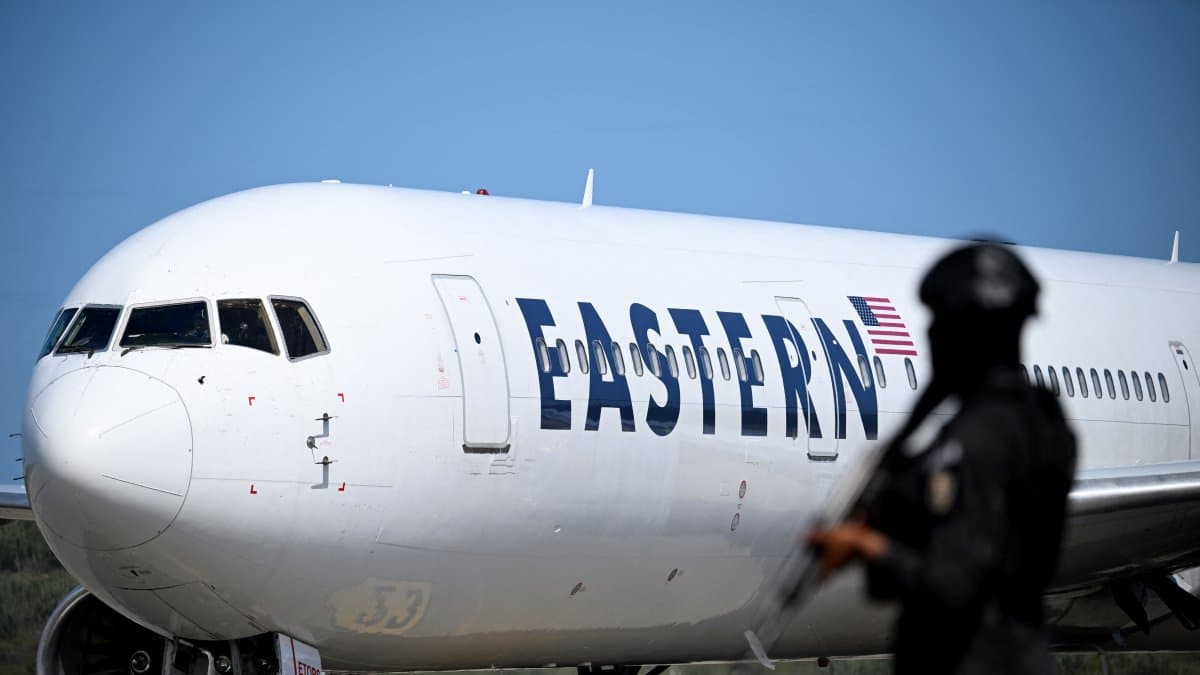
The Venezuelan regime cedes control of its revenues and orders airlines to transfer fuel payments to the US Treasury
Andrés Ignacio Henríquez
But Loomer's efforts also fell short. The group misread Trump's intentions in his second term and notoriously underestimated Rubio, who got the refocus just right to convince skeptics to go against Maduro and his regime: betting on a fight against organized crime and the Aragua Train. Chevron's license expired on May 27, and with it, that of Sergeant. Forward Global closed its participation. Rubio's position was joined by Deputy Chief of Staff Stephen Miller, and the Administration reframed the Venezuelan problem in terms of drug trafficking before launching attacks against 'narco-terrorist' vessels in the Caribbean. Grenell tried to stay in the game—he arranged meetings with Schock and a Sargent lawyer in mid-year and, in September, said in an interview that he was still talking to Maduro's team at Trump's instruction—but he no longer influenced decisions. In September, Maduro offered the White House to resume the dialogue through him, but the offer did not prosper. On January 3, 2026, after vain efforts to undermine Rubio and Trump's own decisions, U.S. special forces captured Maduro and his wife, Cilia Flores, and transferred them to a prison in New York to face drug trafficking charges. Delcy Rodríguez was left as interim ruler, under Washington's tutelage.
The entrapment left a trail that authorities began to follow. A Justice Department official told POLITICO that the FBI is investigating Sergeant's efforts and that within the administration, there is an interest in accountability. Kise, however, denied that there is such an investigation and maintained that his client always acted legally and transparently. Sargeant, according to his lawyer, has yet to regain the license he worked so hard for. Papermaster, who quit working for Schock in the fall of 2025, claiming he was never paid in full, ended up disenchanted with the project he helped put together. "Looking back, the narrative I was fed was misleading, and I’m disappointed in the fact that I didn’t catch it earlier," he said. "The narrative I was fed was that this was an America First thing and for the people of Venezuela. In reality, this was not America First. This was for lining the pockets of Aaron Schock and Harry Sargeant."
🛠 Do you think there is an error in this article?
Recommendations
LATEST