Castro regime marks Moncada Barracks Assault: Raúl Castro absent for the first time in decades
After 73 years of ruling with an iron fist and amid suffocating geopolitical pressure from the White House, this may be the Castro regime's final commemoration of the Assault on the Moncada Barracks. A lackluster celebration, with little to celebrate, without Fidel and, surprisingly, without Raúl.

73 years ago, a group of guerrillas led by the late dictator Fidel Castro began their famous Cuban Revolution with the Assault on the Moncada Barracks in Santiago de Cuba. Despite the resounding failure of that poorly coordinated and disorganized operation—the assault resulted in 60 casualties and the capture of Fidel and his brother Raúl Castro, the insurgent July 26 Movement emerged from it, which is why historians mark the attack as the milestone that launched a movement which, six years later, succeeded in overthrowing the dictator Fulgencio Batista to establish its own tyrannical, communist regime, which has now been in power for 67 years.
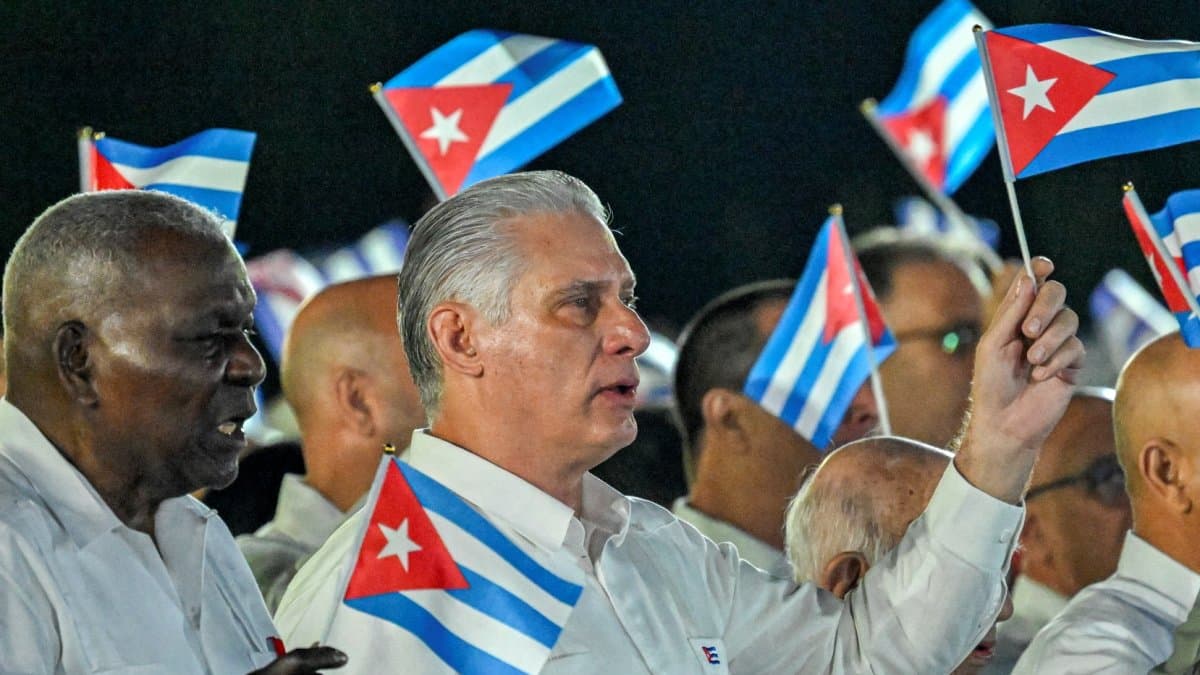
Today, that Cuban regime—which has long since been without Fidel Castro and is now led by Miguel Díaz-Canel at the helm- commemorated the assault under an almost unprecedented circumstance: the absence of Raúl Castro, the regime's most prominent living figure. It was the dictator Díaz-Canel who presided over the ceremony in Pinar del Río and read a congratulatory message from Raúl, without offering any explanation for why he did not appear.
During his speech, Díaz-Canel accused the U.S. of committing "political genocide against Cuba" and demanded an end to the embargo. "By accusing Cuba, they are not only looking for a scapegoat, an external agent; they are looking for someone to blame for the protests by the sectors hardest hit by an economy that makes the rich richer and the poor poorer," the dictator said. "Let Cuba live in peace, and let the noblest among the American people—who have historically fought for the human rights of other peoples, without expecting recognition and often facing persecution, imprisonment, and risks to their lives—live in peace as well."
Castro's most recent public appearances date back to June, at a ceremony marking the creation of the Ministry of the Interior, and to May 1, for Labor Day. Although he no longer holds any formal positions, he maintains a strong symbolic presence within the regime and has been identified as one of the negotiators in contacts with Washington following the imposition of the U.S. energy embargo.
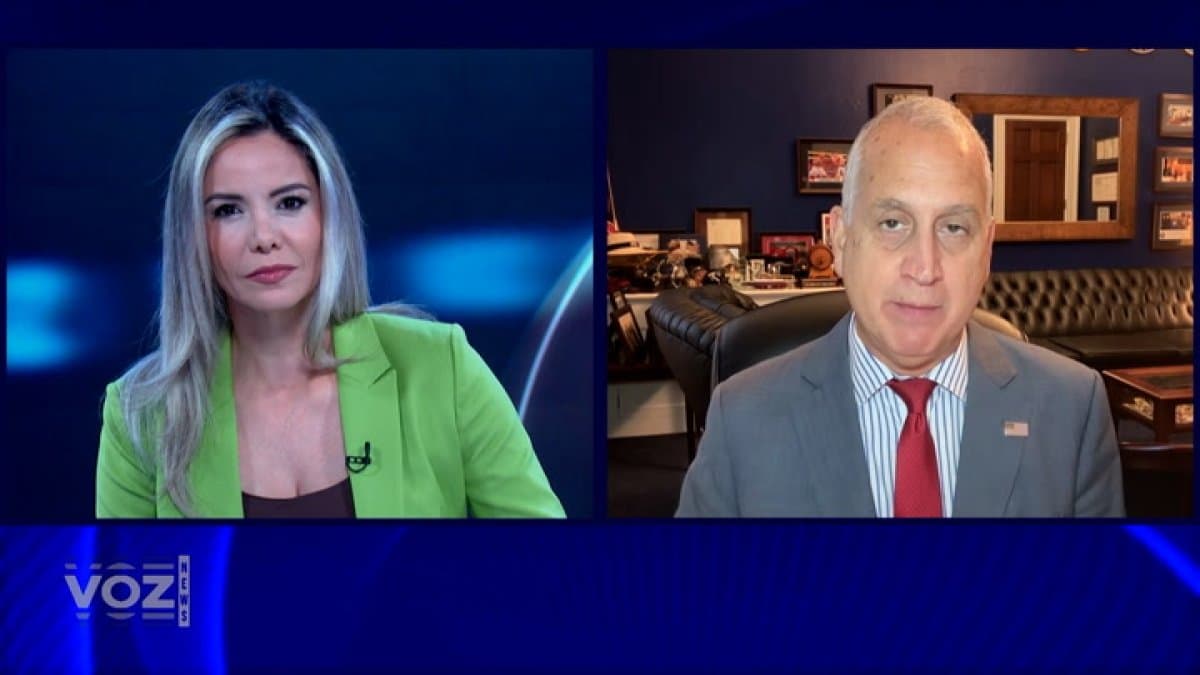
Indeed, Raúl Castro's absence sends a powerful and unequivocal message, in a context of extreme fragility for the Castro regime, which has been facing severe diplomatic and economic pressure from the U.S. for months, with the secretary of state, the Cuban-American Marco Rubio, promising that the White House is working to exert greater influence over Cuba's economic management, to the point of seeing the country liberated after decades of communism and dictatorship. "We want a free and prosperous Cuba," Rubio, a staunch critic of the Castro regime since his early days in politics, told the press a few days ago.
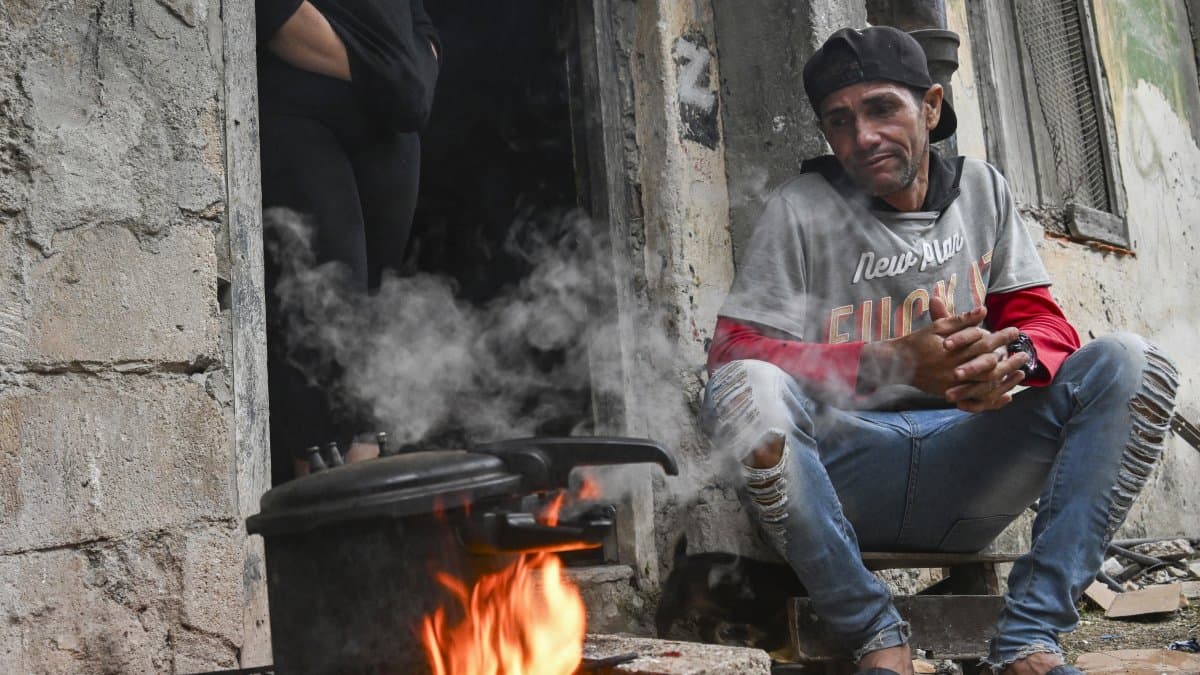
Since January 3, following the capture of former Venezuelan dictator Nicolás Maduro in Caracas by U.S. special forces, the Castro regime was left without its main ally and, consequently, one of its major sources of income. Everything has become an uphill battle for the Castro regime ever since. The energy crisis on the island is more severe than ever; the healthcare system remains in shambles; food shortages continue unabated; and social unrest is becoming increasingly palpable. For this reason, many analysts believe that, after 73 years of iron-fisted rule, this may be the last commemoration of the Moncada Barracks Raid. A lackluster celebration, with little to celebrate, without Fidel and, surprisingly, without Raúl.
🛠 Do you think there is an error in this article?
Recommendations
LATEST