From rescue to reconstruction: The US ends its military mission in Venezuela
U.S. Southern Command confirmed the withdrawal of the last troops deployed following the twin earthquakes on June 24. Washington assures that aid will continue through the State Department and humanitarian organizations during the reconstruction phase.
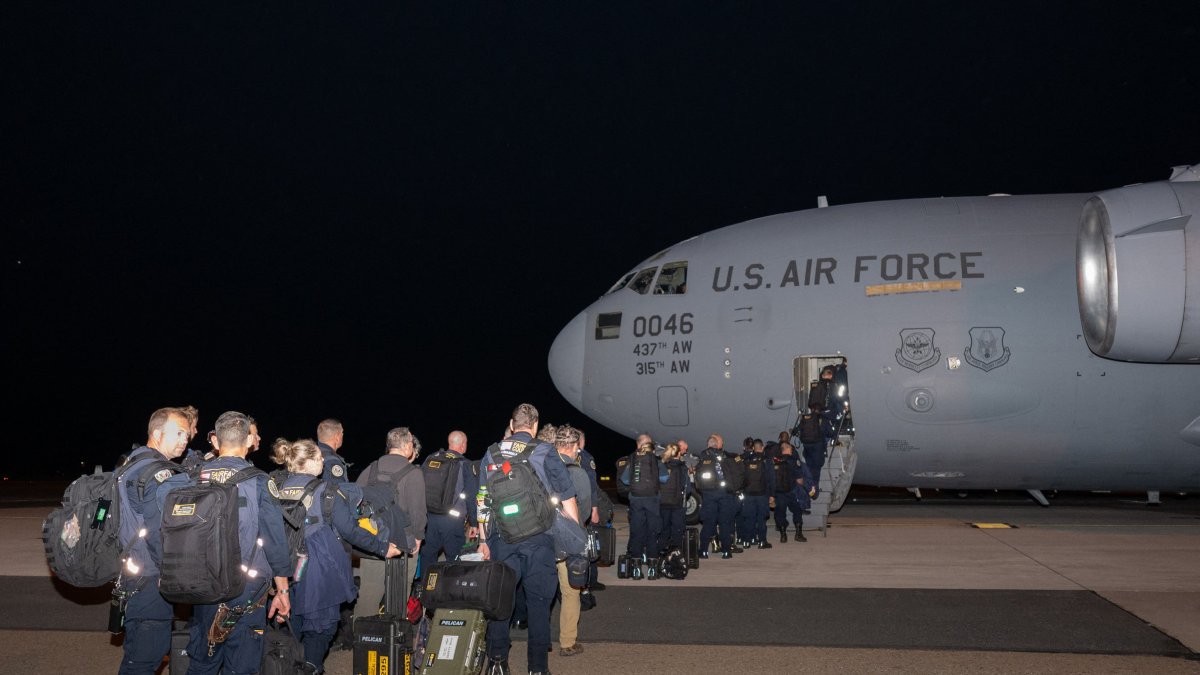
A team of U.S. military personnel leaves Venezuela

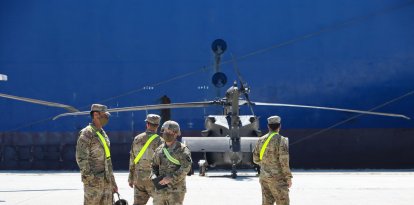
The United States concluded its military assistance mission in Venezuela this weekend, one month after the devastating double earthquake that struck the north-central part of the country on June 24. U.S. Southern Command (SOUTHCOM) confirmed the withdrawal of the last troops deployed on the ground and announced that the next phase of support will be led by the State Department alongside organizations specializing in humanitarian aid.
The announcement was made by the commander of U.S. Southern Command, Gen. Francis L. Donovan, in a post on the social media platform X.
">"Today, the last members of the SOUTHCOM team departed Venezuela, marking the conclusion of Department of Defense support to on-the-ground earthquake relief efforts. While our military presence ends, the American people continue to stand with Venezuela. Our State Department… pic.twitter.com/yi4eBSswrs
— U.S. Southern Command (@Southcom) July 26, 2026
"The last members of the Southern Command team have left Venezuela, marking the end of the Department of Defense's support for earthquake relief efforts on the ground," wrote the military commander.
Donovan added that the withdrawal of troops does not mean the end of the U.S. commitment to the country.
"Although our military presence is ending, the American people continue to stand with Venezuela," stated the commander, who explained that assistance will continue through the State Department and organizations with expertise in disaster reconstruction and recovery.
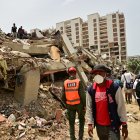
An emergency deployment following the double earthquake
The U.S. military mission began immediately after the two earthquakes, with magnitudes of 7.2 and 7.5, which struck less than a minute apart on June 24 and caused one of the greatest natural disasters in recent history in Venezuela.
At the request of the Venezuelan government and under the coordination of the State Department, the Pentagon mobilized military capabilities to support search and rescue operations, the transport of humanitarian aid and the establishment of a logistics network designed to expedite the delivery of supplies to the devastated areas.
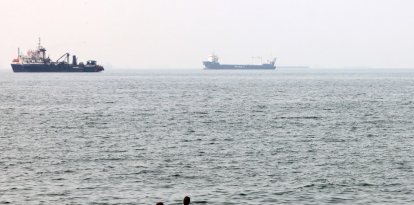
During the first weeks of the operation, C-17 Globemaster III and C-130 Hercules aircraft, U.S. Navy ships and specialized teams in airport management, logistics, communications and urban rescue arrived in the country. The amphibious ship USS San Antonio took on a central role as an aid distribution hub in the port of La Guaira.
As Donovan himself had previously reported, the mission mobilized nearly 2,000 personnel, in addition to rescue specialists, engineers, medical personnel and support teams for the distribution of food, drinking water and emergency supplies.
Aid will continue during the reconstruction phase
General Donovan explained that the recovery effort will now be in the hands of the State Department, which will work alongside international humanitarian organizations to support the reconstruction of critical infrastructure and address the needs of affected communities.
According to official U.S. figures, the State Department has committed $310 million to fund the emergency response, recovery efforts and long-term reconstruction projects.
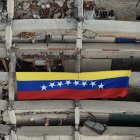
A country still trying to recover
The withdrawal of U.S. troops comes at a time when Venezuela continues to face the consequences of the disaster.
Official figures now put the death toll at more than 5,500, while thousands of families remain displaced following the collapse of buildings and homes in several cities across the country.
One month after the earthquake, search and recovery efforts continue in some areas, especially in the state of La Guaira, one of the areas hardest hit by the disaster.
LATEST