Trump expresses frustration with Iran amid tensions after cease-fire
US diplomacy remains active as tensions persist in the Strait of Hormuz and in the broader regional arena.
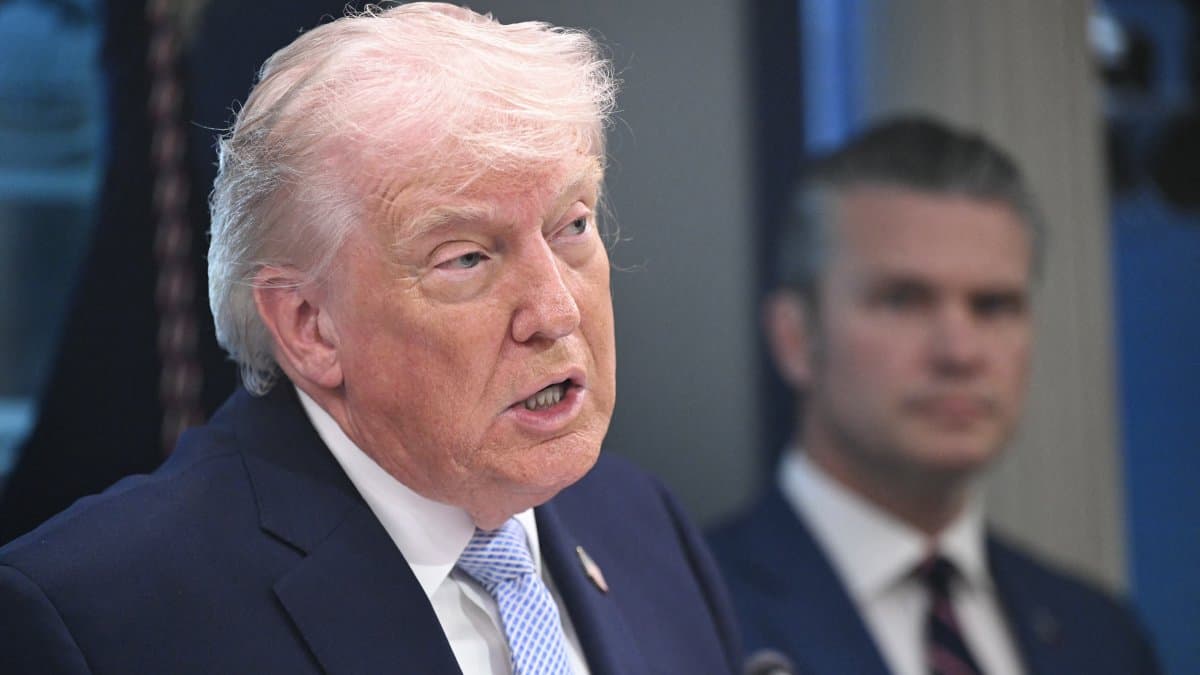

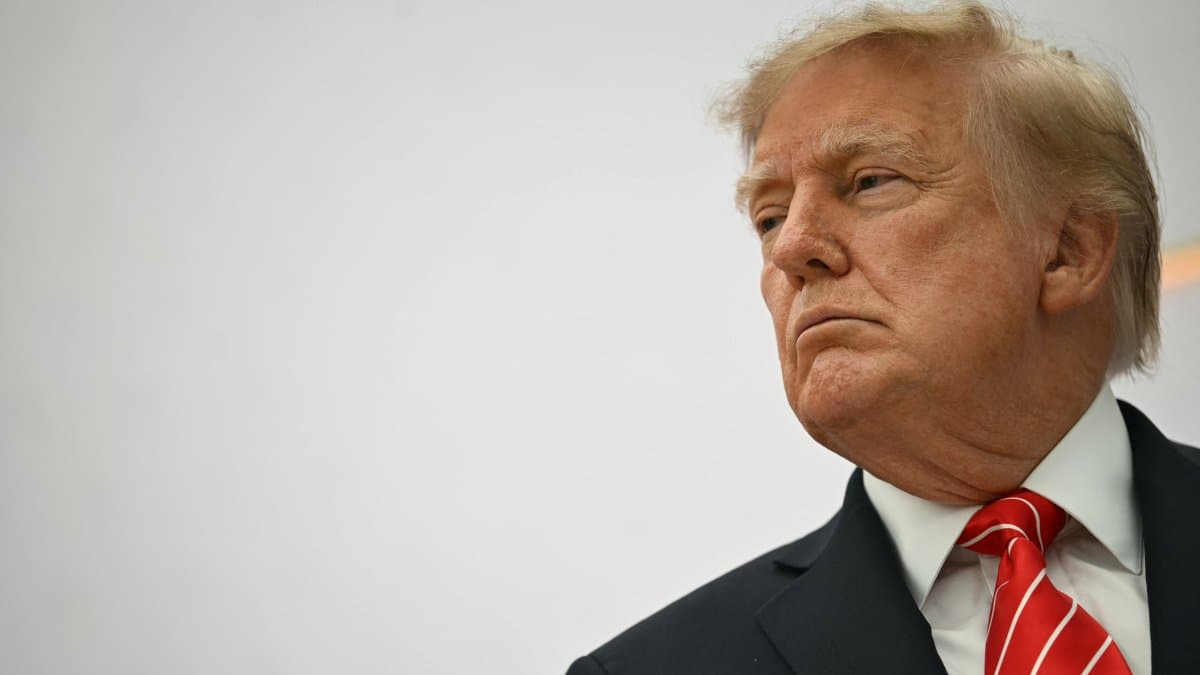
President Donald Trump has not stopped speaking out on the conflict with Iran, defending the truce agreed to Tuesday and raising the tone against possible breaches of the agreement, especially around the Strait of Hormuz and oil trade.
His messages on Truth Social, between Wednesday, April 8 and Thursday, April 9, suggest a strategy that combines diplomatic optimism with direct pressure, in the midst of the most serious episode of tensions in recent times between the two countries.
The cease-fire between Washington and Tehran is holding, but with signs of fragility. In statements to NBC News, Trump affirmed that he is "very optimistic" about a lasting agreementand maintained that Iran "is agreeing to everything it has to agree to," though he warned that failure of the negotiations would have severe consequences.
U.S. diplomacy remains active, with a negotiating delegation headed by Vice President JD Vance, as tensions persist in the Strait of Hormuz and in the broader regional arena.
"Victory" and warnings on Hormuz.
In his postings on Thursday, April 9, Trump responded to criticisms of the conflict narrative and defended his stance as an already defined outcome:
"Actually, it's a victory, and there's nothing premature about it! Thanks to me, Iran will NEVER HAVE A NUCLEAR WEAPON," he wrote.
In the same message, he insisted that global oil flow will begin to normalize, even without Iranian cooperation, and attacked the Wall Street Journal, which he accused of "criticizing without acknowledging mistakes."
Trump also focused his attention on the Strait of Hormuz, following reports of possible charges on ships transiting the area. In a brief message he warned, "They better hope they don't!"
In another release he accused Iran of violating the spirit of the agreement by allowing interference in oil transit and reiterated that such behavior is not compatible with the agreed terms.
Economic pressure and military posture
A day earlier, on Wednesday, April 8, Trump had rolled out a more extensive package of messages focusing on economic deterrence and strategic control. In one of them, he announced tough trade measures against third countries that collaborate militarily with Tehran:
"A country that supplies military weapons to Iran will be immediately levied a 50 percent tariff on any and all goods sold to the United States of America," he assured.
In another release, the president emphasized the permanence of the U.S. military presence in the region until full compliance with the agreement, warning that any non-compliance would open the door to further escalation.
He also reiterated that there will be no advance toward Iranian nuclear capabilities and that the Strait of Hormuz must remain open and secure.
In parallel, President Trump assured that the U.S. is working with Iran on removing remnants of nuclear material following recent attacks and that several conditions of the deal would have already been reached, including discussions on sanctions and tariffs.
For now, the White House has not announced changes in the strategy toward Iran, while diplomatic talks and monitoring on compliance with the ceasefire continue.
The president's public statements keep the spotlight on the development of the agreement and the evolution of major sticking points, especially on energy and regional security.
World
Netanyahu orders direct negotiations with Lebanon to establish 'peaceful relations'
Carlos Dominguez
Politics
House Democrats fail in their attempt to limit Trump's war powers regarding the Iranian regime
Carlos Dominguez
🛠 Do you think there is an error in this article?
Recommendations




LATEST