






The political cost of appointing Pulte: Democrats block the FISA bill and Republicans call for cuts to the ODNI
The ODNI was created in the wake of the September 11, 2001, attacks to coordinate more than a dozen intelligence agencies and close the intelligence gaps that preceded the attacks, but its size and utility have been questioned since its inception.
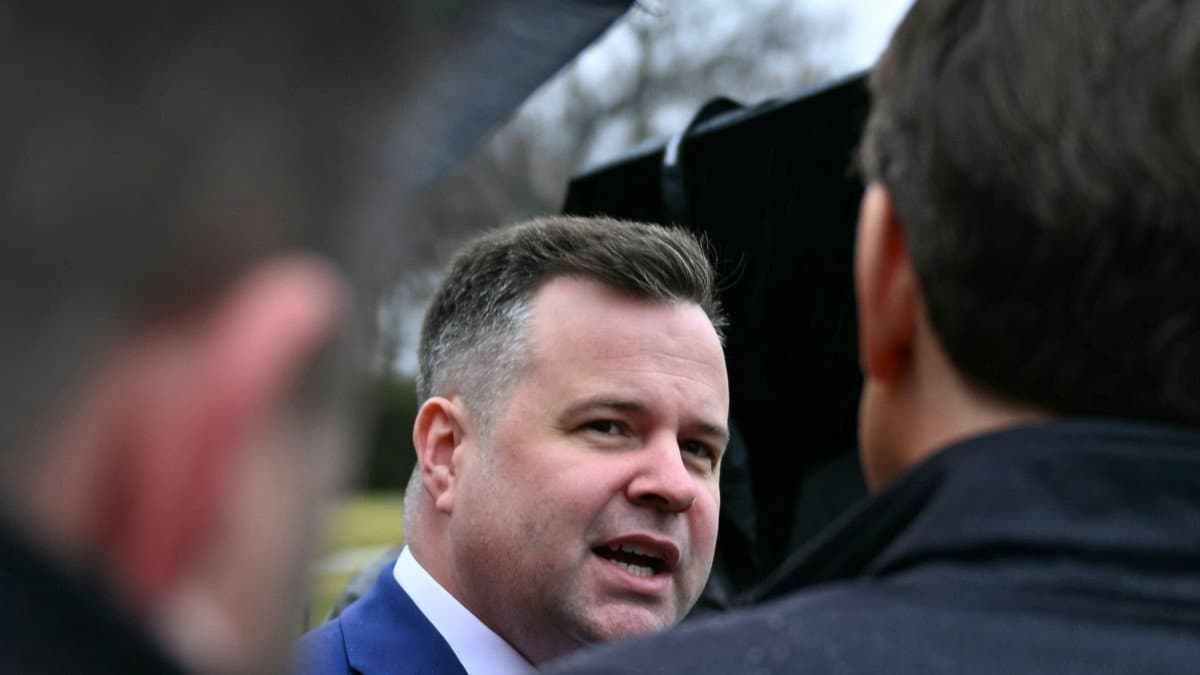

The appointment of Bill Pulte as acting director of the Office of the Director of National Intelligence (ODNI) has sparked significant controversy and, once again, opened two crisis fronts in Congress for President Donald Trump. On the one hand, Democrats are blocking the renewal of a key intelligence law as long as Pulte remains in office, and, on the other hand, several Republican senators seized the moment to call for the agency to be scaled back or eliminated.
The Foreign Intelligence Surveillance Act (FISA), which authorizes programs the federal government considers essential to national security, expires at the end of this week. According to various reports, most Democrats refuse to renew it as long as Pulte, a close political ally of President Trump with no intelligence experience, remains at the helm of the agency.
Some Republicans were confident that Trump would break the deadlock by nominating a permanent director before the expiration. However, when Speaker of the House Mike Johnson met with the president on Tuesday at the White House, Trump made it clear that he does not intend to yield to Democratic pressure, according to three people briefed on the meeting, as reported by POLITICO. Although Johnson told the press that the meeting with Trump went well, the House Majority Leader did not provide details.
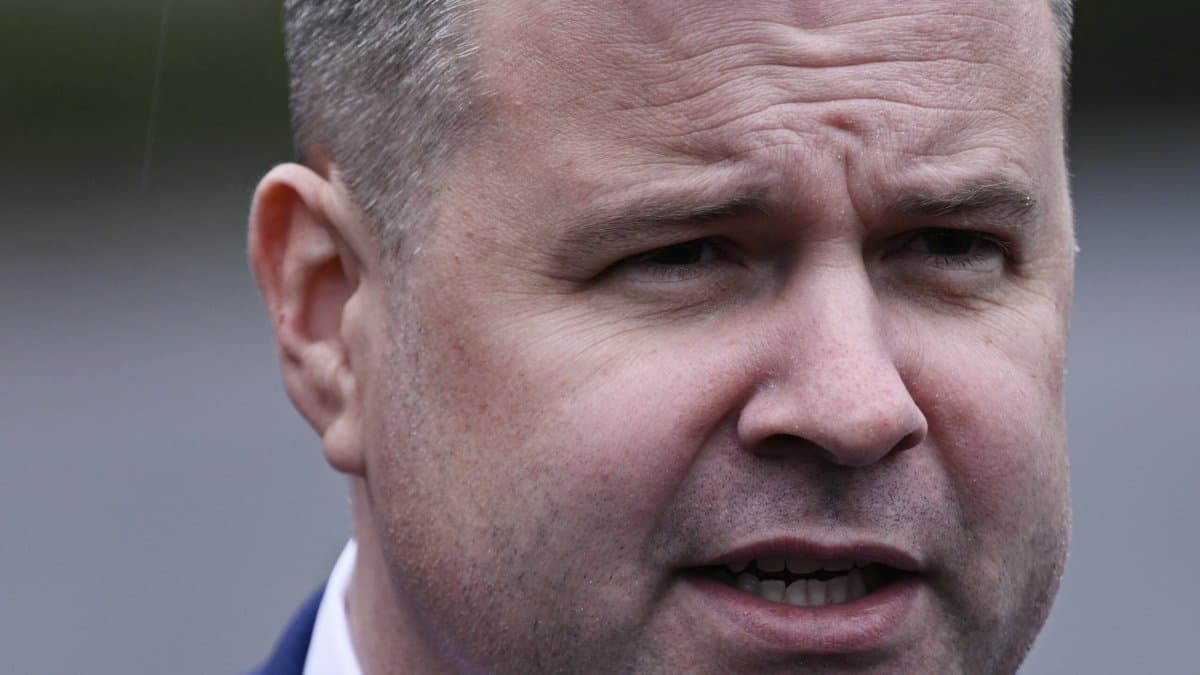
Pulte's nomination also divided the Republican Party itself, with lawmakers now pondering the ODNI's importance and whether it is an unnecessary expenditure of taxpayer money. When asked about the possibility of eliminating the ODNI, Senator John Kennedy, a Republican from Louisiana, offered his opinion: "A lot of people whose judgment I respect tell me that it's unnecessary. And if that's the case, and we don't need it, and it's just holding us back, and we can save money — sure." Senate Majority Leader John Thune also acknowledged that "there is clearly an interest in downsizing and reevaluating the value that ODNI brings." Several Republican lawmakers agreed with these views.
The ODNI was created in the wake of the September 11, 2001, attacks to coordinate more than a dozen intelligence agencies and close the intelligence gaps that preceded the attacks. But its size and usefulness have been questioned since its inception, and the appointment of Pulte, the former director of the Federal Housing Finance Agency, provided new ammunition to those who have been advocating its dismantling for years.
Despite Republicans' doubts, Democrats defend the agency, though they admit to reservations. The vice chairman of the Senate Intelligence Committee, Mark Warner, a Democrat from Virginia, said that questions about its size are legitimate, but cautioned: "Before Congress starts dismantling structures that were created to address failures identified after 9/11, we ought to have a serious, fact-based discussion about what problem we're trying to solve."
Trump had already signaled his position last week in remarks to The Wall Street Journal, where he called the ODNI “unnecessary and/or too big.” With the deadline looming and no agreement in sight, Congress will have to decide in the coming days whether to renew FISA or let it expire.
🛠 Do you think there is an error in this article?
Recommendations


LATEST