FBI arrives in Cuba to investigate Florida speedboat shooting that left five dead
The incident comes amidst rising tensions, with U.S. sanctions and alerts about Cuban espionage in American institutions highlighted by counterintelligence officials.
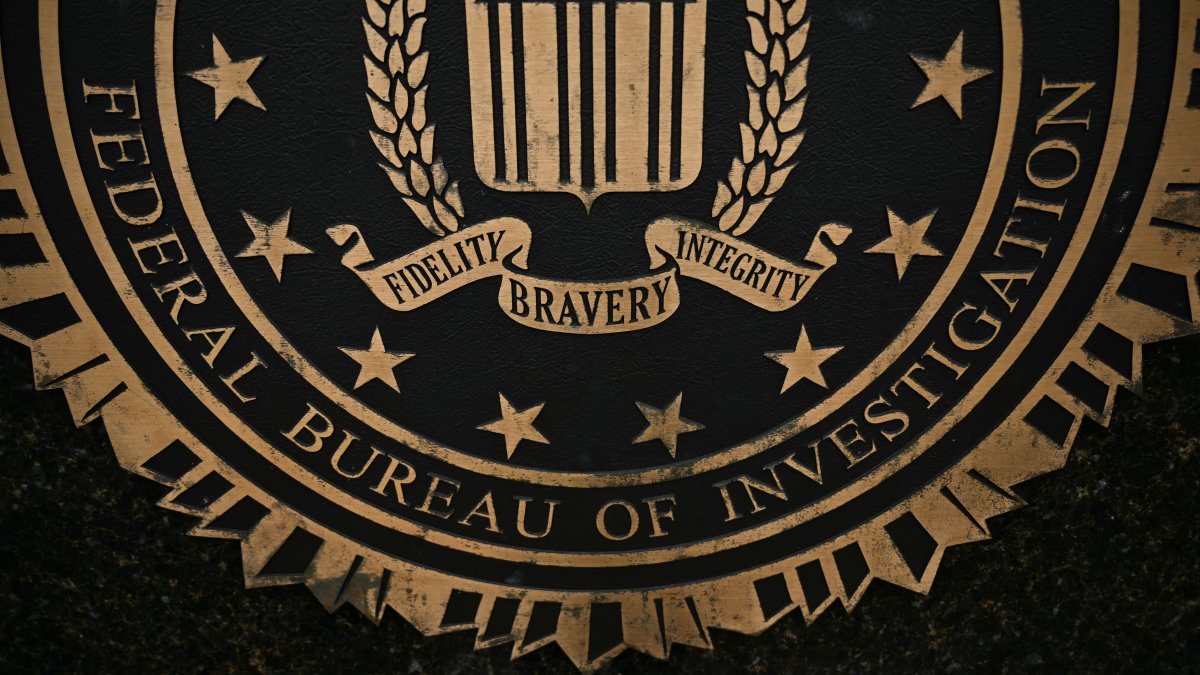
FBI logo on the J. Edgar Hoover building / Brendan Smialowski

A team from the Federal Bureau of Investigation (FBI) arrived at Cuba to investigate the shooting that occurred on Feb. 25 in Cuban waters, which left five dead and six wounded among the occupants of a speedboat coming from Florida. This incident once again highlighted the delicate bilateral relationship and the role of security and justice cooperation between the two countries.
The incident: What happened
According to the Cuban regime's report, the vessel, registration FL7726SH, was carrying 10 people armed with assault rifles, small arms, incendiary devices, bulletproof vests and camouflage uniforms. After the Cuban border guards approached to identify the boat, its occupants allegedly opened fire first, wounding an officer, which triggered a confrontation.
The result was five dead among the crew members, four on the scene and one later, and six arrested, who are facing terrorism charges in Cuba. Among the victims were American citizens, according to U.S. sources, which adds diplomatic complexity to the case. The family that owned the boat claims it was stolen by an employee and used only for fishing, which questions the version of the events of an armed operation organized from U.S. territory.
Politics
Rubio pledges US response after shooting in Cuban waters: what we know about the incident
Diane Hernández
Context of FBI-Cuba cooperation
Although the bilateral relations between the U.S. and Cuba have been marked by historical mistrust, cooperation on security and criminal matters has had precedents. In 2015, during the Barack Obama administration, both countries began sharing information on transnational crimes and drug trafficking. Since then, collaboration on one-off criminal investigations has been limited to cases affecting American security, always under a narrow diplomatic framework.
The FBI team has arrived this time seeking an independent investigation of what happened in Villa Clara, according to a report confirmed by EFE. The intervention reflects a balance between the need for collaboration and the structural distrust that defines bilateral relations today.
Diplomatic impact and regional security
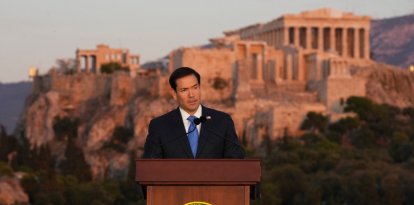
Secretary of State Marco Rubio called the shooting "very unusual" and stressed that the Trump administration was seeking independent verification of the facts. Cuban dictator Miguel Díaz-Canel stated that Havana had already been informed diplomatically and consularly about the incident and was awaiting FBI collaboration.
Analysis: Precedents and risks
The case is reminiscent of previous joint investigations in which the FBI was able to work with Cuban authorities to clear up crimes involving U.S. citizens, including drug trafficking and transnational crimes. However, the FBI's presence in Havana also highlights the island's vulnerability to operations involving armed U.S. citizens, and how a single incident can reopen debates about foreign policy, maritime security and border control.
In addition, the episode raises questions about the responsibility of U.S. citizens and the effectiveness of bilateral cooperation, in a context where the island maintains strict control over its maritime borders but relies on its northern neighbor for the investigation of those involved who return to U.S. territory.
Politics
Marco Rubio wants to "hold the Cuban regime accountable" for the US fugitives it harbors
Diane Hernández
Next steps
The FBI will focus on gathering evidence on the vessel's trajectory, weaponry and crew members, while Florida authorities, led by Attorney General James Uthmeier, investigate the theft of the boat and the involvement of U.S. citizens. The results could have legal and diplomatic implications, especially if the participation of American citizens in armed actions outside their territory is confirmed.
On the other hand, the investigations could also disprove the version maintained by Cuban authorities, and could further widen the current conflict between Havana and Washington.
LATEST