Iran threatens to completely close the Strait of Hormuz after Trump's ultimatum
In recent days, attacks on ships have drastically reduced oil tanker traffic, leading to shortages and rising prices worldwide.
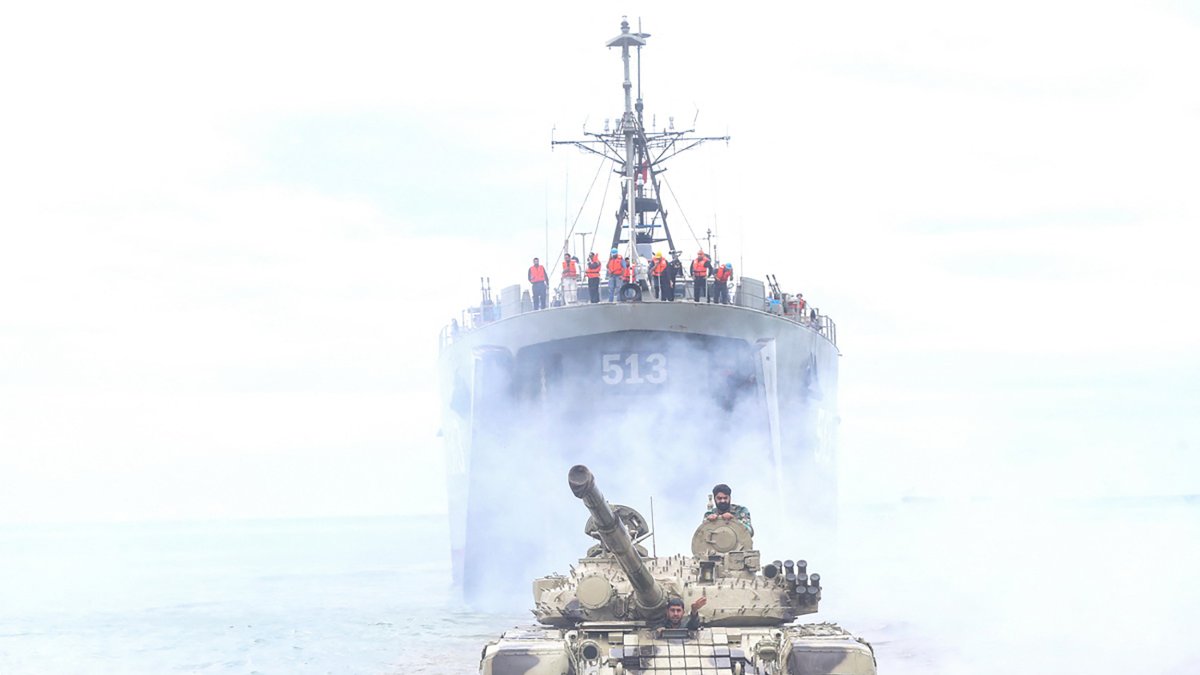
Iranian military exercise in the Gulf of Oman (archive).

The Iranian regime warned that it will "completely" close the Strait of Hormuz if the United States carries out its threat to attack its energy infrastructure, in a new escalation of the conflict in the Middle East.
The warning comes after President Donald Trump issued a direct ultimatum to Tehran: "If Iran doesn't FULLY OPEN, WITHOUT THREAT, the Strait of Hormuz, within 48 HOURS from this exact point in time, the United States of America will hit and obliterate their various POWER PLANTS, STARTING WITH THE BIGGEST ONE FIRST! Thank you for your attention to this matter."

Trump reaffirmed his ultimatum Sunday on Israel's Channel 13 television network, where he warned that Iran's destruction will be "total" in the event that the Strait of Hormuz is not opened without threats.
Tehran, on the other hand, responded that, should this threat be carried out, the maritime passage - key to the world oil trade - would be immediately and totally closed. In addition, the regime warned that critical infrastructures in the region, including energy facilities and desalination plants in Gulf countries, could become military targets.
The Strait of Hormuz is one of the most sensitive points of international trade: approximately 20% of the world's oil passes through it.

Society
State Department issues global alert, calls for caution due to the risks linked to Iran
Sabrina Martin
In recent days, attacks on vessels have drastically reduced oil tanker traffic, causing shortages and price increases worldwide, including in the United States.
In parallel to the threats between Iran and the US, fighting continues on different fronts. Israel maintains military operations while facing attacks from Iranian-backed forces such as Hezbollah. The war, which began at the end of February, has already left thousands dead and generated a strong impact on the global economy.
So far, there are no signs of a de-escalation or ongoing negotiations. Economic analysts warn that a total closure of the Strait could deepen the global energy crisis and increase the risk of a major regional confrontation in an already volatile context.
LATEST